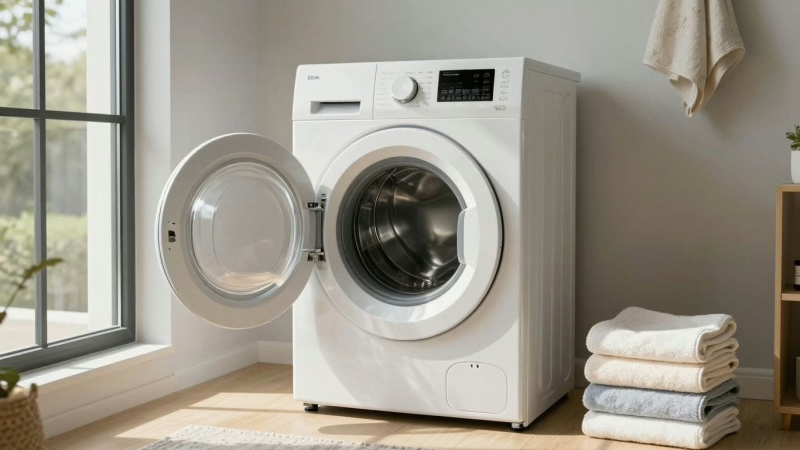
Understanding 'Lave-Linge': Your Guide to the French Washing Machine
So, you're in France and need to do laundry. Maybe you've seen the word 'lave-linge' and wondered what it means. It's just the French word for a washing machine! It might seem a little confusing at first, especially if you're used to different machines back home. They can be a bit different, from how they look to how they work. This guide will help you figure out your French lave-linge, so you can get your clothes clean without too much fuss. We'll cover the basics, some common issues, and where to go if you need to use a public laundromat.
Key Takeaways
-
The term 'lave-linge' simply means washing machine in French.
-
French washing machines, or lave-linge, often have smaller drums and longer cycle times compared to those in other countries.
-
Understanding the control panel on a lave-linge is important, as symbols and labels may differ from what you're used to.
-
When using a public laundromat ('laverie automatique'), payment systems and detergent dispensers can vary.
-
Beyond washing, consider local options for drying, folding, or professional cleaning services if needed.
Navigating The French Lave-Linge
So, you've landed in France and the laundry basket is starting to look a bit… full. Time to face the 'lave-linge', the French washing machine. It might seem a little daunting at first, especially if you're used to machines back home. They can be a bit different, and honestly, sometimes it feels like there are as many types of washing machines as there are cheeses in France! But don't worry, we'll break down the basics so you can get your clothes clean without too much fuss.
Understanding Common Lave-Linge Controls
Forget those simple dials you might be used to. French washing machines often have a panel of buttons and a small screen. It can feel like a puzzle at first, trying to figure out what each button does. Sometimes, pressing different combinations will bring up different wash cycles on the screen. It's a bit of a trial-and-error process, but once you get the hang of it, you'll be a pro.
-
Look for a 'Départ' or 'Marche' button: This is usually your start button. It might be a different color or just stand out.
-
Identify the temperature settings: These are often shown in Celsius (°C). A common setting for everyday clothes is 40°C.
-
Find the spin speed: Sometimes this is a separate button, other times it's part of the cycle selection.
Be prepared for a bit of guesswork. Many machines don't come with clear instructions, so you might have to experiment a little to find the best cycle for your needs. It's not ideal, but it's part of the French laundry adventure!
Decoding Wash Cycle Options
This is where things can get really interesting. French washing machines often have a wider variety of cycles than you might expect, and their names aren't always obvious. You might see cycles for 'Soie' (silk), 'Laine' (wool), 'Synthétiques' (synthetics), or 'Coton' (cotton). There are also often cycles labeled with numbers, like '30' or '40', referring to the temperature.
Here's a quick rundown of some common cycle types:
-
'Rapide' or 'Court': This is your best friend if you're in a hurry. It's a shorter wash, but be aware that it might not spin as fast, leaving clothes a bit damp.
-
'Eco' or 'Économique': These cycles use less water and energy, but they tend to be much longer.
-
'Intensif' or 'Coton': For tougher fabrics and dirtier loads, these cycles are usually longer and use more water.
Essential Lave-Linge Vocabulary
Knowing a few key French words will make operating the machine much easier. Don't worry if your French isn't perfect; pointing and using these terms can go a long way.
French Term | English Translation |
|---|---|
La lessive | Laundry |
Le linge | Linen/Clothes |
Faire la lessive | To do the laundry |
Une machine à laver | A washing machine |
Un tambour | The drum (where clothes go) |
Un programme | A program/cycle |
La température | The temperature |
Le départ | Start |
L'arrêt | Stop |
La vidange | Drain |
L'essorage | Spin cycle |
Operating Your Lave-Linge Effectively
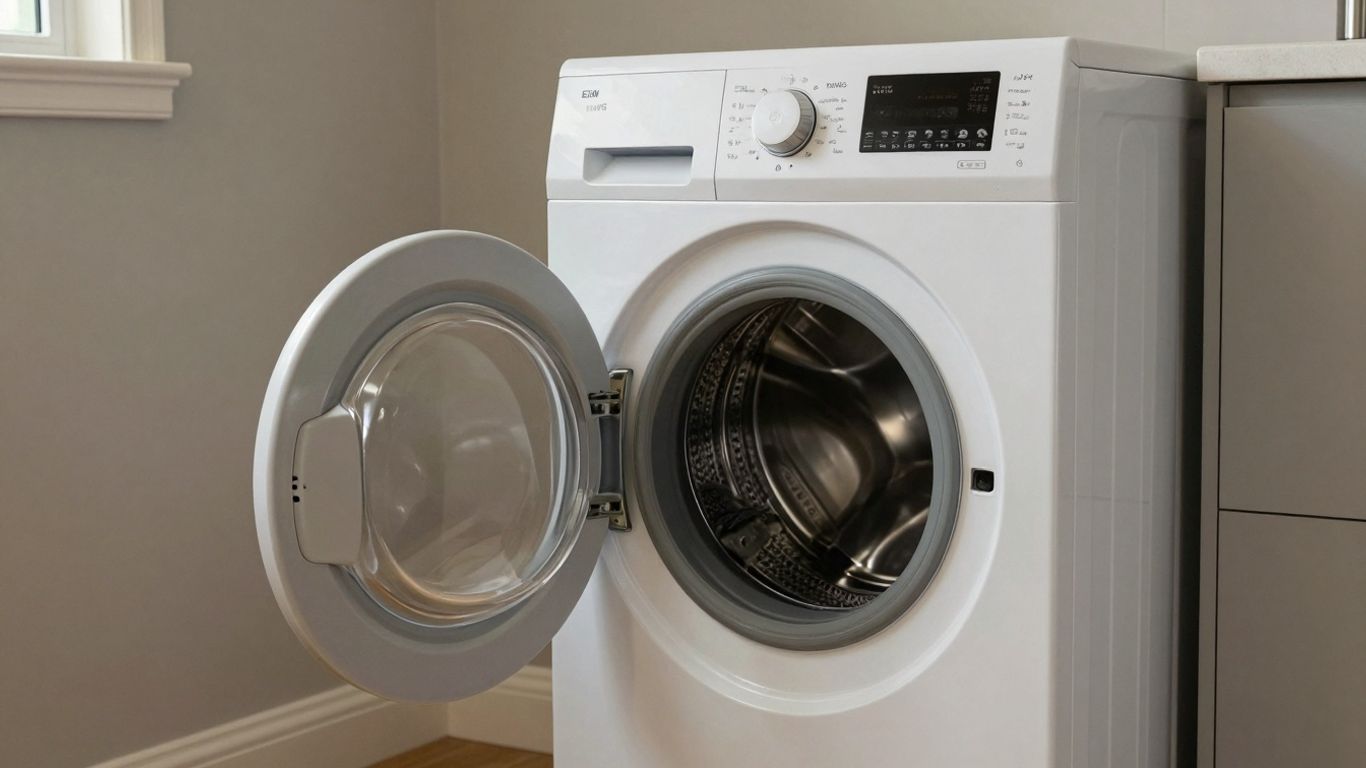
So, you've got your French washing machine, or 'lave-linge' as they call it. Now what? Figuring out how to actually use the thing can feel like a puzzle, especially since they don't always come with a handy English manual. But don't worry, it's totally doable. The key is to pay attention to the symbols and take your time.
Loading Your Lave-Linge Correctly
First things first, always check those pockets! You'd be surprised what can end up in there. Then, sort your clothes. It's a good idea to separate them by color – whites, lights, and darks – and also by fabric type. This helps prevent colors from bleeding and ensures different materials get the right treatment. Don't stuff the machine too full; clothes need room to move around to get properly clean. Overloading can also strain the machine.
-
Check all pockets for coins, tissues, or anything else.
-
Separate laundry by color: whites, lights, darks.
-
Separate by fabric type: delicates, towels, regular cottons.
-
Avoid filling the drum more than two-thirds full.
Selecting The Right Temperature Settings
Temperature is usually indicated by a number followed by '°C' (Celsius). Here's a quick guide:
Temperature | Use For |
|---|---|
30°C | Delicates, lightly soiled items, dark colors |
40°C | Most everyday laundry, colors, synthetics |
60°C | Whites, bedding, towels, heavily soiled items |
90°C | Very heavily soiled whites, sanitizing |
Remember, using lower temperatures saves energy and is often gentler on your clothes. For most regular loads, 40°C is a good starting point. If you're unsure, check the care label on your garments. You can find more general tips on how to effectively use a washing machine here.
Adding Detergent And Softener
Most French washing machines have a detergent drawer with compartments. Usually, there are three: one for pre-wash detergent, one for the main wash detergent, and a smaller one for fabric softener (assouplissant). The main wash compartment is typically the largest. If you're using a liquid detergent, make sure it goes in the correct spot. Too much detergent can actually be counterproductive, leaving residue on your clothes. It's better to use the recommended amount, or even a little less, especially if you have soft water.
French washing machines can sometimes take a surprisingly long time to complete a cycle. It's not uncommon for a wash to last two hours or more. So, plan your laundry time accordingly and don't expect a quick turnaround like you might be used to elsewhere. This often means clothes need to be hung to dry, as dryers aren't always standard.
Common Challenges With French Washing Machines
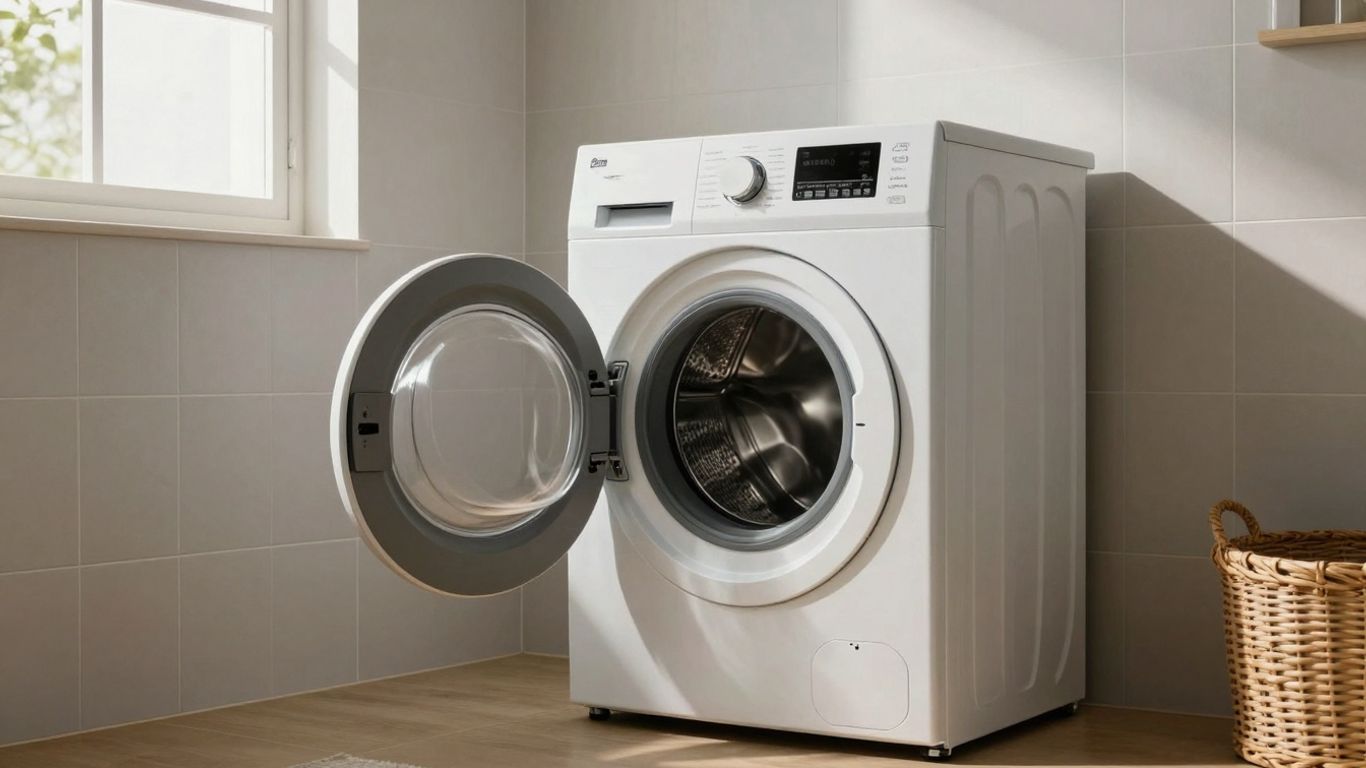
So, you've got your laundry sorted, but using a French washing machine, or 'lave-linge' as they call it, can sometimes feel like a puzzle. Don't worry, it's a common experience for many visitors and even some locals!
Smaller Drum Sizes
One of the first things you might notice is that the drum capacity is often smaller than what you might be used to back home. This means you can't just stuff everything in. Overloading a smaller drum can lead to clothes not getting properly clean and can even strain the machine. It's best to do smaller loads more frequently.
Here's a quick comparison:
Feature | Typical US Machine | Typical French Machine |
|---|---|---|
Drum Capacity | 8-12 kg | 5-7 kg |
Load Size | Larger | Smaller |
Extended Cycle Times
Get ready to settle in, because French wash cycles can take a while. What might be a 30-minute quick wash elsewhere could easily stretch to an hour or more here. Some standard cycles can even run for two to three hours! This isn't necessarily a bad thing; it often means a gentler wash for your clothes, but it does require some planning.
-
Plan Ahead: Always check the estimated cycle time before you start, especially if you have plans for the day.
-
Shorter Cycles: Look for cycles labeled 'Rapide' or 'Court' if you're in a hurry, but be aware these might not be suitable for heavily soiled items.
-
Patience is Key: Embrace the slower pace; it's part of the French way!
French washing machines often prioritize a thorough, gentle clean over speed. This can be surprising if you're used to faster cycles, but it generally results in better care for your garments over time. Just make sure you have enough time set aside for laundry day.
Variations In Machine Models
Unlike in some countries where washing machines are fairly standardized, French models can vary quite a bit. You might encounter machines with simple dials, others with complex button panels, and some with a mix of both. The symbols and cycle names might not always be immediately obvious, and instruction manuals are often missing, especially in rental properties. Don't be afraid to ask a neighbor or your landlord for a quick demonstration if you're unsure. A little help can save you a lot of guesswork!
Finding A Place To Wash Clothes
Identifying A Laundromat
So, your apartment's washing machine is a bit of a mystery, or maybe you don't have one at all. Don't sweat it! Finding a place to get your laundry done in France is usually pretty straightforward. Look for signs that say "Laverie Libre-Service" or "Laverie Automatique." These are your go-to spots for self-service washing. You can often find them tucked away on side streets, sometimes near grocery stores or other shops. Don't be shy about asking locals for directions if you're having trouble locating one; most people are happy to point you in the right direction.
Purchasing Laundry Supplies
Once you've found your laundromat, you'll need detergent and maybe some fabric softener. You can usually buy these right at the laundromat itself. Many machines have a dispenser where you can purchase a single-use packet or even have the machine add it for you. If not, a quick trip to a nearby "Supérette" (small grocery store) or a larger supermarket like Carrefour will sort you out. Look for "lessive" for detergent and "assouplissant" for softener. A standard load usually just needs one dose.
Understanding Laundromat Payment Systems
This is where things can get a little different from what you might be used to. While some older laundromats might still take coins, many modern ones operate on a card system or have a central payment terminal. You'll typically select your machine number on a control panel, choose your cycle, and then pay at a designated spot. This might involve inserting a credit card or using a specific laundromat card you can load with funds. Always check the instructions on the machine or the central panel carefully before you start. It's a good idea to have a mix of coins and a credit card handy, just in case.
Be prepared for French washing machines to take a bit longer than you might expect. It's not uncommon for a cycle to run for two hours or more. So, grab a book, catch up on some emails, or just enjoy a coffee nearby while your clothes get clean. It's all part of the French experience!
Beyond The Wash Cycle
So, you've wrestled with the controls, deciphered the cycles, and successfully run your wash. What's next? In France, the journey from dirty clothes to clean, wearable garments often involves a few extra steps, especially when it comes to drying and finishing.
Drying Your Clothes in France
Forget the tumble dryer you might be used to. While some modern apartments and houses do have them, they're not as common as you might think. Many French homes rely on more traditional methods. You'll often see clothes drying on racks inside, or, weather permitting, strung up on lines outside balconies or in gardens. This air-drying approach is eco-friendly and gentle on fabrics, but it does mean you need to plan your laundry around the weather and have a bit more patience. Some machines might have a 'sèche-linge' function, which is essentially a very low-heat drying cycle, but it's not a full dryer.
-
Indoor Drying Racks: These foldable racks are a lifesaver for drying clothes indoors. They come in various sizes and can be tucked away when not in use.
-
Outdoor Lines: If you have access to a balcony or garden, you might find retractable clotheslines or hooks for hanging laundry.
-
Machine Drying (Limited): Some washing machines have a drying function, but it's usually a slow, low-heat process, not a quick tumble dry.
A note on microfibers: France has mandated that all new washing machines sold in the country must be equipped with a microfibre filter by January 2025. This measure aims to combat synthetic microplastic pollution originating from laundry. Keep an eye out for this feature in newer models.
Folding and Ironing Services
If you're short on time or just don't enjoy the chore, you might be surprised to learn that professional folding and ironing services are quite common in France. You can drop off your clean, dry laundry, and they'll return it neatly folded or perfectly pressed. It's a bit of a luxury, but it can be a real time-saver, especially if you're on a tight schedule or preparing for a special occasion. It's a service that really appeals to the busy professional or the traveler who wants to look sharp without the hassle.
When to Use a Dry Cleaner
For items that require special care – think delicate fabrics, formal wear, or anything with stubborn stains – a 'pressing' or 'nettoyage à sec' (dry cleaner) is your best bet. These establishments are equipped to handle garments that can't be washed in a standard machine or with regular detergent. They use specialized solvents to clean clothes while preserving their shape and color. It's always a good idea to check the care labels on your garments, and if they indicate 'dry clean only,' then a trip to the 'pressing' is necessary. You can usually find a local dry cleaner just a short walk from most residential areas, often indicated by a sign with a hanger or a stylized 'P'. Find a local dry cleaner if you need professional garment care.
Wrapping Up Your French Laundry Adventure
So, there you have it. Using a 'lave-linge' in France might seem a bit different at first, especially if you're used to machines back home. They can be smaller, take longer, and the controls can be a puzzle. But with a little patience and maybe a quick peek at the instructions, you'll get the hang of it. Don't let it stress you out too much; it's just part of the experience of being in France. Soon enough, you'll be a pro at selecting the right cycle and getting your clothes clean, maybe even faster than you think.
Frequently Asked Questions
What does 'lave-linge' mean?
'Lave-linge' is the French word for a washing machine. It literally translates to 'wash-linen', which makes sense when you think about what it does!
Are French washing machines different from American ones?
Yes, they can be quite different! Many French washing machines have smaller drums, meaning you can't wash as much at once. Also, the wash cycles often take much longer than you might be used to.
How do I pick the right wash cycle?
This can be tricky because the controls aren't always clearly labeled. Look for cycles that mention 'couleurs' (colors) for regular loads, or 'délicat' (delicate) for gentler fabrics. Sometimes, you'll need to experiment a bit to find the best one for your clothes.
Where can I find detergent in France?
You can usually buy laundry detergent ('lessive') and fabric softener ('assouplissant') at grocery stores (like Carrefour Express) or sometimes even at the laundromat itself. Some laundromats have machines where you can buy it.
What if my clothes come out too wet?
This often happens if the machine didn't spin fast enough. Some machines have a separate 'essorage' (spin) setting you can adjust. If not, you might need to select a different cycle or run an extra spin cycle if available.
Are there dryers in France?
Automatic dryers ('sèche-linge') are not as common in French homes or apartments as they are in the US. You'll often find a foldable drying rack instead. If you need to dry clothes quickly, you might need to use a laundromat that has dryers, or plan to air dry them.