Google Pixel 9 Pro: Everything We Know So Far About Google's Next Flagship
Okay, so the next big thing from Google, the google pixel 9 pro, is on the horizon. It feels like we just got the last one, but here we are, already talking about what's next. Based on what's been floating around, it looks like Google is sticking to its usual schedule, which is good news if you like predictability. We're hearing about some design tweaks, a new chip, and of course, more AI smarts. Let's break down what we think we know so far.
Key Takeaways
- The google pixel 9 pro is expected to launch around August 13, 2024, keeping Google's typical fall release pattern, though actual availability might be later.
- Design-wise, expect a shift with flat edges and a matte finish, plus a new oval-shaped camera island instead of the full bar, possibly in different sizes.
- Under the hood, the new Tensor G4 chip is anticipated, aiming for better AI performance, possibly with RAM and display improvements.
- Camera features might see an upgrade, potentially including a triple-lens system across more models and maybe even variable aperture technology.
- Software will run on Android 15 and heavily feature Gemini AI integration, with Google likely continuing its commitment to long-term software support.
Google Pixel 9 Pro Release Date And Pricing
Anticipated Launch Window
Google has a pretty solid track record when it comes to launching new Pixel phones, and it looks like the Pixel 9 Pro will follow suit. While past models have typically landed in October, Google has officially sent out invites for a hardware event on August 13th. This earlier date could be a strategic move to get their devices out before Apple announces its next iPhone lineup. So, mark your calendars for mid-August – that's when we expect to get our first official look at the Pixel 9 Pro. However, it's worth noting that an announcement date doesn't always mean immediate availability. Sometimes, phones are revealed at an event but don't hit store shelves for a few more weeks.
Potential Price Point
When it comes to pricing, Google has been a bit unpredictable lately. The Pixel 8 Pro saw a $100 price increase last year, bringing it to $999. Given this recent jump, it's a reasonable guess that Google might stick around that $999 mark for the Pixel 9 Pro. They seem to be pushing the 'Pro' line further into the premium phone space. Unless they're planning a serious challenge to the top-tier offerings from Apple and Samsung, another price hike so soon might be unlikely. We'll have to wait and see if they decide to keep it steady or push it even higher.
The Pixel 9 series is shaping up to be a busy launch for Google, with rumors pointing to potentially four different models: the standard Pixel 9, a smaller Pixel 9 Pro, a larger Pixel 9 Pro XL, and the foldable Pixel 9 Pro Fold. This mirrors strategies seen from other major manufacturers, offering consumers more choices within the flagship lineup.
Design Evolution Of The Google Pixel 9 Pro
Alright, let's talk about how the Pixel 9 Pro is shaping up visually. Google's been pretty open about this one, and it seems they've really put some thought into making it look and feel different, but still like a Pixel.
Updated Camera Bar Design
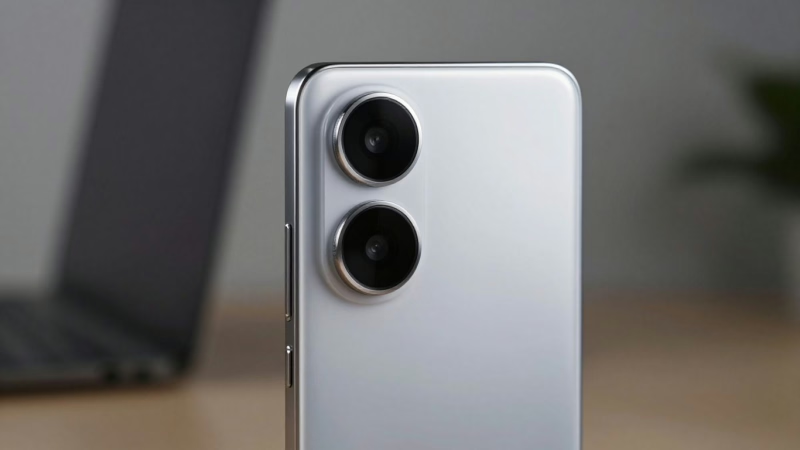
Remember that horizontal camera bar that's been a Pixel staple since the Pixel 6? Well, it's getting a makeover. Instead of stretching all the way across, it's now more of a distinct island, kind of like a pill shape. Google says this is inspired by their own search bar design, which is a neat little nod. It sticks out a bit, and they've gone with a dual finish: a matte, bead-blasted top and shiny, polished sides. It really makes the camera setup the star of the show, which makes sense given how much they push their camera tech.
Flat Edges And Matte Finish
This is a pretty big shift. The Pixel 9 Pro is ditching those curved edges we saw on the Pixel 8 Pro. It's going for a flatter, more industrial look with straight sides. The back is also getting a matte coating, which should feel a bit softer and less slippery than the glossier finishes of previous models. The frame, on the other hand, looks like it'll be polished metal, giving it a nice contrast. It sounds like they're aiming for a more premium, almost jewelry-like feel.
Multiple Model Sizes
This is interesting – Google is apparently planning to offer the Pixel 9 Pro in two different sizes. There's the standard 6.3-inch Pixel 9 Pro, which packs all the "Pro" features into a more compact body. Then there's the larger 6.8-inch Pixel 9 Pro XL, which gives you that bigger screen experience. The cool part is that they've managed to do this without sacrificing features, especially the camera system, by rethinking the internal layout to be more space-efficient. So, you get the same "Pro" experience, just in a size that fits you better.
The design team seems really focused on balancing that recognizable Pixel look with something fresh and modern. They're talking a lot about making the phone feel approachable and intuitive, even with all the new tech packed inside. It's not just about changing things for the sake of it; there's a clear purpose behind these design choices, aiming for a connection that feels both physical and emotional.
Internal Hardware And Performance
The Tensor G4 Chipset
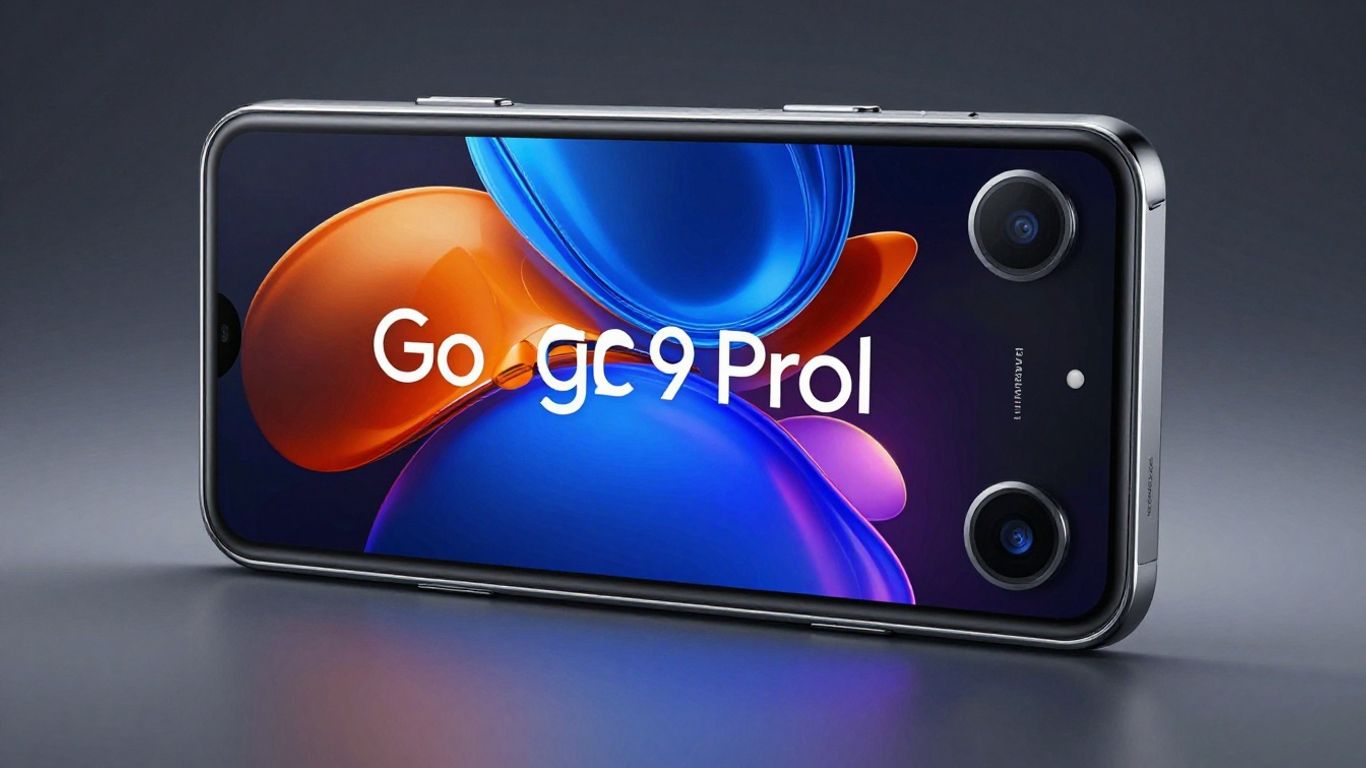
Google's custom silicon, the Tensor G4, is expected to be the brain behind the Pixel 9 Pro. While specific benchmarks aren't out yet, each new Tensor chip aims to push AI and machine learning tasks forward. This means things like real-time translation, advanced photo processing, and smarter voice commands should get even better. It's not always about raw speed compared to the competition, but more about how intelligently the chip handles specific tasks that Pixels are known for.
RAM And Display Enhancements
Expect the Pixel 9 Pro to come with a solid amount of RAM, likely keeping pace with other flagships. More RAM means smoother multitasking, letting you jump between apps without them needing to reload. The display is also rumored to see some improvements. We're hearing talk of it being brighter, which is always a good thing for outdoor visibility, and potentially offering better color accuracy. This makes everything from browsing photos to watching videos a more pleasant experience.
- More RAM: For better app switching and smoother operation.
- Brighter Display: Improved visibility, especially in sunlight.
- Color Accuracy: Photos and videos will look more true to life.
The focus with the Tensor G4 and other internal upgrades seems to be on making the Pixel 9 Pro smarter and more responsive, rather than just a speed demon. It's about how these components work together to make your daily phone use easier and more capable, especially with Google's AI features.
Camera Capabilities And Features
When it comes to Pixel phones, the cameras are usually a big deal, and the Pixel 9 Pro looks to continue that trend. We're expecting some solid upgrades here, building on what Google has already done so well.
Triple Camera System
Leaks suggest the Pixel 9 Pro will stick with a triple-camera setup on the back. This typically means a main sensor, an ultrawide lens, and a telephoto lens. While the exact megapixel counts might be similar to last year's model – possibly around 50MP for the main and 48MP for the ultrawide and telephoto – the real magic often happens with Google's processing. Expect these lenses to work together to capture detailed shots in various conditions.
Potential For Variable Aperture
One interesting rumor floating around is the possibility of a variable aperture on the main camera. This is a feature you don't see on many phones, and it would allow the camera to adjust the amount of light entering the lens, much like a human eye. This could lead to better control over depth of field and improved performance in tricky lighting situations. It's not confirmed, but it would be a neat addition.
AI-Powered Photography
This is where Google really shines. The Pixel phones have always been known for their AI smarts, and the Pixel 9 Pro should be no different. We're anticipating further advancements in features like Night Sight, which already takes impressive low-light photos. Google's AI is also expected to play a big role in things like portrait mode, object removal, and general image processing. The combination of capable hardware and smart software is what makes Pixel cameras stand out.
Google is reportedly working on an AI assistant called Pixie, which could handle complex tasks and offer personalized suggestions. This kind of AI integration is likely to extend to the camera, making it even easier to get the perfect shot without fiddling with settings. It's a glimpse into how AI is changing how we interact with our phones and capture memories.
We're also hoping for continued improvements in video stabilization and overall video quality. Google has been steadily improving its video game, and the Pixel 9 Pro could be another step forward. For those interested in the latest camera tech, keeping an eye on Pixel camera updates is a good idea.
Software And AI Integration
This year, the Pixel 9 Pro is expected to come with Android 15 right out of the box. This means you'll get all the latest features and security updates that Google rolls out for its mobile operating system. Think new privacy controls, better notification management, and maybe even some cool lock screen widget options, which have been talked about.
But the real star here is likely to be Google's AI. We're hearing whispers about a new AI assistant, possibly called 'Pixie.' The idea is that this assistant would be way more personal than the current Google Assistant. Imagine taking a picture of something you want to buy and the AI instantly tells you where to find it nearby. It sounds pretty handy, though, like a lot of AI stuff, it's a bit wild to think about.
Here's what we're expecting on the software and AI front:
- Android 15 On Board: Expect the latest version of Google's mobile OS, bringing new features and security improvements.
- Gemini AI Integration: Google's advanced AI will likely be woven into the phone's functions, offering smarter assistance.
- Extended Software Support: Google usually provides several years of updates for its Pixel phones, and the Pixel 9 Pro should be no different.
There's also been some chatter about how Google rolls out its AI features globally. Some users have pointed out that it can take a while for new AI tools, like Gemini, to reach regions outside the US. For example, the UK and EU got Gemini on Android several months after it first appeared in the States. So, while the Pixel 9 Pro will be packed with AI, it's worth keeping an eye on when and where those features become fully available.
The focus on AI is clear, with Google aiming to make the Pixel 9 Pro not just a phone, but a truly intelligent companion that can handle complex tasks and offer personalized help. This push towards more advanced AI capabilities is what really sets the Pixel line apart.
Google Pixel 9 Pro: A Competitive Offering
So, how does the Pixel 9 Pro stack up against the competition? Google seems to be aiming for a refined, premium feel with this iteration, and it's not just about looks. They're really leaning into what makes Pixels unique, especially with their AI smarts.
Comparison To iPhone Aesthetics
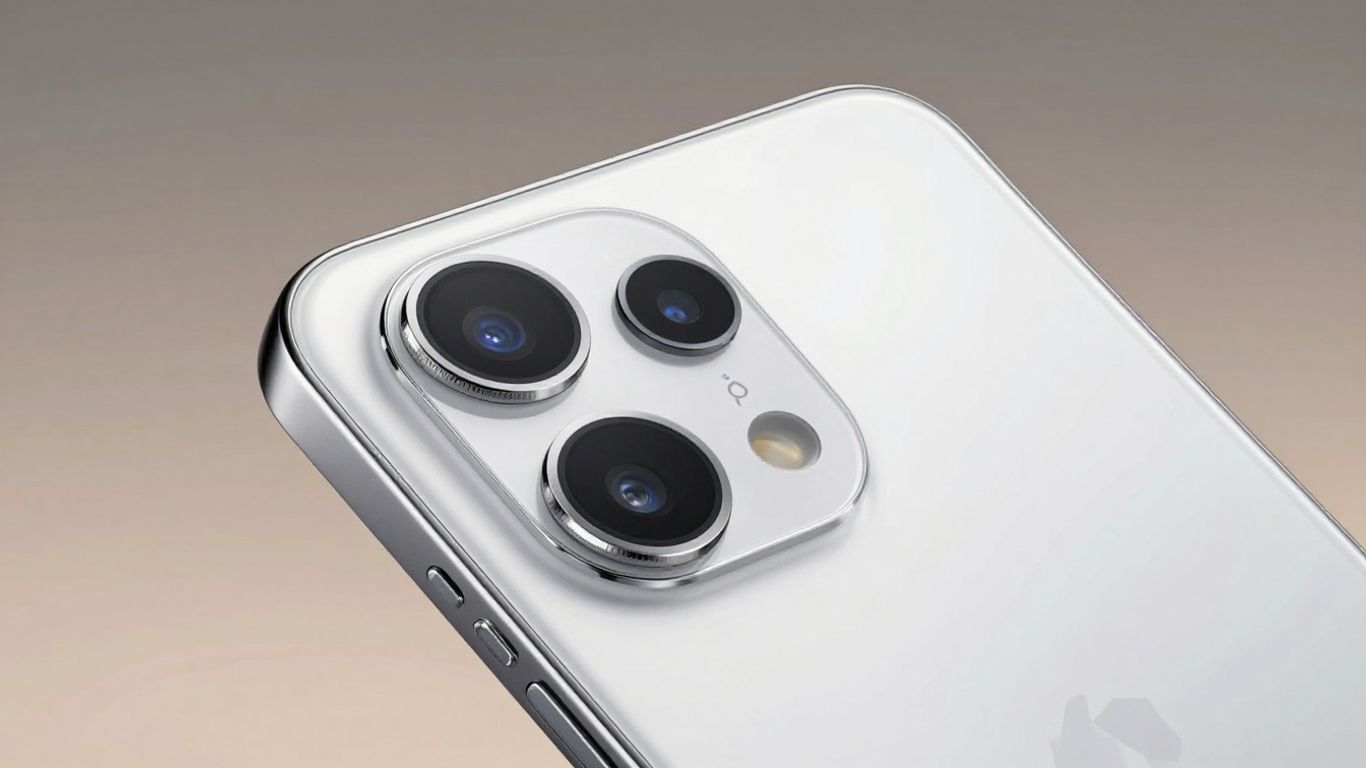
While Google has always had its own distinct design language, the Pixel 9 Pro appears to be taking some subtle cues from the broader smartphone market, including what Apple does. You'll notice flatter edges, a departure from the more rounded feel of some previous Pixels. This gives it a more modern, almost industrial look that some might find reminiscent of the iPhone's design philosophy. It’s not a copy, mind you, but more of an evolution towards a universally appealing, clean aesthetic. The matte finish on the back, combined with polished metal sides, creates a sophisticated contrast that feels good in the hand and looks sharp.
Focus On AI Features
The real battleground for the Pixel 9 Pro, however, is its software and AI capabilities. Google is doubling down on Gemini, integrating it deeper into the phone's experience. This means more intelligent assistance, better photo editing, and smarter ways to interact with your device. Think of it as having a really helpful assistant built right in, ready to tackle tasks from summarizing articles to helping you draft emails. This focus on AI is what Google hopes will set it apart from rivals who might be competing more on raw hardware specs.
Satellite Messaging Capabilities
Another area where Google is looking to compete is with advanced connectivity features. While not entirely new to the smartphone world, the Pixel 9 Pro is expected to bring satellite messaging to the table. This is a big deal for anyone who ventures off the beaten path or finds themselves in areas with no cell service. It offers a crucial safety net, allowing you to send emergency messages when you're truly out of reach. It's a feature that adds a layer of security and peace of mind, especially for adventurers and those who work in remote locations.
The Pixel 9 Pro is shaping up to be a device that blends a more mature, refined design with Google's signature AI prowess. It's not just about looking good; it's about working smarter and offering features that genuinely add value to the user's daily life and safety.
So, What's Next for the Pixel 9 Pro?
Alright, so we've talked a lot about what might be coming with the Google Pixel 9 Pro. It looks like Google is sticking with its usual October release schedule, which is pretty predictable, honestly. We're hearing about a potential new design, maybe even two sizes for the Pro model, and of course, more AI stuff is pretty much a given. The camera bar is changing, which is interesting, and the SIM tray is moving. It's a lot to take in, and while we don't know everything for sure yet, it seems like Google is aiming to keep the Pixel line fresh and competitive. We'll have to wait and see exactly what they bring to the table when it officially drops.
Frequently Asked Questions
When will the Google Pixel 9 Pro come out and how much will it cost?
Google usually drops its new phones in October, and the Pixel 9 Pro is expected to follow this pattern, likely launching in October 2024. As for the price, it's expected to be around $999, similar to the previous year's model. Google might keep the price the same to stay competitive.
What will the Google Pixel 9 Pro look like?
The Pixel 9 Pro is getting a bit of a makeover! It will have flat sides with a smooth, matte finish, which is different from the shinier backs of older Pixels. The camera bump on the back is also changing from a full bar to a more oval shape. There might even be different sizes available, like a smaller and a larger Pro model.
What's new inside the Pixel 9 Pro?
Get ready for the new Tensor G4 chip, which is Google's own processor. While it might not be a huge leap in power, it's designed to be great for AI tasks. You can also expect more RAM and a brighter screen, making everything look and run smoother.
How good will the cameras be on the Pixel 9 Pro?
The Pixel 9 Pro will likely have a triple camera system, just like its predecessor. Rumor has it that even the smaller Pro model might get this advanced setup, which includes a zoom lens. Google is also known for its smart software, so expect even better AI features to help you take amazing photos, especially in low light.
What software will the Pixel 9 Pro run?
The Pixel 9 Pro will come with the latest Android 15 right out of the box. It will also feature more advanced Gemini AI capabilities built right in, making your phone smarter and more helpful. Plus, Google usually provides long-term software updates, so your phone should stay up-to-date for many years.
Will the Pixel 9 Pro have any special new features?
One exciting possibility is satellite messaging, which would let you send messages even when you don't have cell service, similar to emergency features on other phones. Google is also really pushing its AI, so expect Gemini AI to do even more cool things on your phone.