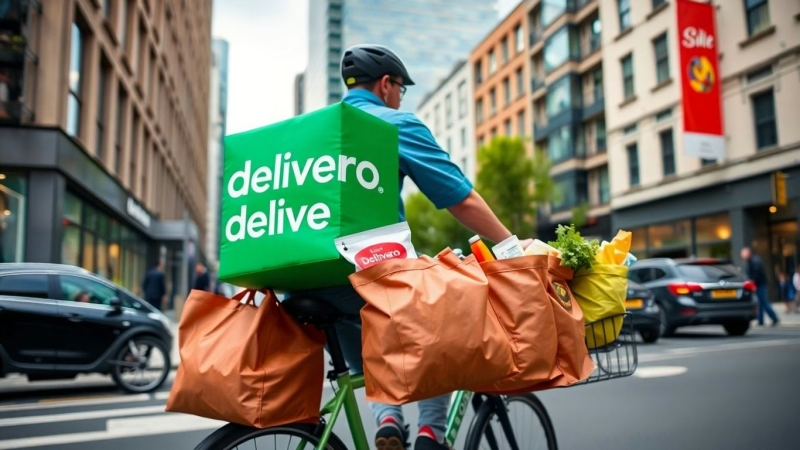
Deliveroo's 2025 Expansion: What's New for Food and Grocery Delivery
So, Deliveroo is making some big moves in 2025, and it's not just about pizza anymore. It seems like they're really trying to shake things up in the food and grocery delivery world. There's a lot going on, from potential big company buyouts to them branching out into totally new areas. Let's take a look at what's new and what it all means.
Key Takeaways
-
Deliveroo is expanding its reach, partnering with many restaurants and stores across hundreds of cities in 14 countries.
-
A major shift is happening as DoorDash plans to buy Deliveroo, aiming to boost its presence in Europe, with the deal expected to wrap up by the end of 2025.
-
Deliveroo is diversifying its business beyond just food, pushing into grocery and retail markets to find new ways to make money.
-
While order numbers are up, Deliveroo is seeing fewer active customers, and economic pressures are affecting how much people spend.
-
The company is exploring new revenue sources like subscriptions and using technology like AI to improve how deliveries work.
Deliveroo's Expanding Global Footprint
Deliveroo has really grown since it first started. It's not just a UK thing anymore; they're all over the place now. The company has become a major player in getting food and groceries to people's doors across many countries. It's pretty impressive how they've managed to build this out.
Worldwide Restaurant And Retailer Partnerships
It seems like Deliveroo has teamed up with a huge number of places to get you your food and other stuff. We're talking over 182,000 partners globally. This includes everything from your favorite local pizza joint to big supermarket chains. They've really focused on signing up a wide variety of businesses, which is probably why people keep coming back.
Service In Hundreds Of Cities
So, where can you actually get Deliveroo? Well, they're operating in more than 800 cities. That's a lot of ground to cover! This wide reach means that whether you're in a major capital or a smaller city, there's a good chance Deliveroo is available. It makes getting a meal delivered pretty convenient for a lot of people.
Customer Base Across Fourteen Countries
Deliveroo isn't just in a few spots; they've got customers in 14 different countries. While Europe is a big focus, they've also made a name for themselves in places like Asia-Pacific and the Middle East. This international presence is a big deal, especially with the news about DoorDash looking to acquire them. It shows they've built something substantial that other big companies want a piece of. The potential acquisition by DoorDash, which is expected to close in late 2025, is a major development for Deliveroo's European expansion plans.
Building such a wide network takes time and a lot of effort. It's not just about having the app; it's about making sure the logistics work and that people trust the service. Deliveroo seems to have figured out a lot of that.
Here's a quick look at their reach:
-
Restaurant & Retailer Partners: Over 182,000
-
Cities Served: More than 800
-
Countries with Customers: 14
Strategic Acquisition By DoorDash
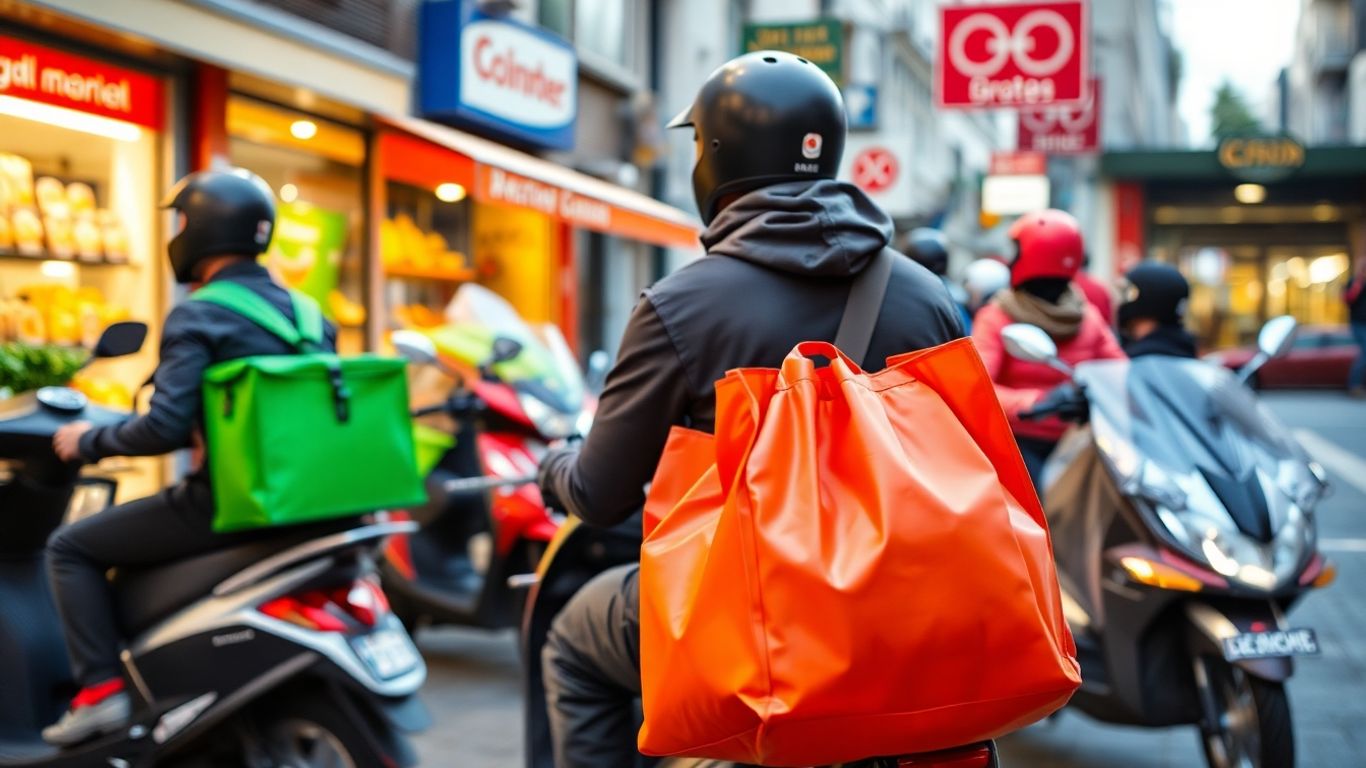
Big news hit the food delivery world in May 2025 when DoorDash, the big player from the US, announced they're buying Deliveroo. This isn't just a small deal; it's a massive move that could really shake things up, especially over in Europe.
DoorDash's European Expansion Plans
DoorDash has been looking to grow its presence outside North America for a while now, and this acquisition is their ticket to doing just that. By bringing Deliveroo into the fold, DoorDash gets immediate access to Deliveroo's established network and customer base across numerous European cities. Think of it as a shortcut to becoming a major force on the continent, going head-to-head with other big names like Uber Eats and Just Eat.
Consolidation In The Delivery Sector
This whole deal is a pretty clear sign that the food delivery business is consolidating. It seems like the days of tons of smaller companies all fighting for the same customers might be winding down. Larger companies are buying up competitors to get bigger, more efficient, and frankly, to make it harder for new players to even get a foot in the door. It's all about scale and market share now.
Deal Expected To Close In Late 2025
So, when does this all become official? The plan is for the acquisition to wrap up by the end of 2025. Of course, there are still a few hoops to jump through, like getting approval from shareholders and regulators. But if all goes according to plan, Deliveroo will officially be part of the DoorDash family.
This acquisition is more than just a change of ownership; it represents a significant shift in the global food delivery landscape. The combined might of DoorDash and Deliveroo is poised to redefine convenience and choice for millions of consumers worldwide, while also presenting new challenges and opportunities for restaurants and delivery personnel alike.
Deliveroo's Diversification Strategy
Broadening Services Beyond Food
Deliveroo isn't just about your Friday night pizza anymore. The company is really pushing to offer more than just restaurant meals. They've noticed that relying solely on food delivery might not be enough, especially with how things are going economically. So, they're looking at other areas to bring in money.
Expansion Into Grocery And Retail Markets
This is where things get interesting. Deliveroo is actively signing up new partners for grocery and general retail items. Think about picking up everyday essentials or even some non-food treats. They've recently added brands like Ann Summers and The Perfume Shop to their platform. It's a big move to get into different kinds of shopping.
-
Grocery Delivery: Partnering with supermarkets and local stores to bring fresh produce and pantry staples right to your door.
-
Retail Partnerships: Expanding beyond food to include items from clothing stores, pharmacies, and other specialty shops.
-
Convenience Items: Offering quick delivery of everyday necessities, from toiletries to small electronics.
Non-Food Items To Drive Future Revenue
Will Shu, the founder, has mentioned that non-food items could eventually make up more than half of Deliveroo's income. Right now, about a sixth of their earnings already come from these grocery and retail services. It seems like a smart way to balance things out and not put all their eggs in the food delivery basket. This strategy could really help them grow in new ways.
The push into non-food categories is a direct response to changing consumer habits and a way to smooth out the ups and downs that can come with just delivering meals. It's about building a more robust business that can handle different market conditions.
Analyzing Deliveroo's Financial Performance
Deliveroo's financial picture in 2025 is a bit of a mixed bag, showing some wins but also some clear areas for concern. On one hand, the company has seen a decent bump in the number of orders being placed. For the first quarter of 2025, order growth hit 7%, which is a step up from the previous quarter's 6%. This suggests that when people do decide to order, they're ordering a bit more, or perhaps more frequently.
However, there's a significant downside: customer numbers aren't really growing, and in some key areas, they're actually shrinking. In the UK and Ireland, for instance, the number of active customers dipped to 4 million by the end of 2024, down from 4.1 million. This kind of stagnation, especially when the economy is a bit shaky, is definitely something to watch.
Order Growth and Customer Stagnation
The 7% order growth is good news, showing that the platform is still active and people are using it. But the drop in active customers, particularly in the UK, is a red flag. It means that while existing customers might be ordering more, attracting new users or keeping hold of them seems to be a challenge. This could be due to a few things:
-
Economic Pressures: With inflation still a concern, people are being more careful with their money. Ordering food delivery is often seen as a treat, and when budgets get tight, these are the first things to go.
-
Increased Competition: The delivery market is crowded. With more players and existing ones getting bigger, it's harder for Deliveroo to stand out and grab new users.
-
Shifting Habits: Maybe people are just ordering less often overall, or they're switching between different services more frequently.
Impact Of Economic Conditions On Spending
It's hard to ignore how the broader economy is affecting Deliveroo. When people feel uncertain about their finances, they tend to cut back on non-essential spending. This means fewer restaurant orders and potentially less demand for grocery deliveries too, as people might opt to do their own shopping.
The current economic climate, marked by persistent inflation and a general sense of caution among consumers, directly impacts discretionary spending. Services like food and grocery delivery, while convenient, are often among the first areas where households look to trim expenses when budgets are strained. This makes sustained growth a tougher climb for companies in this sector.
Profitability Driven By Optimized Logistics
Despite the customer growth issues, Deliveroo is trying to make sure it's still profitable. A big part of this seems to be getting smarter about how deliveries are made. By optimizing routes and making the whole process more efficient, they can cut down on costs. This means that even if they aren't signing up tons of new customers, they can still make more money from the orders they do get by running things more smoothly behind the scenes. This focus on operational efficiency is key to staying afloat and hopefully growing in the long run, especially when market conditions are tough.
Deliveroo's Evolving Revenue Streams
Commission From Restaurant Partners
This is still a big part of how Deliveroo makes money. Basically, restaurants pay a cut of each order that comes through the app. It's usually a percentage, and it can change depending on the deal they have with Deliveroo, like if they're exclusive or running special promotions.
-
Standard commission rates hover around 25%.
-
Some restaurants might pay up to 30% for premium placement or exclusive deals.
-
This stream is growing because people are ordering more expensive meals and Deliveroo is signing up more exclusive partners.
Customer Delivery And Service Fees
When you order food, you're not just paying for the meal itself. There's a delivery fee, which can change based on how far away you are and how busy the drivers are. On top of that, there's a small service fee that Deliveroo adds to help cover their operational costs.
-
Delivery fees typically range from $1 to $6.
-
Service fees are usually a small percentage of the order total.
-
These fees can go up during peak times or when demand is really high.
Deliveroo Plus Subscription Benefits
Deliveroo Plus is their subscription service. For a monthly fee, customers get benefits like free deliveries and sometimes other perks. It's a way for Deliveroo to get more predictable income and keep customers coming back.
This subscription model is becoming increasingly important. It not only provides a steady income stream but also encourages customer loyalty, making them less likely to switch to a competitor for a slightly cheaper order.
-
Subscribers pay a flat monthly fee, around $8.99.
-
The main perk is free delivery on eligible orders.
-
It's a growing part of their income, making up about 8-10% of total revenue.
Innovations And Future Opportunities For Deliveroo
Deliveroo isn't just sitting back and watching the delivery world spin. They're actively working on new ways to stay ahead of the game, which is pretty smart considering how fast things change.
AI-Powered Demand Forecasting
One of the big pushes is using artificial intelligence to figure out when and where people are going to order food. This isn't just a minor tweak; it's about making sure the right number of delivery riders are in the right places at the right times. This helps cut down on waiting times for customers and makes sure riders aren't just sitting around. It's all about smarter logistics, which means lower costs for Deliveroo and potentially faster deliveries for us.
Dark Stores And Cloud Kitchens
Deliveroo is also expanding its use of "dark stores" and "cloud kitchens." Think of these as delivery-only hubs. Dark stores are basically mini-warehouses stocked with groceries and convenience items, ready to be picked and packed. Cloud kitchens, often called Deliveroo Editions, are kitchens set up specifically for restaurants to prepare food just for delivery, without the need for a public-facing storefront. This setup cuts down on overhead and lets them serve areas they might not otherwise reach.
Here's a quick look at how these operations work:
-
Dark Stores: Stocked with a curated selection of popular grocery items and essentials.
-
Cloud Kitchens: Restaurants prepare meals exclusively for delivery orders.
-
Efficiency: Both models are designed to speed up preparation and dispatch times.
These specialized facilities allow Deliveroo to offer a wider range of products and faster delivery times by optimizing the preparation and dispatch process. It's a move to get products to customers quicker and more reliably.
White-Label Delivery Services
Another interesting area is their move into white-label delivery. This means Deliveroo can offer its delivery infrastructure and technology to other businesses that want to handle their own deliveries but don't have the logistics network. So, a local shop or even a larger brand could use Deliveroo's system to get their products to customers without having to manage their own fleet of drivers. This opens up a whole new avenue for revenue beyond just food and groceries, tapping into the broader e-commerce delivery market. It's a way for Deliveroo to monetize its tech and operational know-how, potentially becoming a key logistics partner for many businesses. This strategy could significantly boost their presence in the wider delivery ecosystem, complementing their existing food delivery service.
Wrapping It Up
So, Deliveroo's 2025 is looking like a year of big changes. They're pushing into groceries and other retail stuff, which makes sense with folks being a bit more careful with their cash. Plus, there's that whole DoorDash acquisition thing happening, which could really shake things up across Europe and beyond. It's clear they're trying to keep things fresh and find new ways to grow, even when the economy's a bit shaky and everyone else is also trying to grab a piece of the delivery pie. We'll have to wait and see how all these moves play out, but one thing's for sure: the delivery game isn't standing still.
Frequently Asked Questions
Why did Deliveroo's customer numbers go down?
Deliveroo saw fewer customers mainly because of changes in people's habits throughout the year and money worries that made folks spend less on things like ordering food.
How is Deliveroo dealing with more companies offering similar services?
Deliveroo is trying to offer more than just food. They're now delivering groceries and other items from stores, hoping to attract more people by having a wider selection of things to buy.
How does the economy affect Deliveroo?
When people have less money to spend because of high prices, they tend to buy fewer non-essential things, like restaurant meals delivered to their homes. This makes it harder for companies like Deliveroo to grow.
Is Deliveroo still growing as planned?
Deliveroo is seeing more orders, which is good, but they aren't getting as many new customers as they hoped, especially in places like the UK. This makes it tricky to meet all their goals.
What new things might Deliveroo do in the future?
Deliveroo is looking into using smart computer programs to guess when people will order food, setting up special kitchens that only make food for delivery, and even helping other businesses deliver their own products.
What's the big news about DoorDash and Deliveroo?
A big company called DoorDash is planning to buy Deliveroo. This is a major deal that will likely be finished by the end of 2025 and means DoorDash will be much bigger in Europe.