
Brantano Belgique Magasin: What You Need to Know About the Shoe Retailer's Transformation
Remember Brantano Belgique Magasin? It was a big name in shoes around Belgium and beyond. But like many businesses, it went through some major changes. This article looks at what happened, from new owners taking over some stores to how it all affected the people working there and even the planet. We'll break down the story of Brantano Belgique Magasin's transformation.
Key Takeaways
- The Brantano Belgique Magasin story involves a Dutch company, vanHaren, buying up 40 of its stores in Belgium, but not taking on the existing staff.
- Many former Brantano employees were invited to apply for jobs at the new vanHaren locations, leading to a complex rehiring process.
- The company, under its previous ownership, had faced financial difficulties that led to its administration and the sale of its assets.
- Brantano had previously been involved in sustainability efforts, partnering with The Forest Trust to track responsible sourcing in its supply chains.
- The Brantano brand itself was recognized as valuable and was acquired, with plans for future growth under new ownership.
The Evolution of Brantano Belgique Magasin
Origins in Belgium and Western Europe
Brantano Belgique started small, founded by the Brantegem brothers in East Flanders, Belgium in the middle of the 20th century. What started as a local shoe retailer became a recognizable name, with stores scattered throughout Western Europe. The company leaned heavily into easy shoe shopping—simple layouts, plenty of sizes, and prices most families could afford. The focus was always shoes for the whole family, which set Brantano apart from dressier or more fashion-focused shoe stores.
- Brantano launched in Belgium, quickly spreading through the Netherlands and parts of France.
- The brand made shoes available for every age and occasion, which grew their dedicated following.
- They became well-known in shopping areas and local high streets across Belgium and beyond.
Brantano’s roots as an accessible, community-driven shoe store helped it grow into one of the more recognizable footwear retailers in the region.
Expansion into International Markets
When the 1990s rolled around, Brantano wasn’t satisfied with just being a household name in Belgium. They pushed into the United Kingdom, opening their first store there in 1998. By the peak of their UK presence, Brantano operated 72 stores and 82 concessions, with annual revenues reaching over £82 million in 2017.
Brantano’s approach to international growth was driven by a model that balanced price, volume, and a wide product range.
Their parent company at the time, Macintosh Retail Group, also steered Brantano towards Benelux and UK markets to tap into new customer bases. This move was significant for Brantano, blending their established European operations with the more challenging and variable retail landscape in the UK.
Timeline of Key Transformations
Brantano’s journey is marked by several essential moments where its fate—and its direction—shifted. Here’s an at-a-glance look at the milestones:
| Year | Event |
|---|---|
| Mid-20th C. | Founded in East Flanders, Belgium |
| 1998 | First UK store opens |
| 2015 | Macintosh begins restructuring, focuses on Benelux, considers sale of Brantano |
| 2017 | Brantano UK (and Belgium) enters administration due to financial troubles |
| 2020-2022 | Select Belgian stores acquired and reopened as vanHaren locations, staff rehiring begins |
These events shaped not just the store count but the structure and attitude of Brantano as a brand. While other European shoe retailers faded into the background, Brantano pushed for new markets, survived multiple owners, and even pivoted as its stores found new life under different banners.
Going through so many changes has set Brantano apart from competitors. The company’s adaptability and focus on the basics of shoe retail kept it their market position, even as formats and names changed. If you’re interested in how retail brands face transformation, the Brantano story is a wild and ongoing ride—one filled with big shifts, loss, and new beginnings.
Acquisitions and Store Reopenings in Belgium
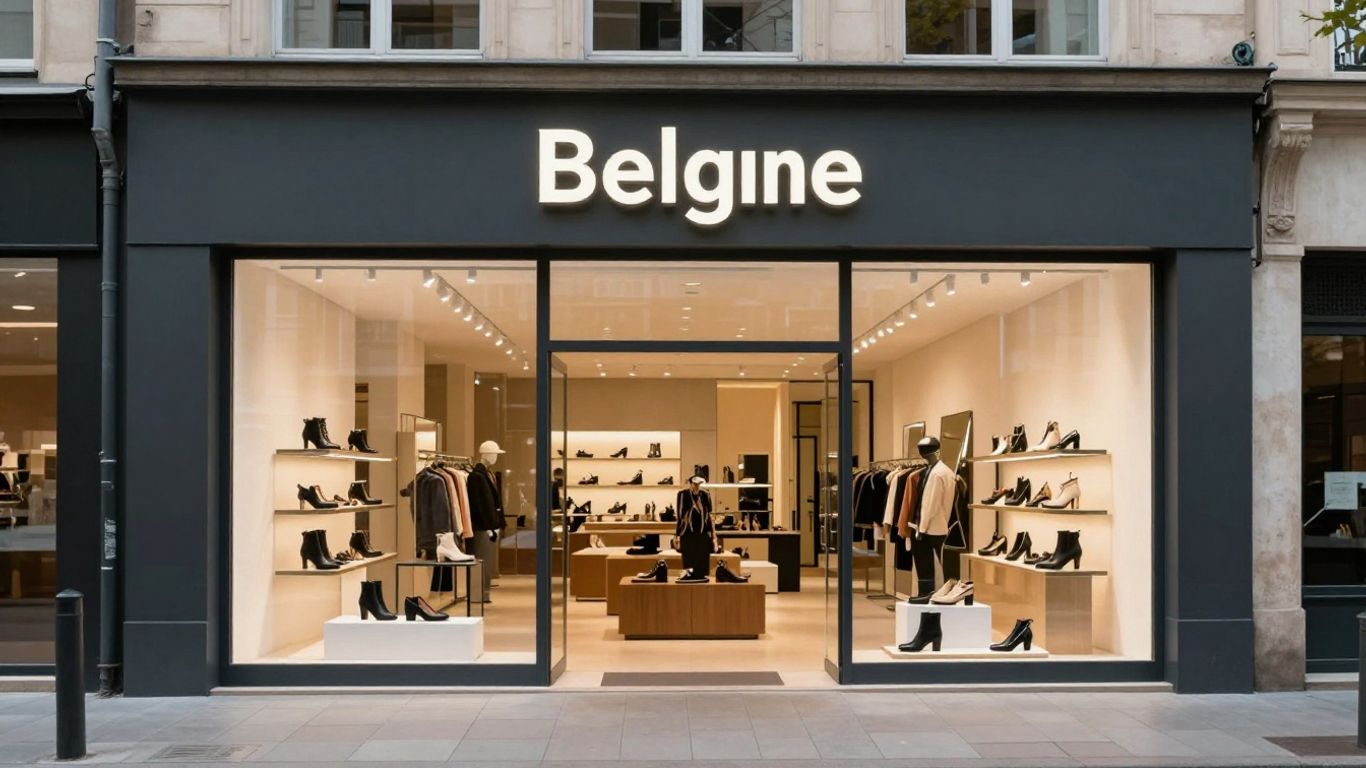
So, after all the dust settled with Brantano Belgique, there was a big shake-up. A Dutch shoe company, vanHaren, stepped in and decided to buy up a bunch of the stores. It wasn't a full takeover, though. They were pretty selective about which locations they wanted, and it took a while to figure out which ones had the best shot at success.
vanHaren’s Strategic Acquisition
vanHaren, which is actually part of the bigger German Deichmann group, ended up acquiring forty Brantano stores. This was a pretty significant move for them, considering they only had sixteen stores in Belgium before this. They really took their time, looking closely at each potential spot. It wasn't just a quick decision; they had to talk with landlords and really analyze the potential of each location for their own store concept. They initially thought about buying 43 stores, but that number changed to 40 after all the analysis.
Locations Reopened as vanHaren Stores
Out of the Brantano stores that were up for grabs, forty of them got a new lease on life as vanHaren locations. These are all situated in the Dutch-speaking part of Belgium. It's interesting to see how they picked these spots – it seems like they went for places with good potential. Here's a look at some of the locations that are now operating under the vanHaren name:
- Aalst: Brusselsesteenweg 120
- Aarschot: Liersesteenweg 224
- Borsbeek: De Robianostraat 169
- Bruges (Sint-Andries): Legeweg 152
- Bruges (Sint-Kruis): Maalse Steenweg 251
- Deinze: Guido Gezellelaan 40H
- Eeklo (Krügercomplex): Stationsstraat 82
- Geraardsbergen: Astridlaan 38
- Grimbergen: Waardbeekdreef 6
- Hasselt (Kuringen): Schampbergstraat 22B
(And many more, covering a wide area of Flanders.)
Impact on the Footwear Market
This whole situation definitely made waves in the Belgian footwear market. vanHaren's acquisition of these forty former Brantano stores significantly boosted their presence in Belgium. It's a big deal for a company that was already established but looking to grow. For consumers, it means more options and potentially a different shopping experience in these familiar locations. However, it's also important to note that vanHaren didn't take on the existing Brantano staff as part of the deal. Former employees were invited to apply for the open positions in the newly branded vanHaren stores, which is a whole other story about the transition for the people who used to work there.
The shift from Brantano to vanHaren in these forty locations represents a significant change in the retail landscape. It's a clear sign of consolidation and strategic growth within the European shoe market, with Dutch and German players making a strong move into Belgium.
Employment and Social Impact of the Transition
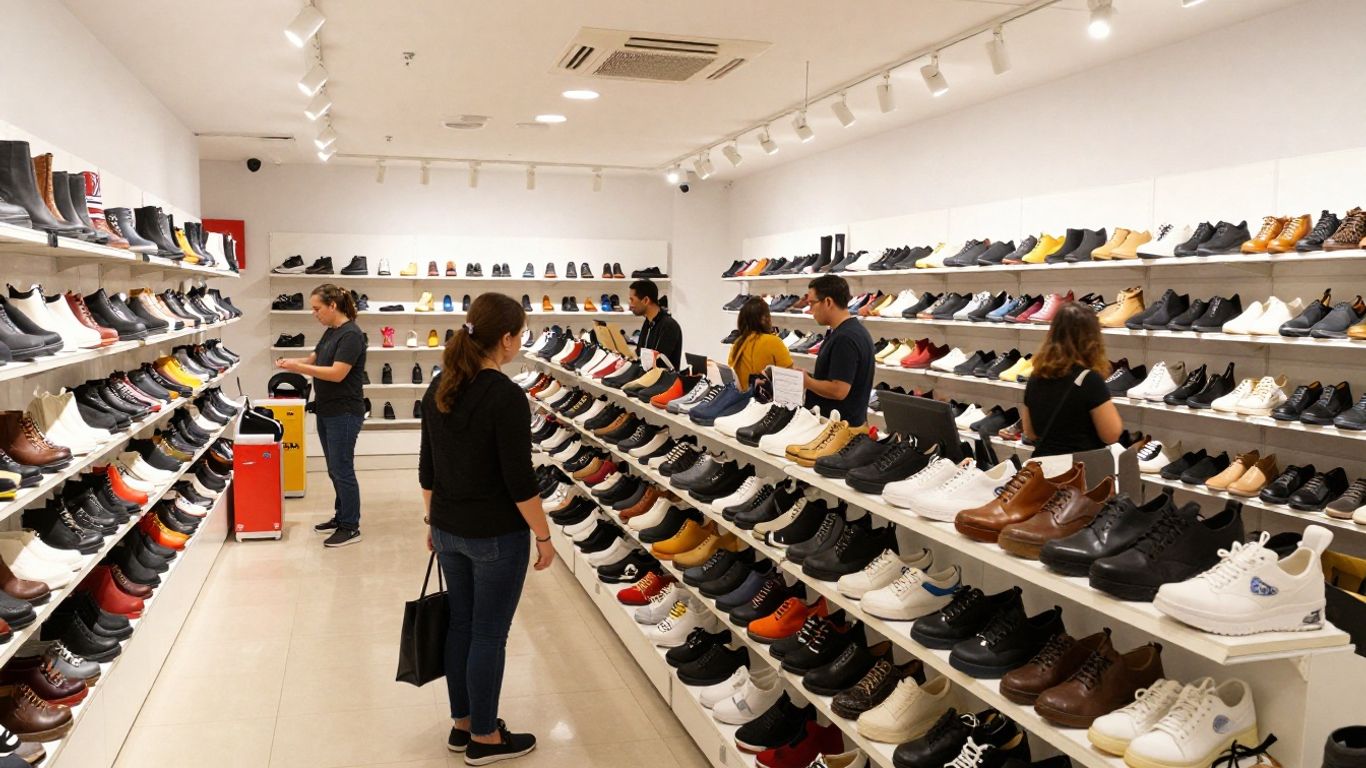
When Brantano Belgique Magasin went through its big changes, it really shook things up for the people who worked there. It wasn't just about closing stores or changing ownership; it meant a lot of uncertainty for the employees. The transition brought significant shifts in employment, affecting over a thousand staff members across the UK and Belgium.
Changes for the Brantano Workforce
The administration process meant that many Brantano stores eventually stopped trading. This led to a difficult period for the staff, with many facing redundancy. The company, even before administration, had been trying to streamline its operations to stay afloat, but unfortunately, it wasn't enough. When the administrators took over, they continued trading for a bit while looking at options, but ultimately, all branches ceased operations by the end of May 2017. This was a tough reality for the employees who had been part of the Brantano story.
Staff Application and Rehiring Processes
For the stores that were eventually acquired, like the forty locations that became vanHaren stores in Belgium, the situation for the existing staff was complicated. vanHaren, the acquiring company, made it clear that the staff weren't automatically transferred. Instead, former Brantano employees were invited to apply for the open positions in these newly branded stores. This meant a competitive application process for many, adding another layer of stress to an already uncertain time. It was a case of needing to re-apply for jobs that, in some cases, they had been doing for years.
Role of Labor Unions and Social Dialogue
During these transitions, labor unions and social dialogue play a really important part. In Belgium, for instance, Bie Buelens was brought in specifically to manage the dialogue with the unions and try to bring it to a good conclusion. This shows that even when a company is undergoing major changes, there's an effort to involve worker representatives. These discussions are key to figuring out the best way forward for the employees, addressing concerns about job security, severance, and the rehiring process. It's about trying to manage the human side of business changes, even when things are tough.
The administration and subsequent sale of parts of Brantano meant that the human element of the business couldn't be ignored. While business decisions often focus on assets and finances, the impact on the workforce is a significant social consequence that requires careful management and communication. The process of inviting former employees to reapply for their roles highlights the complex nature of these transitions, balancing the needs of a new business structure with the livelihoods of individuals.
Sustainability Initiatives at Brantano Belgique Magasin
Brantano Belgique Magasin didn’t just sell shoes; they tried to rethink how those shoes made their way to the shelves. Sustainability at Brantano was more than a buzzword. From how they sourced their products to efforts to trace every little detail, the company actually put ideas into action.
Partnership with The Forest Trust
Brantano partnered with The Forest Trust (TFT) to push for truly responsible sourcing of their products. This was a pretty big step at the time, because the average shoe hides a handful of environmental issues—from the chemicals used in tanning leather to concerns about deforestation. Brantano’s parent company opened their doors to TFT:
- TFT traced the origin of materials, going so far as to take products apart and follow each component back to its source.
- They focused on making sure leather for shoes wasn’t coming from illegally cleared land or damaging rainforests.
- They wanted not just transparency but real independent verification for every step in the supply chain.
Being open about the process was a priority; the point wasn’t just to slap a green label on a box but to make sure the full story behind each shoe was as clean as possible.
Efforts for Responsible Sourcing
Responsible sourcing pushed Brantano to get serious about what materials ended up in their products. Their projects included:
- Working directly with responsible leather suppliers, aiming to cut out links to illegal deforestation.
- Reducing chemicals and "nasty glues" in shoe and accessory manufacturing.
- Keeping tabs on labor conditions in factories to make sure social standards weren’t overlooked.
Here’s a quick look at the kinds of changes Brantano tried to make:
| Initiative | Before (Standard Practice) | After (Brantano + TFT) |
|---|---|---|
| Leather sourcing | Mixed, unclear origin | Verified, legal sources only |
| Tracking materials | Basic supplier info | Full supply chain mapping |
| Chemical use | Industry standard | Efforts to reduce/replace |
| Transparency | Limited, internal audits | Third-party verified reports |
Tracking Environmental Impact in Supply Chains
Brantano wanted to know exactly what footprint their business left, and they pulled in new tools to do it. The Forest Trust created tracking systems that didn’t exist before, and Brantano used this to:
- Record and verify the journey of leather and other materials.
- Check if products came from legal, sustainable operations.
- Report their progress openly, so customers could get real answers about what they were buying.
This kind of supply chain tracking was actually pretty rare for shoe retailers in Europe at the time.
To round it off, Brantano’s approach wasn’t just about looking good for publicity. The systems they put in place set a precedent—showing that even in a tough retail climate, you can push for greener, more ethical shoes without just making promises. Sustainable shoe retail felt less like a pipe dream and more like something possible, even with all the complications along the way.
The Financial Trajectory and Administration Events
Challenges Leading to Administration
Brantano Belgique Magasin had seen years of growth, but eventually, it ran into some tough financial headwinds. The company struggled with heavy competition and changing shopper habits, which made it harder to turn a profit, even after attempts to streamline the business. Sales didn't keep up with costs, and although the management explored a potential sale to bring in new investors or owners, no suitable deal came through. In the end, this lack of a buyer meant Brantano had to enter administration on March 22, 2017. All the stores in the UK stopped trading by the end of May that year, leading to staff layoffs and the end of regular operations.
Sale of Intellectual Property Assets
With physical stores closed, administrators focused on what they could still sell to recoup value for creditors. This included Brantano's intellectual property, a move handled by consulting firm Metis Partners. The sale covered a wide range of assets:
- The national trade mark portfolio
- Branded website and domain names
- E-commerce systems
- A catalog of sub-brands linked to Brantano
Here’s a quick data snapshot capturing some key figures right before administration:
| Metric | Value |
|---|---|
| Yearly Revenue (2016-2017) | £82.1 million |
| Physical Stores (UK) | 72 |
| Concessions (UK) | 82 |
| Employees (approximate, UK) | 1,000+ |
These assets were marketed to other companies looking to expand in the footwear sector. The hope was that the familiar Brantano name would still have appeal, especially since the market value for shoes was forecast to rise in the coming years.
Implications for Stakeholders and Creditors
Going into administration hit a lot of parties, not just employees. Landlords, suppliers, and other partners needed to file their claims for money owed. Creditors had to fill out official forms detailing what Brantano owed them as of the day administration started. The administrators prioritized communication, making sure everyone was notified about the process and how to get in touch for support.
- Landlords were contacted about property matters and provided special instructions for claim submission.
- Creditors could submit claims either through mail or email, making the process a bit more accessible.
- Employees received direct contact points for redundancy information and next steps if they had questions.
The collapse of Brantano wasn't just an end for a familiar store; it kicked off a complex process involving asset sales, legal filings, and tough choices for everyone who’d been part of its business.
Brand Value and Market Position Post-Transformation
The end of Brantano as it was didn’t erase its name from the minds of shoppers. A strong brand stays in people’s memories, especially when it’s been visible across so many high streets for decades. Brantano’s story since its administration is a good example of how brand equity can keep value, even when a company faces hard times.
The Importance of the Brantano Brand
- Brantano was widely recognized across Belgium and the UK, and its identity carried over into new business scenarios, even after closure.
- The intellectual property for Brantano included trademarks, website domains, and a sizable shoe brand portfolio, which were considered highly attractive to potential buyers in the footwear and retail worlds.
- Brand recognition like this doesn’t just fade—it gives new owners a base to reach old customers and tap into existing goodwill.
| Year of Admin | Active Stores (UK) | Revenue (million £) |
|---|---|---|
| 2017 | 73 | 82.1 |
Brand Acquisition and Future Growth
- After entering administration, Brantano's brand and other assets went up for sale, with hopes that fresh investment might spark another round of growth.
- Companies interested in buying up the brand focused on:
- Access to loyal customers still attached to the Brantano name.
- Integration of digital properties for streamlined e-commerce.
- Expansion into closely related product areas, leveraging the well-known name.
- Market forecasts for footwear, especially budget and mid-market shoes, suggested plenty of room for growth if the new owners used the brand wisely.
Consumer Perception After the Transition
- Customers often view brand transitions with some suspicion—old fans remember the original experience and judge the new owners accordingly.
- Even so, the chance to retain some of the classic elements—price, product selection, store locations—can help new owners smooth the transition.
- Smart rebranding mixes nostalgia with innovation, so returning shoppers feel something familiar in a changed environment.
A brand is more than just a logo—it’s a collection of experiences, stories, and memories that carry meaning long after the store doors close. That’s why, even after stores shut down or reopen under different banners, people still talk about Brantano.
The fate of Brantano’s brand highlights that in retail, reputation and recognition can be just as valuable as inventory. It’s not easy, but it is possible to turn past success into future opportunity—especially with a brand that meant something to so many.
What's Next for Brantano?
So, the Brantano story in Belgium is definitely changing. It's not the same big chain it used to be, with only 40 stores making a comeback under the vanHaren name. It's a bit of a shake-up, and unfortunately, not everyone who worked there before will be coming back. The focus now is on these 40 locations, and it'll be interesting to see how vanHaren does with them. It's a new chapter, for sure, and only time will tell how it all plays out for shoe shoppers in Belgium.
Frequently Asked Questions
What happened to Brantano Belgique stores?
Brantano Belgique stores went through a big change. Many stores closed down, but some were bought by a company called vanHaren. These stores were then reopened under the vanHaren name.
Who bought some of the Brantano stores?
A Dutch shoe store chain named vanHaren, which is part of a larger German company called Deichmann, bought some of the Brantano locations.
Were all Brantano employees rehired by vanHaren?
No, vanHaren did not automatically hire the former Brantano employees. The workers were invited to apply for jobs at the new vanHaren stores. This was a difficult part of the change for many people.
What does 'administration' mean for a company like Brantano?
When a company goes into 'administration,' it means it's in serious financial trouble. Usually, experts are brought in to try and fix the problems, sell parts of the company, or manage its closure. For Brantano, this led to many stores closing and assets being sold.
Did Brantano have any environmental goals?
Yes, before the big changes, Brantano was working with a group called The Forest Trust (TFT). They aimed to make sure the materials used in their products, like leather, came from responsible sources and didn't harm forests. They wanted to be a leader in making 'green' shoes and other items.
What happened to the Brantano brand name?
Even though many stores closed, the Brantano brand itself was valuable. Its name and other important company information (like website and trademarks) were sold. This means the brand could potentially be used again in the future by a new owner.