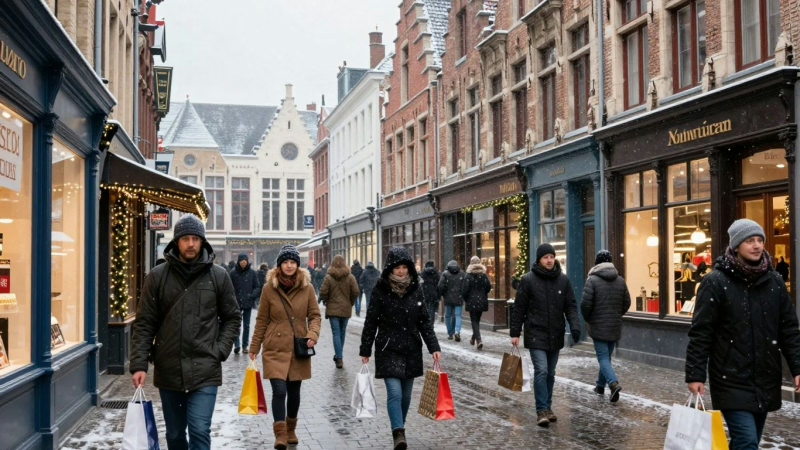
Belgian Winter Sales 2025: Key Dates and What to Expect
Get ready for the Belgian winter sales 2025, or 'soldes hiver 2025 belgique' as they say locally. Belgium has set dates for its winter sales, and knowing them can help you snag the best deals. It's not just about discounts; there are rules retailers have to follow, which is good for shoppers. Whether you're hitting the big cities or smaller towns, there will be plenty of opportunities to save money. We'll cover what to expect, how to shop smart, and even touch on the festive Bruges Winter Glow experience.
Key Takeaways
-
The official Belgian winter sales for 2025 are set to run from January 3rd to January 31st, following legally mandated periods.
-
Retailers must adhere to specific rules, including a one-month pre-sale blackout period where advertising discounts is restricted for certain goods.
-
Shoppers can find deals across major Belgian cities like Antwerp, Ghent, Brussels, and Bruges, with similar sales periods applying nationwide.
-
Smart shopping involves checking prices against a reference point (the lowest price in the last 30 days) and planning visits to avoid peak crowds.
-
While the sales offer chances to reduce stock for retailers and save money for consumers, the rise of online competition presents ongoing challenges for local businesses.
Belgian Winter Sales 2025: Official Dates and Regulations
Understanding The Legally Mandated Sales Periods
Alright, let's talk about when you can actually snag those deals in Belgium. The government sets specific times for sales, and it's not just a free-for-all. For the winter sales in 2025, the official window kicks off on January 3rd and runs through January 31st. This is pretty standard, though if January 3rd happens to fall on a Sunday, they sometimes let things start a day early. It’s good to know these dates so you can plan your shopping trips and not miss out on the best bargains. These fixed periods apply across the whole country, from the big cities to the smaller towns.
Key Rules Governing Belgian Sales
Belgium has some pretty clear rules about how sales work, mostly to keep things fair for shoppers. Here’s the lowdown:
-
Two Official Periods: You'll only find legally recognized sales twice a year: the winter sales (January) and the summer sales (July). Shops can't just decide to have a sale whenever they feel like it.
-
Stock Requirements: The items on sale have to have been available for purchase for at least 30 days before the sale starts. And, of course, they need to be in stock when the sale begins.
-
Price Transparency: When a store advertises a sale price, they have to show the previous price. This should be the lowest price the item was sold at in the last 30 days. It helps you see if the discount is actually a good deal.
-
Selling at a Loss: Stores are allowed to sell items for less than they paid for them during sales, especially if they need to clear out old stock.
These regulations are in place to prevent misleading promotions and to give consumers confidence when shopping during these specific sale periods. It means that when you see a sale sign, it's generally for a genuine price reduction on items that have been available for a while.
The Pre-Sale Blackout Period Explained
So, before the actual sales start, there's a quiet period. For about a month leading up to the winter sales, certain types of shops, like those selling clothes, shoes, and leather goods, aren't allowed to advertise any discounts. They can still offer reduced prices, but they can't actively promote sales or announce upcoming deals. This 'blackout' period is meant to build anticipation for the official sales and prevent continuous discounting throughout the year. It means you might see some price drops before January 3rd, but the big, advertised sales won't officially begin until then.
Navigating The Winter Sales In Major Belgian Cities
Shopping Opportunities In Antwerp And Ghent
When the winter sales officially kick off, cities like Antwerp and Ghent transform into prime destinations for bargain hunters. Antwerp, with its renowned fashion district and designer boutiques, offers a chance to snag high-end items at reduced prices. Think of the Meir, the city's main shopping street, and its surrounding areas – they'll be buzzing with activity. Ghent, known for its mix of historic charm and modern retail, also presents a great shopping scene. You'll find everything from large department stores to smaller, independent shops tucked away in its picturesque streets, all participating in the sales.
Discovering Deals In Brussels And Bruges
In Brussels, the capital city, the sales are a major event. The city center, especially around the Rue Neuve and the elegant Galeries Royales Saint-Hubert, will be packed. Expect to find significant discounts across a wide range of products, from electronics to clothing. Bruges, while smaller and more focused on tourism, doesn't miss out on the sales action. Its charming medieval streets might seem more suited for leisurely strolls, but during the sales period, they become hunting grounds for deals. Keep an eye out in the smaller boutiques and shops around the Markt and Burg squares for unique finds.
Exploring Sales In Leuven And Beyond
Leuven, a vibrant university city, offers a more relaxed yet rewarding sales experience. Its compact city center makes it easy to explore the various shops, from well-known brands to local businesses. The sales here are just as legally regulated as in the larger cities, meaning you can expect genuine price reductions. Beyond these major hubs, remember that the sales periods are nationwide. So, whether you're in a bustling metropolis or a smaller town, the official dates apply, and retailers are eager to clear out their seasonal stock. It's worth checking out local shops even outside the main tourist trails for potentially overlooked gems.
Here's a quick look at what to expect:
-
Antwerp: High-end fashion, designer outlets, main shopping streets.
-
Ghent: Mix of large stores and independent boutiques, historic shopping areas.
-
Brussels: Extensive range of products, major shopping centers, city center deals.
-
Bruges: Charming boutiques, unique finds in historic settings.
-
Leuven: Compact city center, good mix of retailers, relaxed atmosphere.
The official winter sales period in Belgium runs from January 3rd to January 31st, 2026. During this time, retailers are legally permitted to offer discounts. However, there's a preceding month where advertising sales is restricted for certain sectors, like clothing and footwear. This means while you might see price drops, official sale announcements are held back until the official start date.
Maximizing Your Savings During The Winter Sales
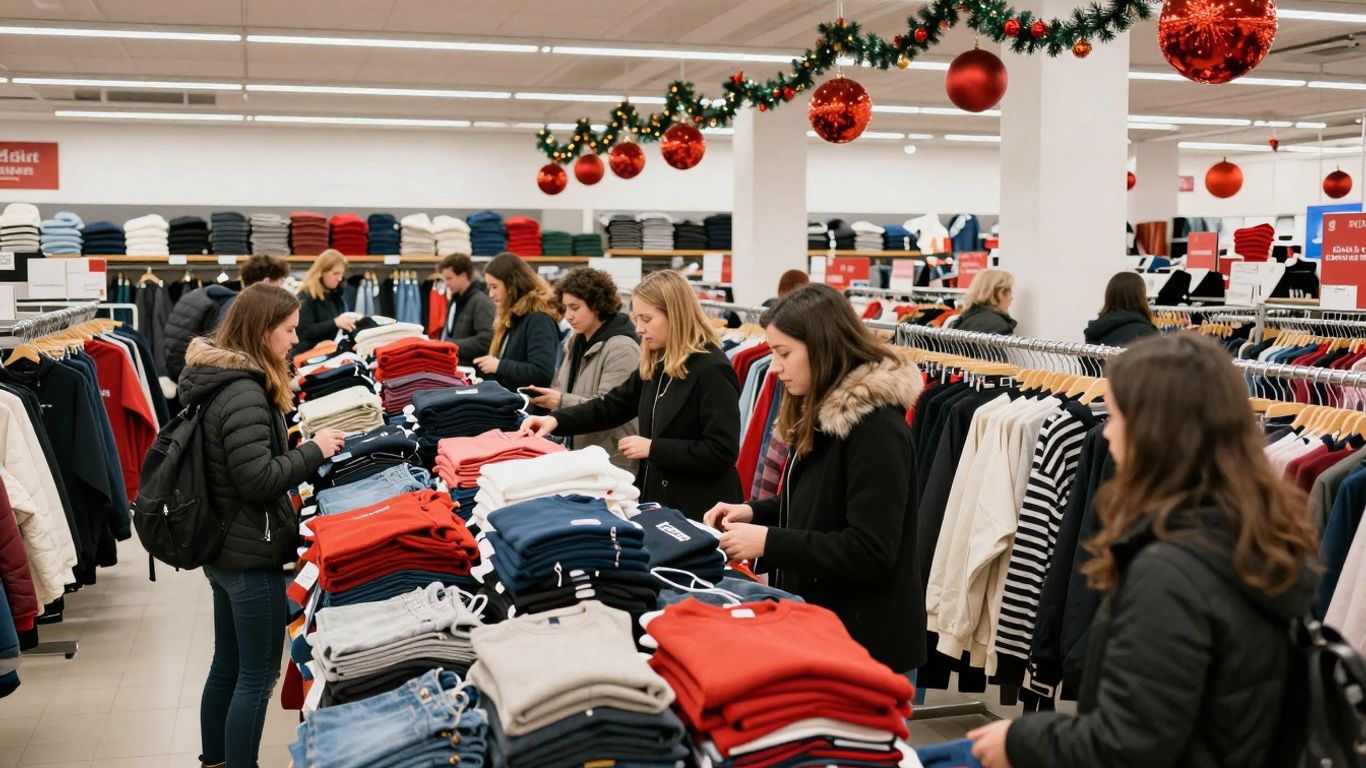
So, the Belgian Winter Sales 2025 are here, and you're ready to snag some deals. But how do you make sure you're actually getting a good price and not just buying something because it's marked down? It's all about being a bit strategic. The best deals often go fast, so having a plan is key.
Smart Shopping Strategies For Bargain Hunters
It's easy to get swept up in the excitement of sales, but a little preparation goes a long way. Think about what you actually need or have been wanting for a while. Making a list can help you stay focused and avoid impulse buys that you might regret later. Also, consider the timing – the first few days usually have the best selection, but sometimes deeper discounts appear towards the end of the sale period, though with fewer choices.
-
Make a list: Jot down items you genuinely need or want.
-
Set a budget: Decide how much you're willing to spend before you start.
-
Check store opening times: Especially if you plan to hit the sales right at the start.
-
Look for quality over quantity: Sometimes, a slightly more expensive item that lasts longer is a better buy.
The retail landscape is changing, with online competition becoming a bigger factor. While online stores offer convenience, don't forget the unique experience and service you can get from local Belgian shops. Supporting them can be rewarding, and they often have great items too.
Comparing Prices And Identifying True Deals
Don't just take the advertised discount at face value. It's worth doing a quick check to see if the
Retailer Expectations And Consumer Trends For Winter Sales
This year's winter sales are kicking off with a mix of cautious optimism and some real concerns for Belgian retailers. After a pretty mild autumn that had folks holding off on buying heavy winter gear, shops are really hoping the colder weather that's finally arrived will get people into the shopping mood. Discounts are starting around 30%, which is pretty standard, but the real question is whether that's enough to clear out the stock.
Fashion Retailers' Hopes Amidst Mild Autumns
Many fashion stores are feeling the pinch from the unseasonably warm weather we had through October and November. It meant fewer sales of coats, sweaters, and boots than usual. Some surveys suggest sales were down by about 4% for independent fashion retailers compared to last year. It's a tough spot to be in when you've got winter stock that needs to move.
Impact Of Weather On Winter Purchases
Weather really does play a huge role, doesn't it? When it's warm, nobody's thinking about buying a thick scarf. But now that it's properly cold, there's a noticeable uptick in people looking for those winter essentials. Retailers are definitely crossing their fingers that this cold snap lasts through the sales period. It's not just about making sales now, but also about making space for the next season's inventory. The hope is that the current chill will drive demand for winter items, helping to balance out the slower start to the season.
Consumer Behavior And The Rise Of Online Competition
Shoppers today are pretty savvy. They're not just buying things because they're on sale; they're looking for genuine value. Impulse buys seem to be way down, and people are more deliberate with their spending. This is partly because there are so many ways to shop all year round, and also because of the growing competition from online giants. Stores like Shein and Temu are making it hard for smaller, local shops to compete on price, even during the official sales. It's a challenge for independent retailers who already operate on thin margins, trying to offer that personal touch while keeping prices competitive. Many are hoping customers will choose quality and support local businesses, even if it means paying a little more upfront.
The shift in consumer habits means retailers need to be more strategic than ever. Offering a good in-store experience alongside competitive pricing is becoming the key differentiator. It's about more than just discounts; it's about the overall shopping journey.
The Significance Of The Winter Sales For The Belgian Economy
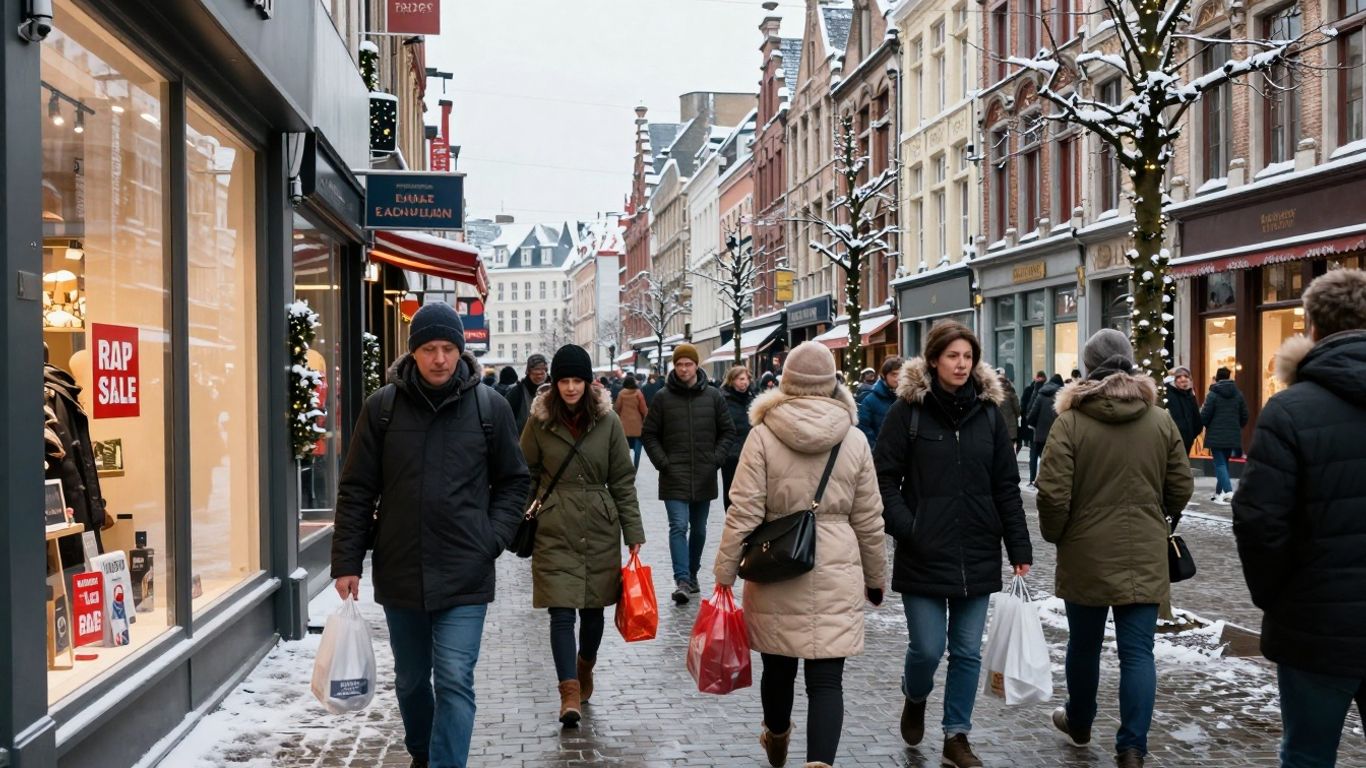
The Belgian winter sales aren't just about grabbing a good deal; they're a pretty big deal for the country's economy too. Think of it as a yearly reset button for a lot of businesses. For retailers, especially those in fashion, it's the prime time to clear out all that winter stock that didn't sell during the colder months. You know, those coats and sweaters that were supposed to fly off the shelves but ended up lingering. This helps them make space and cash available for new inventory coming in.
Reducing Seasonal Stock For Retailers
Retailers often find themselves with a significant amount of unsold seasonal items. The winter sales provide a structured opportunity to liquidate this stock. It's not just about making a quick buck; it's about managing inventory efficiently. A lot of independent fashion retailers, for instance, were hoping the sales would help them recover after a mild autumn meant fewer people bought warm clothing. They often have a good chunk of their collection left over, sometimes between 40% and 60% of it, so these sales are really important for them to get back on track.
Providing Value For Consumers
From our side of the counter, the sales are fantastic. It's our chance to snag those items we've been eyeing all season at much lower prices. This means consumers can get quality products without breaking the bank. It's a win-win, really. People get to refresh their wardrobes or homes, and retailers get to move their stock. Plus, with holiday retail spending in Europe expected to grow, these sales are a big part of that consumer activity, especially for things like clothing.
Ensuring Transparency And Certainty In The Market
One thing that makes the Belgian sales system stand out is that it's all legally defined. There are specific dates, rules about how long items have to be available before they can be put on sale, and requirements for showing the previous lowest price. This setup creates a level playing field and gives everyone certainty. Consumers know when to expect sales and can trust that the discounts are genuine, while retailers have clear guidelines to follow. This structure helps prevent confusion and builds consumer confidence, which is good for the overall market.
-
Legally Mandated Periods: Sales happen only during set times, twice a year.
-
Stock Requirements: Items must have been available for at least 30 days prior to the sale.
-
Price Transparency: Previous prices must be clearly displayed.
-
Pre-Sale Blackout: A quiet period before sales helps prevent premature advertising of discounts.
The structured nature of Belgian sales periods, with their clear rules and defined timelines, offers a predictable environment for both shoppers and sellers. This regulatory framework is key to maintaining consumer trust and supporting the retail sector's economic cycle.
What To Expect From The Bruges Winter Glow Experience
Bruges really goes all out for the holidays, and the "Winter Glow" is their way of tying all the festive happenings together. It's not just one event, but a whole city-wide celebration that transforms Bruges into a winter wonderland. Think of it as the umbrella term for everything magical that happens in Bruges from late November through early January. The whole city becomes a Christmas town, really.
Understanding The Winter Glow Festival
The Winter Glow is essentially Bruges's official winter festival. It encompasses the main Christmas Market, a cool light trail that winds through the city, an ice skating rink, and festive decorations everywhere you look. It’s designed to give visitors a full winter experience, making Bruges even more charming than its usual fairytale self. It’s a great reason to visit, especially if you love that cozy, festive atmosphere.
Christmas Market Dates and Opening Hours
Mark your calendars! The Bruges Christmas Market and the broader Winter Glow festival are set to run from November 21, 2025, to January 4, 2026. Most days, you can expect the market stalls to be open from around 10 or 11 AM until 10 or 11 PM. Just a heads-up, Christmas Eve (December 24th) and New Year's Eve (December 31st) are a bit different, with the market usually wrapping up earlier, around 7 PM. It’s good to know that unlike some other European markets that close right before Christmas, the Belgian ones, including Bruges, stay open through the entire holiday period and into the first week of January, which is super convenient if you're planning a visit after Christmas.
Festive Activities Beyond the Market Stalls
While the market itself is a big draw, there's plenty more to explore. One of the highlights is the "FIRE & ICE" light experience trail. This free trail features various light installations scattered throughout the city, guiding you through both popular spots and some lesser-known corners. It's lit up every evening from about 5:30 PM until midnight, offering a beautiful way to see Bruges after dark. You'll also find a large Christmas tree, usually on Burg Square, adding to the festive vibe. And don't forget the ice skating rink, often located in Minnewaterpark, which is perfect for some active fun.
Bruges is already a stunning city, but during Winter Glow, it takes on a special kind of magic. The combination of the historic architecture, the twinkling lights, and the crisp winter air creates an unforgettable atmosphere. It's definitely worth planning a trip for, especially if you can stay overnight to experience the city when the day-trippers have left.
Here’s a quick rundown of what to expect:
-
Christmas Market: Find unique gifts, decorations, and local treats.
-
Light Experience Trail: Follow the illuminated path through the city.
-
Ice Skating Rink: Enjoy a glide on the ice (check specific location and times).
-
Festive Decorations: The entire city is adorned with lights and holiday cheer.
-
Cozy Atmosphere: Enjoy warm drinks and the general festive spirit.
Wrapping Up the Belgian Winter Sales 2025
So, there you have it. The Belgian winter sales for 2025 are set to kick off, bringing with them a chance for some great deals across the country. Remember those key dates we talked about – they're legally set, so you know exactly when to look. Whether you're hitting the big cities like Antwerp or Brussels, or exploring smaller towns, keep an eye out for those discounts. It's a good time for retailers to clear out old stock and for us shoppers to grab some nice items at a lower price. Just shop smart, check those prices, and happy bargain hunting!
Frequently Asked Questions
When do the Belgian Winter Sales officially start and end?
The official winter sales in Belgium for 2025 are set to begin on January 3rd and wrap up on January 31st. These dates are set by law, so you can count on them being the same across the country.
Are there any rules stores have to follow during the sales?
Yes, there are! Stores can only put items on sale if they've been available for at least 30 days before the sale starts. They also have to show the original price, or the lowest price they've had in the last month, so you know you're really getting a deal. Plus, there's a quiet period before the sales where stores can't advertise sales, which helps make sure the official sale dates are special.
Can I find sales in all major Belgian cities?
Absolutely! Whether you're in Antwerp, Ghent, Brussels, Bruges, or Leuven, all these cities follow the same official sale dates. You'll find discounts in big stores and small shops alike, no matter where you are in Belgium.
What's the best way to make sure I'm getting a good deal?
To be a smart shopper, try to start looking early in the sales, as the best discounts are often on popular items first. Always compare prices – check the 'old price' against what you've seen before to confirm it's a real bargain. Also, keep an eye on when the sales period ends so you don't miss out!
Why are these sales so important for shops?
For shop owners, the sales are a great chance to clear out old stock from the previous season. This helps them make space for new items. It's a win-win because they get rid of old goods, and customers get to buy things at lower prices.
What is the Bruges Winter Glow experience?
Bruges Winter Glow is a whole winter festival that lights up the city! It includes the Christmas Market, a special light trail to walk through, an ice skating rink, and festive decorations all over town. It turns Bruges into a magical Christmas wonderland from late November to early January.