
Unlock Your Fitness Potential with Basic-Fit: Your Guide to a Healthier You
Thinking about getting fitter but not sure where to start? Maybe those super intense workouts seem a bit much right now. That's totally okay! There's a really effective way to build fitness without going all out all the time. It's called basic fit, and it's pretty much what it sounds like: periods of working out at a comfortable pace mixed with even more relaxed recovery times. It's a great option for pretty much anyone looking to improve their health. Let's break down what basic fit is all about and how you can start.
Key Takeaways
- Fitness is about your body's ability to do physical tasks, not just how you look.
- There are five parts to fitness: heart/lung health, strength, endurance, flexibility, and body makeup.
- Regular exercise helps your body and mind, giving you more energy and possibly helping you live longer.
- Finding activities you enjoy and starting slow are good ways to begin a fitness routine.
- What you eat is important for fitness, so focus on protein, carbs, good fats, and staying hydrated.
Understanding Your Basic Fit Journey
Getting started with fitness can feel like a big step, and honestly, it can be a little confusing with all the information out there. But it doesn't have to be complicated. Think of your fitness journey as building something solid, brick by brick. It's about more than just looking a certain way; it's about feeling capable and strong in your everyday life. This section is all about getting a clear picture of what fitness really means and why it's worth your time.
What Constitutes Fitness?
At its core, fitness is simply your body's ability to handle physical tasks. This could be anything from carrying groceries up the stairs without getting winded to running a 5k or lifting heavier weights. It's about having the physical capacity to do what you need and want to do without feeling completely drained. It’s about being functional and having energy.
The Five Pillars of Physical Fitness
To really get well-rounded, you want to pay attention to a few key areas. These aren't separate things you do once in a while; they work together to make you a more capable person overall.
- Cardiovascular Endurance: This is how well your heart and lungs work together to get oxygen to your muscles when you're moving. Better cardio means more stamina and a healthier heart.
- Muscular Strength: This is about how much force your muscles can produce. Think about lifting something heavy – that's strength.
- Muscular Endurance: This is different from strength. It's about how long your muscles can keep working. Like holding a plank for a minute or doing many repetitions of an exercise.
- Flexibility: This refers to how much you can move your joints. Good flexibility helps you move more freely and can help prevent injuries.
- Body Composition: This is the balance between fat and lean mass (like muscle and bone) in your body. It’s not about a number on the scale, but about having a healthy ratio.
Why Prioritize Your Fitness?
Making fitness a part of your life brings a lot of good things your way. It's not just about the gym; it impacts your whole life.
- Physical Health: Regular activity helps keep chronic diseases like heart problems and diabetes at bay. It also helps you manage your weight and keeps your bones and muscles strong.
- Mental Health: Exercise is a well-known mood booster. It can help reduce feelings of stress and anxiety, and even improve your sleep quality. Plus, achieving fitness goals can really boost your confidence.
- Energy Levels: It might seem odd, but expending energy through exercise actually gives you more energy overall. Better circulation and oxygen flow mean you feel less tired during the day.
Focusing on these pillars helps create a balanced approach to your health. It's not about being perfect in every area, but about making steady progress that feels good and lasts.
Getting started is often the hardest part. The key is to find activities you actually enjoy, because you're much more likely to stick with them. Don't feel pressured to do what everyone else is doing. Your fitness journey is yours alone.
Building A Foundation With Basic Fit
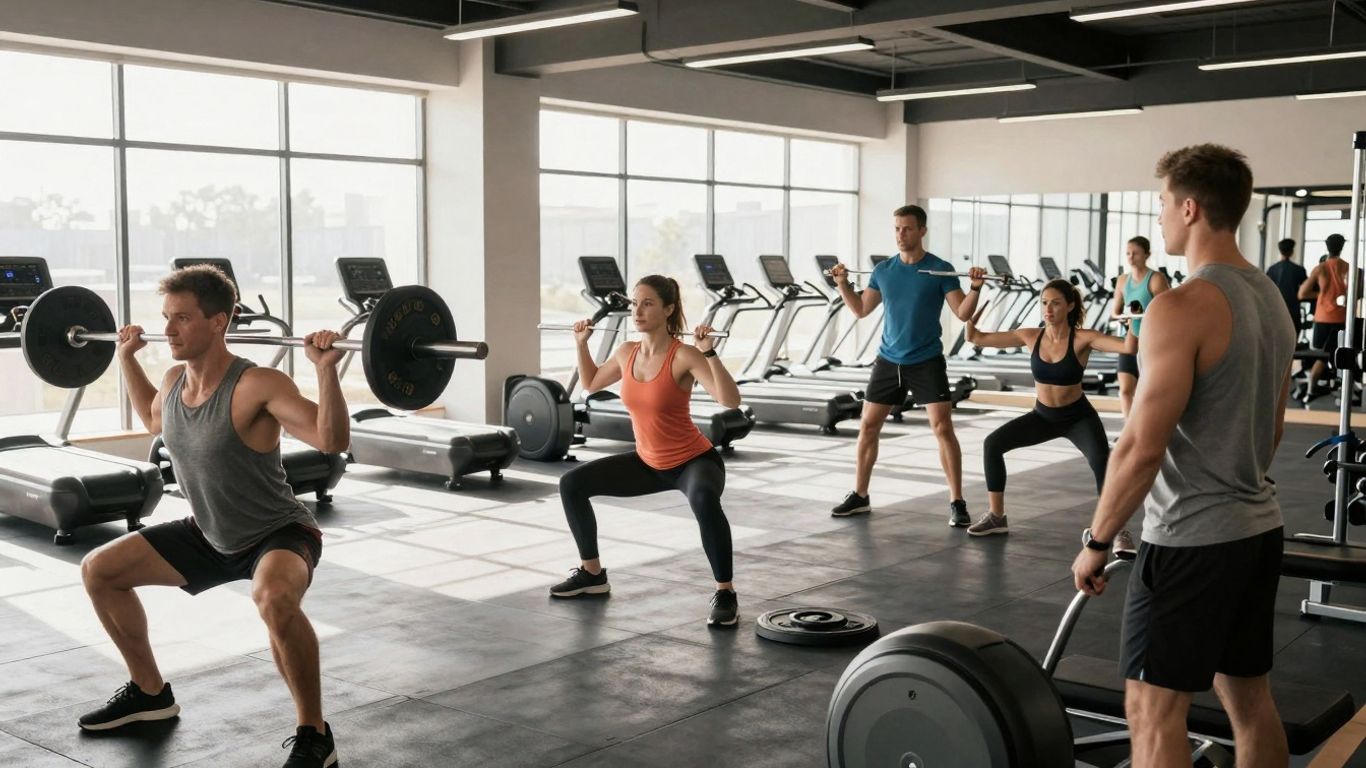
Getting started with your fitness journey is all about building a solid base. It’s not about jumping into the most complicated routines right away. Think of it like building a house; you need a strong foundation before you can add the fancy stuff. This means focusing on the core movements and principles that will serve you well no matter what your long-term fitness goals are.
Mastering Strength Training Fundamentals
Strength training is a cornerstone of a healthy lifestyle. It’s not just for bodybuilders; it’s for everyone. When you build strength, you’re not just making your muscles bigger, you’re making them more efficient. This translates to everyday life – carrying groceries feels easier, playing with kids is less tiring, and you’re less likely to get hurt doing normal activities. Focusing on compound movements is key here. These are exercises that work multiple muscle groups at once, like squats, deadlifts, and push-ups. They give you the most bang for your buck.
Here’s a simple breakdown of how to approach strength training:
- Start with bodyweight: Get comfortable with basic movements like squats, lunges, and planks using just your own body. This helps you learn the proper form without added weight.
- Introduce light weights: Once you’ve got the form down, gradually add resistance. This could be dumbbells, resistance bands, or even household items.
- Learn proper form: This is non-negotiable. Bad form leads to injuries. Watch videos, use mirrors, and if possible, get a trainer to check your technique.
- Progress gradually: Don't try to lift too much too soon. Slowly increase the weight, reps, or sets as you get stronger. This is how you achieve your fitness goals safely and effectively.
The Importance of Core Strength
Your core isn't just your abs; it's a whole group of muscles around your midsection, including your back and hips. A strong core is like the central hub for all your body's movements. It helps with balance, stability, and power transfer. Without a strong core, you’re more prone to back pain and injuries, even in simple activities.
Think about it: every time you lift something, twist, or even stand up, your core is working. Building it up means you can handle more stress on your body and move with more control. Exercises like planks, bird-dogs, and Russian twists are great for this. You don't need fancy equipment, just consistency.
A strong core supports your spine, improves posture, and makes everyday movements feel smoother and more controlled. It's the foundation for almost everything you do physically.
Enhancing Mobility and Flexibility
Mobility and flexibility often get overlooked, but they’re super important for a well-rounded fitness routine. Flexibility is about how far your muscles can stretch, while mobility is about how well your joints can move through their full range of motion. Being flexible and mobile means you can move more freely, reduce the risk of strains, and recover faster from workouts. It’s also a big part of reducing injury risks.
Here are a few ways to work on this:
- Dynamic stretching: This involves moving your body through a range of motion, like arm circles or leg swings. Do this before your workout as part of your warm-up.
- Static stretching: This is holding a stretch for a period of time, like touching your toes. Best done after your workout when your muscles are warm.
- Foam rolling: Using a foam roller can help release muscle tension and improve blood flow, aiding in recovery and flexibility.
Incorporating these elements into your routine will make your workouts more effective and help you feel better overall.
Optimizing Your Basic Fit Workouts
So you've got the basics down, you're showing up, and you're putting in the work. That's awesome! But to keep seeing progress and avoid hitting a wall, we need to talk about making your workouts work smarter, not just harder. It’s about making sure every sweat session counts towards your goals.
Progressive Strategies for Continuous Improvement
Your body is pretty amazing at adapting. That's great for getting started, but it also means if you do the exact same thing week after week, it'll stop changing. To keep getting stronger, fitter, or faster, you need to give it new challenges. This is called progressive overload, and it's the secret sauce to long-term gains.
Here are a few ways to do it:
- Increase the Weight: If you're lifting weights, gradually add a little more weight to the bar or dumbbells. Even a small jump can make a difference.
- More Reps or Sets: If adding weight isn't an option, try doing more repetitions of an exercise or adding an extra set. For example, if you usually do 3 sets of 10 reps, try for 3 sets of 12, or even 4 sets of 10.
- Reduce Rest Time: Shortening the breaks between your sets can make your workout more intense and improve your endurance.
- Improve Form: Sometimes, just focusing on doing the exercise with better control and a fuller range of motion is a form of progression.
- Increase Frequency: If you're only working out 3 days a week, consider adding a fourth session if your recovery allows.
It's not about doing everything at once, but picking one or two things to adjust every few weeks. Listen to your body; it'll tell you when it's ready for more.
Injury Prevention Techniques
Getting injured is a surefire way to derail your fitness journey. Nobody wants that! The good news is, most injuries can be avoided with a little bit of care and attention. It's not about being scared of movement, but about moving wisely.
- Warm-Up Properly: Before you even start your main workout, spend 5-10 minutes getting your body ready. This could be light cardio like jogging in place or jumping jacks, followed by some dynamic stretches like arm circles and leg swings. This gets blood flowing to your muscles and prepares them for work.
- Master Your Form: This is huge. Doing an exercise incorrectly, even with lighter weight, puts unnecessary stress on your joints and muscles. Watch videos, use mirrors, or ask a trainer to check your technique. Focus on controlled movements rather than just getting the weight up.
- Cool Down and Stretch: After your workout, take a few minutes to cool down with some light activity, then do some static stretches. Hold each stretch for about 20-30 seconds. This helps your heart rate return to normal and can improve flexibility over time.
- Listen to Your Body: If something feels like sharp pain, stop. Don't push through it. There's a difference between muscle fatigue and actual pain. Rest days are just as important as workout days for recovery and preventing overuse injuries.
Taking the time to prepare your body before exercise and help it recover afterward isn't a waste of time; it's an investment in your ability to keep training consistently and safely for the long haul.
The Role of Nutrition in Your Fitness
Think of your body like a car. You can have the best engine (your muscles) and the best driver (you!), but if you put the wrong fuel in, it's not going to perform well, and it might even break down. Nutrition is that fuel for your fitness.
- Protein for Repair: After you work out, your muscles need protein to repair and grow stronger. Aim to include sources like lean meats, fish, eggs, dairy, beans, or tofu in your meals, especially after training.
- Carbs for Energy: Carbohydrates are your body's primary energy source. Don't be afraid of them! Whole grains, fruits, and vegetables provide sustained energy for your workouts and help replenish your glycogen stores afterward.
- Healthy Fats for Function: Fats are important too! They help with hormone production and nutrient absorption. Good sources include avocados, nuts, seeds, and olive oil.
- Hydration is Key: Water is involved in almost every bodily process. Dehydration can lead to fatigue, decreased performance, and even muscle cramps. Drink water consistently throughout the day, and especially before, during, and after exercise.
Getting your nutrition right doesn't mean you have to eat bland food or follow a super strict diet. It's about making smart choices most of the time to support your training efforts. What you eat directly impacts how you feel, how you perform, and how well you recover.
Exploring Different Training Styles
Not all workouts are created equal, and figuring out what works best for you is part of the fun. Sometimes you want to push hard, other times you need something a bit gentler. Let's look at a few ways you can mix up your routine.
High-Intensity Interval Training (HIIT)
This is where you go all out for short bursts, followed by brief recovery periods. Think of it like sprinting for 30 seconds, then walking for a minute, and repeating that cycle. It's a great way to burn a lot of calories in a short amount of time. Because it's so intense, it's usually not recommended to do HIIT every single day. Your body needs time to recover.
HIIT is fantastic for improving cardiovascular health and boosting your metabolism.
Here's a basic idea of how a HIIT session might look:
- Warm-up: 5-10 minutes of light cardio and dynamic stretching.
- Work Intervals: 20-30 seconds of maximum effort (e.g., burpees, jump squats, fast cycling).
- Rest Intervals: 40-60 seconds of complete rest or very light activity (e.g., walking, slow pedaling).
- Repeat: Aim for 8-10 rounds of work and rest.
- Cool-down: 5-10 minutes of stretching.
Low-Intensity Interval Training Explained
LIIT is kind of the opposite of HIIT, but still uses intervals. Instead of going all-out, you work at a moderate pace for a set time, then recover for a bit. This is much easier on your body and can be done more often. It's a good way to build endurance without feeling completely wiped out.
- Activity Choice: Pick something you enjoy, like brisk walking, cycling, swimming, or using an elliptical. The key is being able to control your pace.
- Interval Structure: You might walk briskly for 2 minutes, then walk at a normal pace for 1 minute, and repeat. Or cycle at a moderate effort for 3 minutes, then easy for 2 minutes.
- Frequency: Because it's less taxing, you can often do LIIT several times a week.
LIIT is a smart way to build a solid fitness base. It helps your body get used to sustained effort, which is super important for overall health and can make harder workouts feel easier down the line.
The Benefits of Functional Training
Functional training is all about movements that mimic everyday life. Instead of just working one muscle, it trains your muscles to work together. Think about lifting groceries, carrying a child, or even just getting up from a chair. This type of training helps you move better in your daily life and can reduce the risk of injuries from those everyday tasks.
- Improves Daily Activities: Makes tasks like carrying heavy items or climbing stairs feel less strenuous.
- Builds Core Strength: Engages your core muscles for stability in almost every movement.
- Enhances Coordination: Teaches your body to move different parts in a coordinated way.
- Reduces Injury Risk: Prepares your body for real-world physical demands.
Examples include exercises like squats, lunges, push-ups, and carrying weights (like kettlebells or dumbbells) in different ways. It’s about making your body more capable for whatever life throws at you.
Personalized Guidance for Basic Fit Success
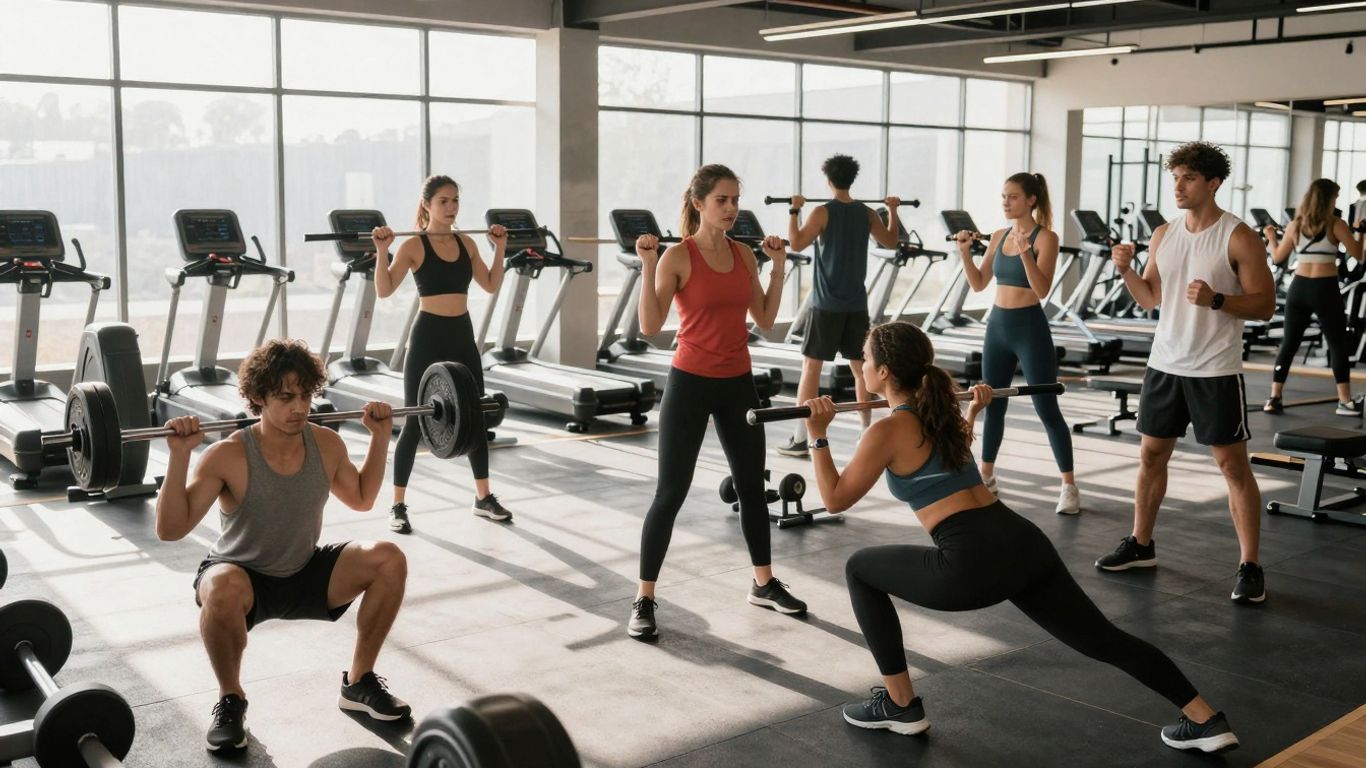
Sometimes, just showing up to the gym isn't enough. You might have specific goals, or maybe you're just not seeing the progress you hoped for. That's where getting some personalized help can really make a difference. It's like having a guide who knows the map and can point out the shortcuts and the tricky spots.
The Advantages of Working With a Trainer
Having a trainer means you're not just guessing anymore. They can create a plan that's made just for you, taking into account your current fitness level, what you want to achieve, and any physical limitations you might have. They also make sure you're doing exercises correctly, which is super important for getting results and avoiding injuries. Plus, knowing someone is expecting you can be a big motivator to actually get your workout done.
Choosing the Right Personal Trainer
Finding the right trainer is a bit like dating – you need to find someone you click with. Here are a few things to think about:
- Qualifications: Do they have the right certifications? This shows they've studied the science behind fitness.
- Experience: Have they worked with people who have similar goals to yours? Someone who trains marathon runners might not be the best fit if you just want to build muscle.
- Personality: Can you talk to them easily? Do they listen to you? You'll be spending a good amount of time together, so a good rapport is key.
- Availability: Do their training times fit into your schedule? It’s no good if they can only train you when you’re busy.
- Cost: What do they charge, and what’s included? Make sure it fits your budget.
Maximizing Your Training Sessions
Once you've found your trainer, make the most of it. Be honest about how you're feeling, both physically and mentally. Don't be afraid to ask questions – that's what they're there for! Set clear, achievable goals together, and try to stick to the plan they give you, not just during sessions but with your nutrition and rest too. Consistency is really where the magic happens.
Working with a trainer isn't just about the hour you spend with them. It's about learning how to train smarter, eat better, and build habits that last long after your sessions are over. They give you the tools and the knowledge to keep progressing on your own.
Your Fitness Journey Starts Now
So, that's the rundown on getting started with Basic-Fit and making fitness a regular part of your life. It’s not about being perfect from day one, but about taking those first steps and finding what works for you. Remember to listen to your body, mix things up so you don't get bored, and don't forget that what you eat plays a big role too. Basic-Fit is here to support you, whether you're just starting out or looking to push your limits. Go ahead, give it a try, and start feeling better today.
Frequently Asked Questions
What exactly is fitness?
Fitness is basically your body's ability to do physical stuff. Think about being able to climb stairs without getting tired, or having the energy to play with friends. It's not just about how you look, but how well your body works every day.
Why should I care about being fit?
Being fit is super important for your health! It helps you stay at a good weight, makes your heart stronger, and even helps you feel happier by reducing stress. Plus, it gives you more energy to do the things you love.
How do I know if I'm getting stronger?
You can tell you're getting stronger if you can lift more weight, do more push-ups, or hold a plank for a longer time. It's about your muscles being able to do more work over time. This is called progressive overload.
What's the difference between strength and endurance?
Strength is like how much power you can use all at once, like lifting a heavy box. Endurance is about how long you can keep doing something, like running a long distance without getting tired. Both are important parts of fitness!
Is it okay to start with easier workouts?
Absolutely! It's actually the best way to start. Begin with shorter, less intense workouts and slowly make them longer or harder as you feel stronger. This helps your body get used to exercising and prevents injuries.
Do I need a personal trainer to get fit?
Not always, but a trainer can be a huge help! They can show you the right way to do exercises, create a plan just for you, and keep you motivated. It's like having a guide to help you reach your goals faster and safer.