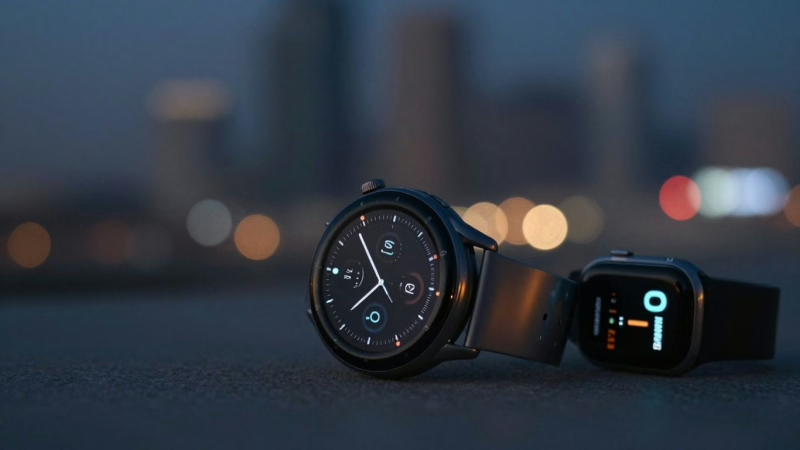
The Ultimate Smartwatch Guide: Top Picks for 2026
So, you're looking for a new smartwatch in 2026? It feels like there are a million options out there, and honestly, picking the right one can be a bit of a headache. We've spent a ton of time with the latest models from all the big names, putting them through their paces to see what actually works and what's just hype. Whether you're all about fitness tracking, need to stay connected, or just want a cool gadget on your wrist, we've got you covered. This guide breaks down the top smartwatches that really impressed us this year, focusing on what makes each one a winner.
Key Takeaways
- The Apple Watch Ultra 3 is considered the top overall smartwatch for 2026.
- For most iPhone users, the Apple Watch Series 11 is the best all-around choice.
- Android users have strong options like the Google Pixel Watch 4 and Samsung Galaxy Watch 8.
- There are also premium choices like the Samsung Galaxy Watch Ultra for those wanting more.
- Budget-friendly smartwatches like the Apple Watch SE 3 and Huawei Watch Fit 4 are also highlighted.
1. Apple Watch Ultra 3
Alright, let's talk about the Apple Watch Ultra 3. If you're someone who likes to push boundaries, whether that's hiking a new trail or just trying to get through a really busy week without charging your watch every single night, this is probably the one you've been waiting for. Apple really doubled down on making this thing tough and capable.
The biggest news is the addition of satellite connectivity and 5G, which is a pretty big deal for safety when you're way out there with no cell service. It feels like a solid step up in peace of mind. Plus, they've managed to squeeze in a bit more battery life – we're looking at around 42 hours of use, which, let's be honest, is a game-changer compared to the regular Apple Watches. It's not quite Garmin territory with a week of power, but for an Apple Watch, it's seriously impressive.
Here's a quick look at what makes it stand out:
- Built Tough: The 49mm titanium case is ready for whatever you throw at it, and it's surprisingly comfortable, even for sleeping.
- Brighter Display: The screen is a bit bigger and brighter, making everything easier to see, even in direct sunlight.
- Safety First: Beyond the satellite feature, it's packed with health monitoring tools like hypertension notifications and improved sleep tracking.
- Action Button: This physical button is super handy for quick access to your favorite workout or feature.
It's not a cheap watch, not by a long shot. And if you're already rocking an Ultra 2, it might not be a must-have upgrade. But for anyone coming from an older model or wanting the most robust Apple Watch experience available, the Ultra 3 is definitely the top dog.
This watch feels like Apple finally decided to make a smartwatch that can genuinely keep up with an adventurous lifestyle without making you compromise on the smart features you expect. It's rugged, it's smart, and it's got that safety net you might need when you're exploring.
It's really aimed at folks who need something more durable and with better battery life than the standard models, but still want that super smooth integration with their iPhone. Think serious athletes, outdoor enthusiasts, or even just people who forget to charge their watch regularly.
2. Apple Watch Series 11
Alright, let's talk about the Apple Watch Series 11. If you're an iPhone user and you're looking for a smartwatch that just works and does a little bit of everything really well, this is probably your best bet. It's not trying to be some super rugged watch for extreme sports, but for everyday life, workouts, and keeping tabs on your health, it's pretty solid.
The Series 11 really hits that sweet spot for most people, balancing features, design, and ease of use. It takes what was good about the Series 10 and just polishes it up a bit more. You get a slightly bigger, brighter screen, which is always nice, and the battery life is a bit better, too. Plus, they've added some neat health features that could actually be pretty important.
Here's a quick rundown of what you get:
- Improved Health Monitoring: This year, the Series 11 brings FDA-approved hypertension notifications. It can sense if your blood pressure is running high, which is a pretty big deal. It also keeps up with sleep tracking, giving you a 'Sleep Score' to see how well you rested.
- Workout Buddy: If you need a little nudge to keep going during a run or workout, the new 'Workout Buddy' feature uses an AI voice to cheer you on and give you updates. It's surprisingly motivating.
- Connectivity Boost: It now supports 5G, meaning faster downloads and better performance when you're away from your phone. Also, there are new satellite features for emergency situations, which is a nice safety net to have.
- Design Options: Apple always nails the look, and the Series 11 is no different. You've got a good range of sizes and finishes, and if you're into fashion, there are plenty of bands, including some fancy ones, to match any outfit or occasion.
Key Specs:
| Feature | Specification |
|---|---|
| Phone OS | iOS Only |
| Watch OS | watchOS |
| Processor | Apple S10 |
| Display Sizes | 1.65 inches / 1.81 inches |
| Battery Life (Test) | Up to 30 hours |
| Connectivity | Wi-Fi, Bluetooth, GPS, 5G |
While it's not a massive leap from the previous model, the Series 11 refines the experience. The added health alerts and slightly better battery make it a worthwhile upgrade for many, especially if you're coming from an older Apple Watch. It's the dependable choice that just keeps getting better.
So, yeah, if you're in the Apple ecosystem and want a smartwatch that's reliable, looks good, and keeps you informed about your health and fitness, the Series 11 is a really strong contender. It's the smartwatch that most iPhone users will be perfectly happy with.
3. Google Pixel Watch 4
Alright, let's talk about the Google Pixel Watch 4. If you're rocking an Android phone, especially a Pixel, this is probably the one you've been waiting for. Google really stepped up its game with this iteration, making it feel more complete than ever.
First off, the design is just chef's kiss. That curved display under the domed glass? It looks super sleek and definitely stands out from the usual flat screens. It’s got all the essentials covered: calls, texts, payments, even controlling your smart home gadgets. Plus, you can really make it your own with a ton of apps.
The biggest win here is the integration with Fitbit. It’s not just basic step counting; you get things like a Readiness Score and Cardio Load metrics. These tell you if you’re pushing too hard or if you’re ready for a serious workout. It’s like having a little coach on your wrist, helping you avoid burnout and actually make progress.
Here’s a quick look at what makes it tick:
- Display: A gorgeous, curved domed screen that’s more scratch-resistant.
- AI Assistant: Gemini is genuinely helpful for questions and commands, way better than just a basic assistant.
- Fitness Tracking: Deep insights from Fitbit, including readiness scores and workout targets.
- Charging: It’s faster now, getting you juiced up in no time.
- Build: It’s designed to be more repairable, which is a nice touch for sustainability.
Battery life is pretty solid too. We’re seeing around two days of use, even with the always-on display active, which is a big improvement for many smartwatches out there. It also boasts impressive GPS and heart rate accuracy, so your workouts are tracked precisely.
While it works with any Android phone, pairing it with a Pixel device unlocks a few extra perks, like better camera controls and call screening. It really feels like the most polished Wear OS watch Google has put out, and for Android users, it’s a seriously compelling option.
4. Samsung Galaxy Watch 8
Samsung's Galaxy Watch 8 is a pretty solid smartwatch, especially if you're an Android user. It feels like a real step up from the previous models, mostly thanks to the integration of Google's Gemini AI. Honestly, it makes Bixby feel like a relic from the past; Gemini actually handles complex questions and tasks without a fuss. It's available in 40mm and 44mm sizes, and they've updated the design to look a bit cleaner.
This watch packs a lot of health tracking features. You get the usual stuff like heart rate and sleep tracking, but they've added some new things like a 'Vascular Load' metric for heart health and even a skin analysis tool that measures antioxidant levels. There's also an AI running coach, which could be handy if you're trying to get into running or just want some guidance. For navigation, the physical rotating bezel is still a favorite – it's just so satisfying to use.
Here's a quick look at some of the health features:
- Antioxidant Index measurement
- AI-powered Running Coach
- Vascular Load for heart health insights
- Sleep tracking with sleep apnea detection (FDA-cleared)
- ECG and irregular heart rhythm notifications (requires Samsung phone)
Battery life is still the Achilles' heel for the Galaxy Watch line, and the Watch 8 isn't a huge leap forward. You'll likely be charging it daily, especially if you use the always-on display or track workouts regularly. Fast charging helps a bit, giving you a few hours of use from a 15-minute charge, but it doesn't completely solve the daily charging hassle.
Overall, the Galaxy Watch 8 is a really good option if you want a stylish smartwatch with smart AI features and a strong health tracking suite. Just be prepared to keep that charger handy.
5. Apple Watch SE 3
The Apple Watch SE 3 is kind of the sweet spot for a lot of people, especially if you've got an iPhone and you're not looking to spend a fortune. It really packs a punch for its price point, giving you a lot of what makes the pricier Apple Watches great, but without all the bells and whistles you might not even use.
It's basically the core Apple Watch experience, made more accessible.
What's really cool is that it uses the same S10 chip found in the top-tier Ultra 3. This means it's super snappy, apps load fast, and you get all the latest software features, like that neat 'Double Tap' gesture. You also get an always-on display now, which is a big upgrade from older SE models. Plus, it's got some handy health features like temperature sensing for cycle tracking and alerts for irregular heart rhythms. For safety, it includes Emergency SOS and fall detection.
Here's a quick look at what you get:
- Performance: S10 chip for speed and smooth operation.
- Display: Always-on Retina display.
- Health & Safety: Temperature sensing, irregular rhythm notifications, fall detection, Emergency SOS.
- Connectivity: 5G support for faster downloads when you're out and about.
- Software: Runs the latest watchOS with features like Sleep Score and Workout Buddy.
Of course, it's not perfect. The battery life is still just a single day, so you'll be charging it every night. And you won't find advanced health stuff like ECG or blood oxygen monitoring. It also sticks with standard GPS, not the dual-frequency kind. But for most everyday users, these trade-offs are totally fine.
If you're new to smartwatches or just want a reliable Apple Watch that does all the important things without breaking the bank, the SE 3 is a really solid choice. It's also a great option for kids, as parents can manage it remotely through Family Setup.
6. Samsung Galaxy Watch Ultra
Samsung's Galaxy Watch Ultra is their answer to those who need a smartwatch that can keep up with a more demanding lifestyle, whether that's hitting the trails or just needing something a bit tougher for daily wear. It's built like a tank, but still packs a lot of smarts.
This watch really shines when you look at its build quality and durability. It sports a titanium case and a sapphire glass face, which means it can take a beating and still look good. Plus, it's water-resistant up to 100 meters, so swimming or even just getting caught in a downpour isn't a worry. For folks who are into serious outdoor activities, this is a big deal.
When it comes to tracking your workouts, the Galaxy Watch Ultra doesn't mess around. It offers accurate dual-band GPS for mapping your runs or hikes, and it includes some pretty advanced sports tracking features. You can even chain together different workouts, which is handy for structured training. It also comes with all the usual health tech, like heart rate monitoring and sleep tracking.
Battery life is another strong point. You can expect it to last a little over two days on a single charge, which is pretty good for a watch this feature-packed. This means less time tethered to a charger and more time on your wrist, tracking your adventures.
While it's a solid contender for Android users looking for a rugged smartwatch, it's worth noting that the software can feel a bit clunky at times, and some smart features you might expect aren't quite there yet compared to other high-end options. The large 47mm size might also be a bit much for those with smaller wrists.
Here's a quick look at what makes it stand out:
- Durable Construction: Titanium case and sapphire glass for toughness.
- Advanced GPS: Dual-band GPS for precise location tracking.
- Water Resistance: Rated for up to 100 meters.
- Extended Battery: Lasts over two days on a charge.
- Sports Focus: Features for serious athletes and outdoor enthusiasts.
If you're an Android user who needs a smartwatch that can handle more than just casual use and want a device that feels premium and robust, the Samsung Galaxy Watch Ultra is definitely worth considering.
7. Garmin Venu 3
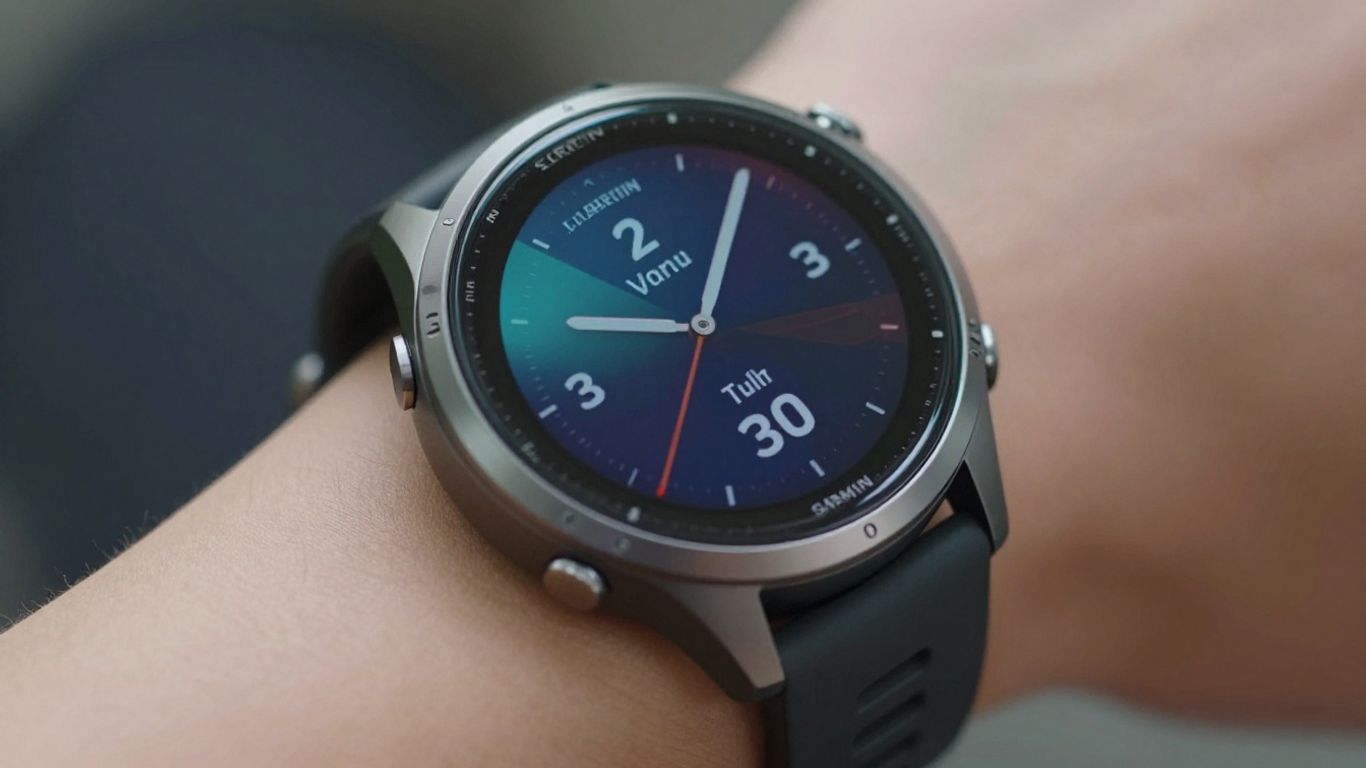
The Garmin Venu 3 is a solid contender if you're looking for a smartwatch that really leans into fitness and health tracking without demanding a subscription for all the good stuff. It's got this great battery life – seriously, you can go about a week without charging, which is pretty wild compared to some others out there.
It plays nice with both iPhones and Android phones, which is a big plus. You get all the usual Garmin goodies: tough build, physical buttons (which I actually prefer sometimes), and detailed fitness stats. Plus, it's a bit sleeker than some of their more rugged models, and they even offer a smaller size, which is nice for folks with smaller wrists or who just like a less bulky watch.
Here's a quick look at what it offers:
- Health Monitoring: Tracks sleep quality, blood oxygen levels, ECG, and even has a specific mode for wheelchair users. It also keeps an eye on your heart rate and skin temperature.
- Wellness Tools: Features like Body Battery help you understand your energy levels based on sleep, stress, and activity. The Morning Report gives you a rundown of your sleep and readiness for the day.
- Workout Tracking: A huge variety of sports profiles are built-in, from running and cycling to strength training and yoga. You can even get preloaded workout guidance.
- Battery Life: Up to 7 days on a single charge with typical use.
While the Venu 3 doesn't feel quite as fancy as some of the pricier options, and the app selection isn't as vast as, say, an Apple Watch, it really shines in its core functions. The software might take a little getting used to if you're coming from a different brand, but the practical health and fitness tools are genuinely useful and don't cost extra.
It's a great pick if you want deep insights into your fitness and wellness without a complicated setup or constant charging.
8. OnePlus Watch 3
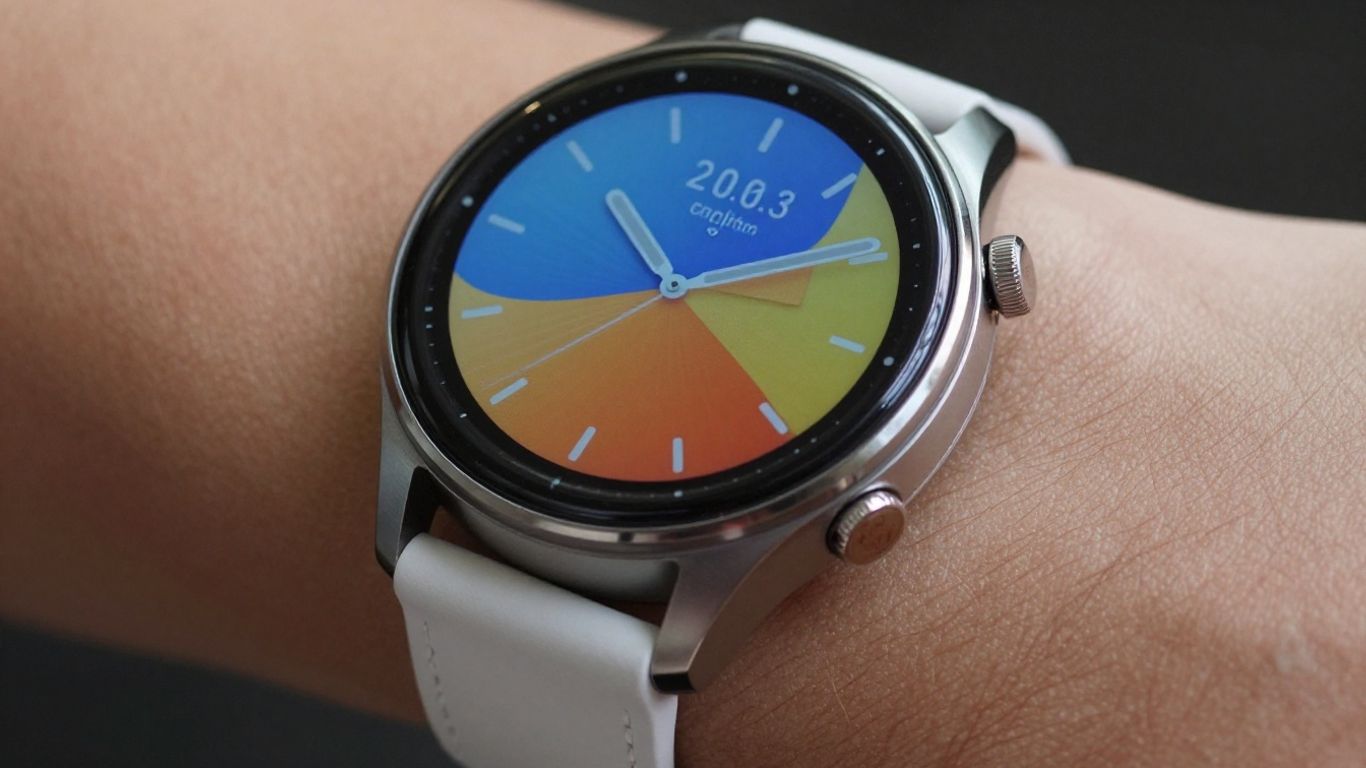
Alright, let's talk about the OnePlus Watch 3. This one's a bit of a powerhouse, especially if you're tired of charging your watch every single night. It boasts an impressive battery life, often lasting around five days, which is pretty wild for a Wear OS device. That's thanks to a clever dual-OS setup – Wear OS for all the fancy apps and a simpler system for background stuff.
It's got a pretty solid build, usually a stainless steel and aluminum combo, giving it a premium feel. The screen is a decent size, a 1.5-inch AMOLED, which looks sharp. However, and this is a big 'however' for some, it's only available in one size, a 46mm. So, if you've got smaller wrists, this thing might feel a bit chunky.
When it comes to health tracking, it's got the usual suspects: heart rate, blood oxygen (SpO2), sleep tracking, and even fall detection. They've also thrown in some AI-powered wellness insights, which is kind of neat, though how much you'll actually use that is up for debate.
Here's a quick rundown of what it offers:
- Battery Life: Up to 5 days on a single charge is the headline.
- Display: A bright and clear 1.5-inch AMOLED screen.
- Build: Premium stainless steel and aluminum construction.
- Health Features: Heart rate, SpO2, sleep tracking, fall detection, and wellness insights.
- Compatibility: Works with Android phones.
One thing to keep in mind is that while it runs Wear OS, some features, like ECG, might not be available in all regions, and there's no LTE option currently. It's definitely geared more towards Android users who want a watch that looks good and lasts a long time between charges, without needing to break the bank like some other premium options.
9. Amazfit Bip 6
Alright, let's talk about the Amazfit Bip 6. If you're looking for a smartwatch that won't break the bank but still gets a lot of the important stuff right, this one's worth a look. It's definitely one of the more budget-friendly options out there, and honestly, it packs a surprising amount of features for the price. You're not getting the super fancy design or the slickest interface you'd find on a much more expensive watch, but that's a trade-off most people will be okay with.
The Amazfit Bip 6 is a solid choice for anyone dipping their toes into the smartwatch world without wanting to spend a fortune.
What you do get is pretty good fitness tracking. It's got the basics covered, and you can even tweak some of the training tools, like setting up heart rate zones. Plus, it throws in some more advanced health monitoring, which is pretty neat for this price point. We're talking about checking your blood oxygen levels (SpO2), keeping an eye on your wrist temperature, and tracking your sleep patterns. It'll even give you alerts if your heart rate goes too high or too low.
Here's a quick rundown of what it offers:
- Health Monitoring: Tracks heart rate, SpO2, wrist temperature, breathing rate, sleep, and stress levels. It also includes menstrual cycle tracking.
- Fitness Tracking: Comes with GPS and various activity modes to log your workouts.
- Battery Life: Expect around a week or more on a single charge, which is pretty fantastic.
- Compatibility: Works with both Android and iOS phones.
This watch is a great starting point. It does all the core smartwatch things well enough that you can figure out if you even want all the bells and whistles of a pricier model. You might need to spend a little time setting it up just how you like it, but that's part of the fun for some people.
So, if you're curious about smartwatches but don't want to commit to a big purchase, the Bip 6 is a really sensible option. It's proof that you don't always need to spend a lot to get a useful gadget on your wrist.
10. Huawei Watch Fit 4
Alright, let's talk about the Huawei Watch Fit 4. This one really surprised me, honestly. For a watch that doesn't break the bank, it looks and feels way more expensive than it is. The case design is pretty slick, and it's got this nice, thin profile that sits comfortably on your wrist. Plus, the screen? It's a big, bright AMOLED display that's easy to see even when you're out in the sun. It's a solid choice if you want a good-looking watch without spending a fortune.
What really sets this watch apart, though, is its fitness tracking. It's got accurate GPS, which is pretty rare for watches in this price range, and you can even load offline maps onto it. This makes it a genuinely capable sports watch, not just something that counts your steps. It handles all your health and workout data reliably, which is great if you're serious about your fitness.
The trade-off for the low price and great fitness features is that the smart features are pretty basic. Don't expect a huge app store or the ability to pay for things with your watch. But, this simplicity means the battery lasts ages. You can easily get a full week out of it, or about four days if you use the always-on display a lot.
Here's a quick look at what it offers:
- Display: Large 1.82-inch AMOLED screen
- GPS: Accurate dual-frequency GPS
- Battery Life: Up to 7 days on a single charge
- Durability: Comfortable aluminum alloy case
If you're looking for a stylish fitness tracker that can also handle some smartwatch duties, the Huawei Watch Fit 4 is a really strong contender. It balances design, features, and price really well. You can check out more details on Huawei's official site.
There's also a 'Pro' version, but for most people, the standard Watch Fit 4 is probably the better value.
So, Which Smartwatch Is Right for You?
Alright, so we've gone through a bunch of smartwatches, from the fancy ones to the more budget-friendly options. It's pretty clear there's something out there for pretty much everyone these days. Whether you're all about tracking every single workout, need a constant connection to your phone, or just want something that looks good on your wrist, the tech is definitely there. Don't stress too much about picking the 'perfect' one; the best choice really just depends on what you need it for. Take a look back at what we talked about, think about your own daily routine, and you'll find a watch that fits right in.
Frequently Asked Questions
What's the main difference between a regular smartwatch and a high-end one like the Apple Watch Ultra 3?
Think of it like this: a regular smartwatch is like a basic phone, while a high-end one is like a super-powered smartphone. The Ultra 3, for example, is built tougher for extreme activities, has a bigger battery, and offers more advanced features for athletes and adventurers, all in a more rugged package.
Can I use an Apple Watch if I have an Android phone?
Unfortunately, no. Apple Watches are designed to work only with iPhones. If you have an Android phone, you'll want to look at smartwatches from Google, Samsung, or other brands that use Wear OS or their own operating systems.
How do I know which smartwatch will work best with my phone?
It's pretty simple! If you have an iPhone, Apple Watches are your best bet for a smooth experience. For Android phones, look for watches that run Wear OS (like Google Pixel Watch or Samsung Galaxy Watch) or watches from brands that specifically mention Android compatibility.
Are smartwatches good for tracking fitness?
Absolutely! Most smartwatches today are excellent at tracking workouts, counting steps, monitoring your heart rate, and even checking your sleep. Some are super specialized for serious athletes with advanced features, while others are great for everyday health monitoring.
How long do smartwatch batteries usually last?
Battery life can really vary. Some basic smartwatches might last a few days on a single charge. More advanced ones, especially those with bigger screens or lots of features, might need charging every day or two. The rugged models, like the Apple Watch Ultra, often boast the longest battery life, sometimes lasting several days.
Are there any smartwatches that are good for people on a budget?
Yes, definitely! Brands like Amazfit and Huawei often have models that offer a lot of great features without costing a fortune. Even Apple has its SE line, which is a more affordable option compared to their premium models, while still giving you a solid smartwatch experience.