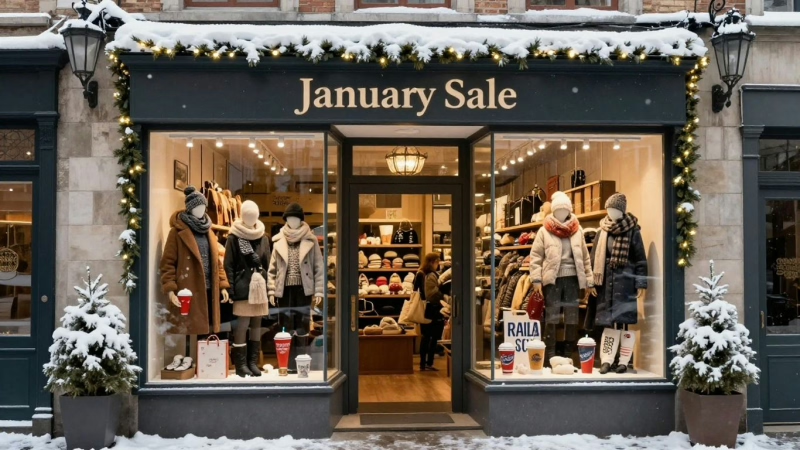
Belgian January 2026 Sales: Your Guide to Winter Discounts
The start of a new year often means one thing for shoppers in Belgium: the highly anticipated January sales. Get ready for some serious deals as stores slash prices to clear out winter stock. This is the prime time to snag those items you've been eyeing, but it's also smart to shop with a plan. We'll break down when the soldes belgique janvier 2026 officially kick off, what you need to know about the rules, and how to make the most of the discounts without overspending.
Key Takeaways
- Belgian winter sales, known as 'soldes' or 'solden', have a strict legal start date, set for Saturday, January 3, 2026.
- There's a mandatory 'waiting period' before the sales begin, during which clothing, footwear, and leather goods retailers cannot advertise price reductions.
- To legally call something 'sales', it must be during one of the two official periods (winter or summer) and represent genuine price reductions from a previous price.
- Shoppers should be mindful of conscious consumption, focusing on quality and need rather than just impulse buys driven by discounts.
- Exploring Brussels during sale season offers opportunities to visit local markets and discover unique shopping districts alongside the main sales events.
Understanding Belgian January Sales 2026
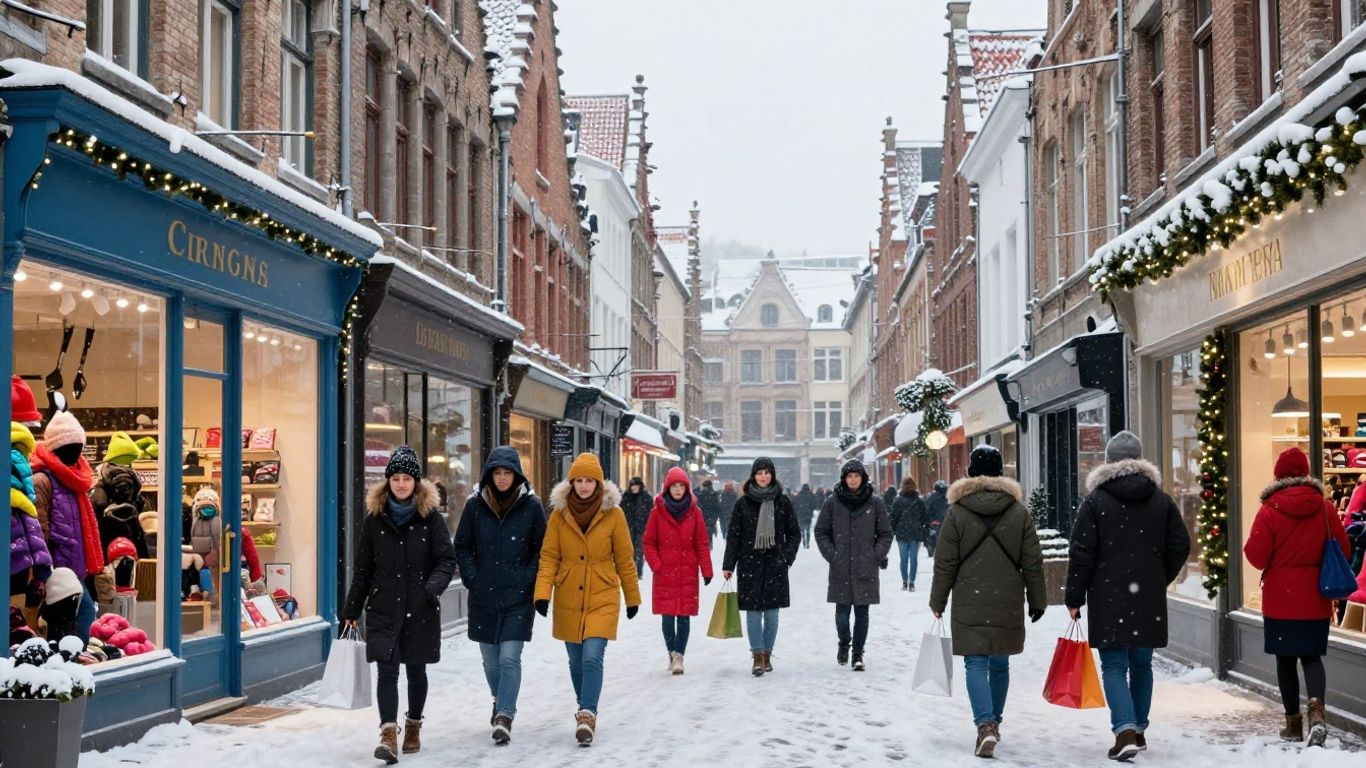
The start of a new year in Belgium brings with it the much-anticipated January sales, a period when retailers significantly reduce prices to clear out winter stock and attract shoppers. These sales are not just a free-for-all discount event; they operate within a specific legal framework. Understanding these rules is key for both consumers and businesses to ensure a smooth and fair shopping experience. The official dates are set by law, meaning you can't just slap a 'sale' sticker on items whenever you feel like it. This structured approach helps maintain the integrity of the sales period and prevents confusion throughout the year. Consumers in Belgium are frequently exposed to discounted-price campaigns, with winter and summer sales being prominent examples. This constant exposure highlights the importance of understanding the legal framework for Belgian sales.
Legal Framework for Belgian Sales
In Belgium, the term 'sales' or 'solden'/'soldes' is legally protected. It can only be used during two specific, government-defined periods each year: winter and summer. Outside these times, retailers can run promotions, but they can't call them 'sales'. This distinction is important. It means that during the official sales, businesses are allowed to sell items at a loss, which is generally not permitted otherwise. This regulation ensures that the 'sales' period is a genuine opportunity for clearing stock and offering significant price reductions, rather than a constant marketing tactic.
The Official Start Date for Winter Sales
The 2026 winter sales officially kick off on Saturday, January 3rd. If the official start date happens to fall on a Sunday, the sales are permitted to begin the day before, on Saturday. This ensures that the sales period can commence with a full shopping day. The sales are legally mandated to run for a specific duration, typically concluding at the end of January. So, mark your calendars for January 3rd – that's your official green light to start hunting for deals.
Navigating the Pre-Sale Waiting Period
Before the official sales begin, there's a legally enforced waiting period, particularly for the clothing, footwear, and leather goods sectors. During this time, it's prohibited to advertise or conduct sales. This 'quiet' period serves a purpose: it prevents retailers from running continuous sales and ensures that the official sales periods stand out. It gives consumers a break from constant discount messaging and builds anticipation for the main event. Think of it as a brief pause before the shopping frenzy truly begins.
Maximizing Your Savings During the Sales
So, the Belgian January 2026 sales are here! It's that time of year when prices drop, and the temptation to grab a bargain is real. But how do you make sure you're actually saving money and not just spending it on things you don't need? Let's break it down.
When Discounts Deepen Throughout January
Don't expect the biggest discounts on day one. Sales often start with more modest price cuts, maybe 10-20% off. As January progresses, especially towards the end, retailers tend to slash prices further to clear out remaining stock. You might see discounts jump to 30%, 50%, or even more. However, there's a trade-off: the selection of sizes and styles shrinks considerably. If you're eyeing a specific item, waiting too long could mean it's gone.
Here's a general idea of how discounts might evolve:
| Week of January | Typical Discount Range |
|---|---|
| Week 1 | 10% - 30% |
| Week 2 | 20% - 40% |
| Week 3 | 30% - 50% |
| Week 4 | 40% - 70%+ |
Strategic Shopping for Best Deals
To really get the most bang for your buck, a little planning goes a long way. First, make a list of what you actually need or have been wanting for a while. This stops you from getting sidetracked by random deals. Think about items that are well-made and versatile, things you'll use often, not just for a season. Check prices online before you head to the store, or even during your shopping trip, to see if you're getting a genuine deal. Sometimes, retailers will mark items up slightly before the sale to make the discount look bigger than it is.
- Make a List: Know what you need before you start.
- Compare Prices: Check online and in different stores.
- Focus on Quality: Look for durable items that will last.
- Check Return Policies: Understand the rules for sale items.
The sales period is a fantastic opportunity to refresh your wardrobe or pick up those items you've had your eye on. However, it's easy to get caught up in the excitement and overspend. By approaching the sales with a clear plan and a focus on genuine value, you can ensure your purchases are both satisfying and smart.
Avoiding Impulsive Purchases
It's so easy to see a big red 'SALE' sign and just grab something. But ask yourself a few questions before you hit the checkout: Do I really need this? Where will I wear/use this? Do I already own something similar? If you hesitate on any of these, it might be best to leave it on the shelf. The best deals are the ones you actually use. Remember, a discount doesn't make an unnecessary item suddenly necessary. Stick to your list and your budget. If you're shopping online, consider putting items in your cart and waiting a day before purchasing to see if the urge passes.
Conscious Consumption During Sales Periods
The January sales are here, and while the lure of deep discounts is strong, it's a great time to think about buying smarter, not just more. It’s easy to get swept up in the excitement of a bargain, but this period can actually be an opportunity to make more thoughtful purchases. Let's aim to make our spending count for something more than just a lower price tag.
Choosing Quality Over Quantity
Instead of grabbing everything that's marked down, take a moment to consider what you truly need and what will last. Think about building a wardrobe of pieces you'll love for years, not just for a season. This means looking beyond the immediate discount and focusing on the garment's construction and material.
- Assess your current wardrobe: What are you missing? What items do you wear most often?
- Look for timeless styles: Basics in neutral colors and classic cuts tend to stay in fashion longer.
- Check the fabric: Natural fibers like cotton, wool, and linen often wear better and feel nicer than synthetics.
The January sales don't have to be about impulse buys. They can be a chance to invest in well-made items that will serve you well, reducing the need for frequent replacements and ultimately saving you money and resources.
Sustainable Fashion Finds
Sales periods can be a good time to explore brands that prioritize sustainability. While these items might sometimes carry a higher price tag initially, discounts can make them more accessible. Keep an eye out for brands that are transparent about their manufacturing processes and the materials they use. You might find some great deals on clothing made from recycled materials or organic cotton. For example, looking for end-of-season Maniere de Voir items can be a smart move.
Making Meaningful Purchases
Ultimately, conscious consumption is about buying with intention. Ask yourself if you'll genuinely use the item, if it fits well, and if it aligns with your personal style and values. Just because something is on sale doesn't automatically make it a good purchase. Consider the longevity of the item and how it contributes to your overall wardrobe. Making a purchase that you feel good about, both in terms of the price and the item itself, is the real win during sale season.
Key Considerations for Retailers
Alright, so you're a retailer gearing up for the Belgian January 2026 sales. It's a busy time, and while the discounts are great for customers, there are some important rules and strategies you need to keep in mind to make sure everything runs smoothly and legally. It’s not just about slashing prices; it’s about doing it right.
Adhering to 'Sales' Regulations
This is a big one. When you announce a sale, you can't just make up a previous price. The "reference price" – the price you're comparing your sale price to – has to be real. Specifically, it's the lowest price you've actually sold the item for in the 30 days before the sale starts. If you're introducing a brand new item, that 30-day rule is shorter. Using a "recommended retail price" is okay, but you have to be super clear it's a comparison, not your own previous price. Misleading customers about the original price can lead to trouble.
- Reference Price Rule: Must be the lowest price charged in the last 30 days.
- Clear Communication: State if it's a comparison to RRP or your own previous price.
- No Fake Sales: Products labeled as 'sale' must have been offered at the higher price previously.
The authorities are watching closely. If you advertise a "-50%" discount, you better be able to show the math based on that real reference price. Otherwise, it could be seen as a misleading practice.
Managing Stock and Price Reductions
Think about what you're actually going to put on sale. You can't advertise a product at a super low price if you only have a handful in stock, knowing it'll sell out instantly. That's considered "bait advertising" and it's not allowed. The same goes for time-limited offers; they need to be genuinely time-limited. If you say "offer ends Sunday," it needs to end Sunday. Constantly running super-short "flash sales" can also be a problem if it feels like you're pressuring people to buy without thinking.
- Stock Availability: Ensure reasonable quantities for advertised sale items.
- Genuine Urgency: Time-limited offers must have a real end date.
- Progressive Discounts: You can increase discounts over 30 days using the same initial reference price.
Legal Compliance for Promotions
Beyond just the sales period itself, remember that general rules about advertising and consumer protection still apply. This includes things like not creating false urgency with phrases like "limited stock" or "while supplies last" unless it's actually true. If you're planning big promotional campaigns, it's often a smart move to have them reviewed by a legal expert beforehand. It can save you a lot of headaches down the line if there's any question about whether your promotions are on the up-and-up. Getting this right means customers trust you, and that's good for business long-term.
- Avoid Pressure Tactics: "Limited stock" claims must be accurate.
- Voucher Restrictions: Be aware of rules during the "waiting period" before sales.
- Seek Advice: Consider professional review for major campaigns.
Exploring Brussels During Sale Season
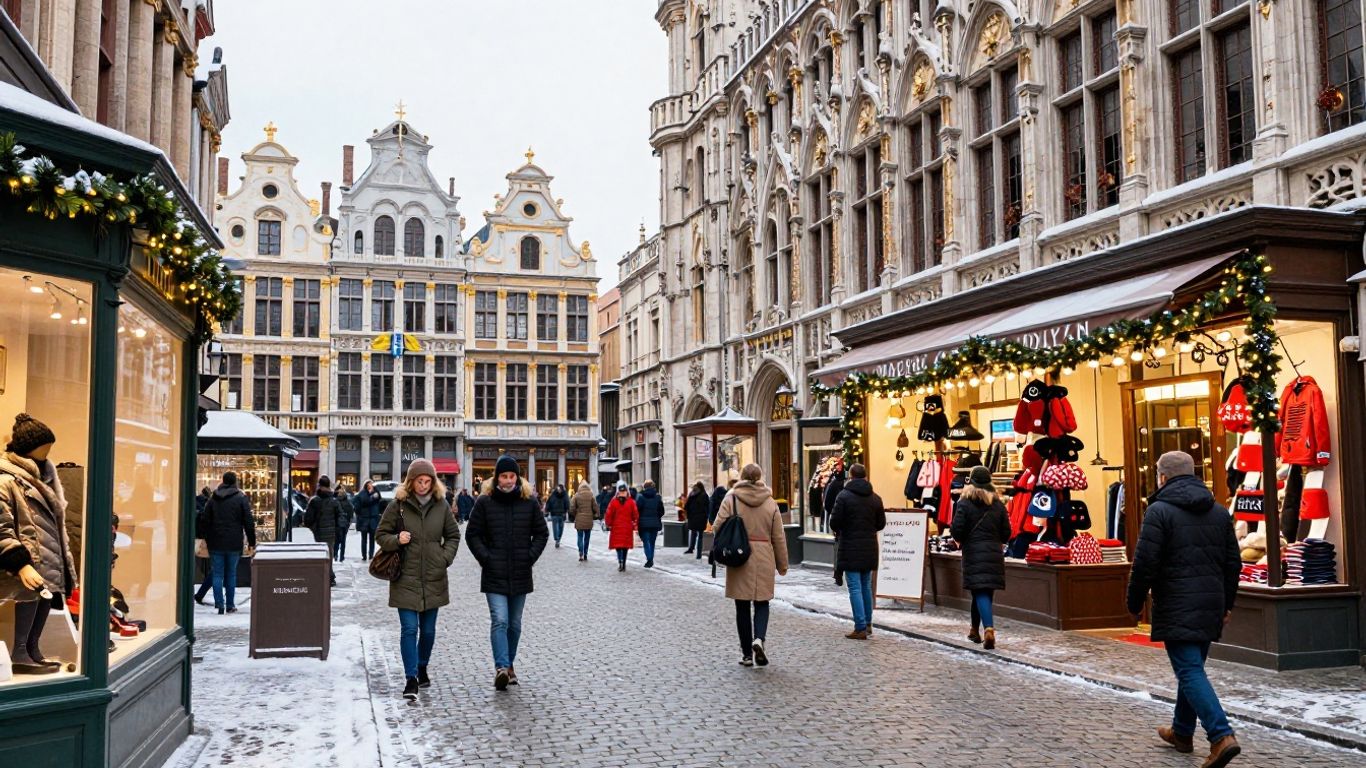
So, the January sales are on, and you're in Brussels. What's a savvy shopper to do besides hit the big department stores? Brussels has a lot more to offer than just the usual retail chains, especially when the prices drop. It's a great time to explore the city's unique shopping spots and maybe find something truly special.
Discovering Local Markets
Forget the predictable; Brussels' markets are where the real treasures hide, especially during sale season. You can find everything from fresh produce to handmade crafts, and sometimes, even clothing and accessories at a discount. It's a chance to support local vendors and get a feel for the city's everyday vibe.
Here are a few markets worth checking out:
- Marché du Parvis Saint-Gilles: Located in the Saint-Gilles area, this market is great for fresh food and local products. It's a lively spot, especially on weekend mornings.
- Marché des Abattoirs (Foodmet): If you're serious about food, this market in Anderlecht is a must. It's known for high-quality meats, cheeses, and other ingredients. You might even find some stalls selling souvenirs or local goods.
- Place du Jeu de Balle (Vieux Marché): This is the famous old market in the Marolles district. It's been around forever and is packed with antiques, art, and second-hand items. It's the perfect place to hunt for a unique find.
Navigating Brussels' Shopping Districts
Beyond the markets, Brussels has distinct areas that cater to different shopping styles. While the main shopping streets will undoubtedly have sales, exploring the side streets and smaller districts can lead to unexpected finds.
- The Marolles: Famous for its flea market, this district also has smaller shops selling antiques, vintage clothing, and quirky items. It's a great place to wander and see what turns up.
- Saint-Gilles: This area has a more bohemian feel, with independent boutiques and vintage stores. You might find some stylish clothing or unique home decor items here.
- Sablon: Known for its antique dealers and art galleries, the Sablon area is more upscale, but during sales, you might snag a deal on a piece of art or a collectible.
Experiencing Seasonal Markets
While the main sales run through January, Brussels often has lingering seasonal markets or special events that coincide with the winter period. Keep an eye out for pop-up markets or craft fairs that might still be running.
The real joy of shopping during the Brussels sales isn't just about the price tags. It's about the experience of discovery, the chance to explore different neighborhoods, and the possibility of finding something that truly speaks to you, far from the mass-produced items you see everywhere else.
Don't forget to check the specific opening days and hours for each market and district, as they can vary. The sales period is a fantastic excuse to get out and explore the diverse shopping landscape of Brussels.
Wrapping Up Your Winter Shopping
So, the Belgian winter sales of 2026 are officially here, running from January 3rd to the 31st. It's that time of year when shops offer those lower prices we all look forward to after the holiday rush. Remember, these sales are legally set, so it's a real chance to snag some deals. Whether you're hunting for specific items or just browsing, keep in mind that the best stuff often goes fast, and discounts might get bigger as the month goes on, but the selection shrinks. Think about what you actually need before you buy, and maybe look for pieces that will last beyond just this season. Happy shopping, and enjoy those winter bargains!
Frequently Asked Questions
When do the January 2026 sales officially start in Belgium?
The official start date for the Belgian winter sales in 2026 is Saturday, January 3rd. This marks the beginning of the period when shops are legally allowed to offer special discounts.
Can shops have sales before the official start date?
No, in certain areas like clothing and shoes, there's a 'waiting period' right before the sales begin. During this time, shops can't advertise or hold sales. This helps make sure everyone starts on a fair playing field when the sales officially kick off.
How long do the January sales usually last?
While the official sales period is set, how long each store keeps its sale going can differ. Many sales continue through January, and some might even stretch into early February. However, as the sales go on, the best deals might disappear, and popular items or sizes could sell out.
What's the difference between 'sales' and other discounts like 'special offers'?
In Belgium, the term 'sales' has a specific legal meaning and can only be used during the two set periods each year. Other discounts, like 'special offers' or 'reduced prices,' can happen at other times, but they can't be called 'sales' and must follow different rules about how prices are shown.
Are there any special markets or shopping areas to check out in Brussels during the sales?
Yes, Brussels has many markets! You can explore places like the Marché des Antiquaires du Sablon for art and antiques, or the Marché de la Place Sainte-Catherine for sustainable goods. The Grand Place also hosts a flower market. These offer a unique shopping experience beyond the usual stores.
Is it better to buy early or wait for deeper discounts during the sales?
It's a bit of a trade-off. Waiting might mean bigger discounts, but the best items and sizes could be gone. Buying earlier means you have more choices, but the discounts might be smaller. It's smart to know what you need beforehand and decide if getting it early is worth more than a potentially larger discount later.