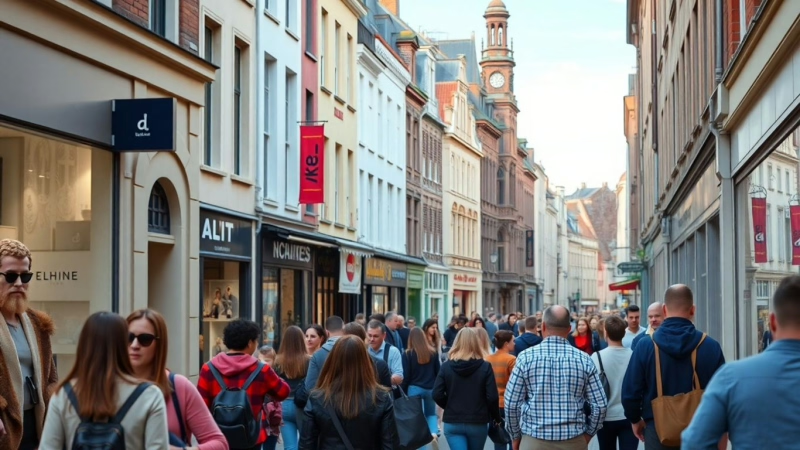
Shein Belgique: What to Know About Potential Pop-Ups and Stores
You might have seen Shein pop up online or maybe even heard whispers about potential physical stores in Belgium. It's a brand that's really taken off, but there's a lot going on behind the scenes. From how they sell things to what's actually in their clothes, there are some important things to know before you click 'buy' or get excited about a new Shein Belgique location.
Key Takeaways
-
Shein is facing warnings from the European Union about breaking consumer laws, including fake sales and unclear return policies. Belgian consumer groups are also looking into their practices.
-
The company uses tactics like countdown timers and games to encourage quick purchases, which some groups call 'aggressive' and designed to push more buying.
-
There are worries about hazardous chemicals found in Shein products, with some tests showing levels that go beyond what's allowed in the EU, raising health and environmental concerns.
-
Shein is actively trying to improve its image by engaging with politicians and launching initiatives focused on sustainability and supporting designers, though critics remain skeptical.
-
While Shein doesn't have permanent stores in Belgium yet, their online presence is huge, and they are exploring different retail strategies, including temporary pop-up shops.
Understanding Shein's Presence in Belgium
Shein, the online retail giant known for its ultra-fast fashion, has been making waves globally, and Belgium is no exception. While the company primarily operates online, there's a growing buzz about its potential physical presence, including pop-up shops and even permanent stores. This shift signals a broader strategy by Shein to connect with consumers in new ways.
Potential for Shein Pop-Up Shops
Pop-up shops are becoming a popular tactic for online brands to test physical retail and engage directly with customers. Shein has already experimented with this model in other European cities, like Paris, offering a temporary, immersive shopping experience. These short-term retail spaces allow shoppers to see and feel products before buying, bridging the gap between online convenience and in-person browsing. For Belgium, a pop-up could mean a chance for consumers to interact with the brand firsthand, potentially leading to increased brand loyalty and sales.
Shein's Evolving Retail Strategy
Shein's approach to retail is clearly changing. For years, they operated almost entirely online, focusing on rapid production and direct-to-consumer sales. However, as they face more scrutiny and aim for wider market acceptance, they're exploring different avenues. This includes:
-
Partnerships: Collaborating with other brands or retailers to expand reach.
-
Physical Touchpoints: Testing pop-ups and potentially larger store formats.
-
Digital Integration: Enhancing their online platform with more interactive features.
This evolution suggests Shein is looking to diversify its sales channels and build a more tangible brand presence. It's a move that acknowledges the desire some consumers have for physical shopping experiences, even in an increasingly digital world. The company's head of public affairs has mentioned a desire to explain their model and highlight their value, indicating a more open approach to engaging with the market Understanding Shein's Model.
The ultra-fast fashion model relies on quickly responding to trends, often driven by data analysis. This allows for the production of a vast number of new items daily, shipped directly to consumers. This speed and volume are key to their business, but also raise questions about sustainability and consumer practices.
As Shein considers its next steps in Belgium, understanding these shifts in their retail strategy is key to anticipating what their presence might look like in the future.
Navigating Shein's Commercial Practices
When you're browsing Shein, especially on their app, you might notice some tactics designed to keep you clicking and buying. It's a whole system built to encourage impulse purchases, and honestly, it can be pretty effective. They've gotten quite good at making you feel like you need to buy something right now or miss out.
One common thing is the constant barrage of notifications. It's not unusual to get a dozen alerts in a single day, reminding you about sales, new arrivals, or special offers. Then there are the countdown timers on deals, making it seem like a limited-time opportunity. They also use things like "false purchase deadlines" – basically, making you think a price is only good for a few more minutes, even if it's not really true. This creates a sense of urgency, pushing you to complete a purchase before you've really had a chance to think it over.
Concerns Over Aggressive Sales Tactics
These methods are what some groups call "dark patterns." It's not just about showing you products you might like; it's about actively nudging you towards buying more than you intended. Think about those pop-up messages that tell you not to leave the app, or you'll lose out on discounts. It’s a strategy to keep you engaged and spending.
Gamification and Purchase Pressure
Shein also uses games within its app, like "Puppy Keep," where you can earn points by playing and scrolling through items. The catch? You have to log in daily, or you lose your progress. This gamification is designed to make you come back regularly. The more you engage, the more you're exposed to products, and the more likely you are to buy. It's a clever way to build a habit of shopping on their platform. The European Union has taken notice, warning Shein about these practices that might break consumer protection rules. They're looking into whether these tactics are fair and transparent for shoppers across the bloc, and consumer rights groups are watching closely.
Transparency in Consumer Rights
Beyond the pressure to buy, there are also questions about how clear Shein is about your rights as a consumer. For instance, when it comes to returning items or getting refunds, the information provided can sometimes be unclear or even misleading. They might also use labels that suggest a product has special features, when in reality, those features are already required by law. This lack of straightforward information can make it difficult for shoppers to know exactly what they're entitled to. The EU has given Shein a month to respond to these concerns and explain how they plan to fix them, showing that there's a real push for more honesty in online retail.
Regulatory Scrutiny of Shein Belgique
European Union's Warning to Shein
The European Union has put Shein on notice, flagging several practices that seem to go against consumer protection rules within the bloc. This isn't just a friendly chat; the EU is serious about making sure companies play fair. They've given Shein a month to respond and explain how they plan to fix these issues. The investigation, which started back in February, involved consumer authorities from several countries, including Belgium. They're looking into things like fake countdown timers that pressure you to buy stuff fast, and unclear information about your rights if you need to return an item or get a refund. It’s a bit of a mess when you can’t easily figure out what your rights are as a shopper.
Belgian Consumer Authority Involvement
Belgium's own consumer protection agency is part of this larger EU investigation. They're working alongside other European countries to examine Shein's operations. This means that any issues identified at the EU level will also be relevant for Belgian consumers. The authorities are particularly concerned about how Shein presents information, especially regarding discounts and product claims. It's important for consumers in Belgium to be aware that their national authorities are actively involved in ensuring fair trade practices.
Addressing Misleading Information
One of the main points of contention is the information Shein provides, or sometimes fails to provide. This includes:
-
Deceptive Discounts: Using tactics like "limited-time offers" that aren't really limited, or showing prices that have been artificially inflated to make a discount look bigger than it is.
-
Confusing Consumer Rights: Not being clear about how to return products or get your money back. Sometimes, the information provided might even be incorrect, leaving shoppers unsure of their legal standing.
-
Misleading Sustainability Claims: Accusations have been made that Shein overstates the environmental benefits of its products, which can mislead consumers who are trying to make more eco-conscious choices.
The scrutiny highlights a growing trend where large online retailers are being held more accountable for their marketing and operational transparency. Consumers expect clear, honest information, and regulators are stepping in when that's not happening.
Shein has stated they are cooperating with these authorities to address the concerns raised. However, the EU has made it clear that if Shein doesn't make the necessary changes, there could be significant consequences, including potential fines.
Shein's Business Model and Impact
The Ultra-Fast Fashion Approach
Shein really changed the game when it comes to how quickly clothes can go from a trend to your closet. They're known for their "ultra-fast fashion" model. Basically, they watch what's popular online, especially on social media, and then they whip up new designs super fast. They don't just make a few of something; they can produce thousands of new items every single day. This means there's always something new to see, which keeps people coming back for more. It's a strategy that's helped them grow incredibly quickly, even outpacing some of the older, big fashion names.
Supply Chain and Production Methods
So, how do they do it so fast? Shein's production is mostly done in China, using a network of small workshops. They're really good at making small batches of many different items, which helps them test out what sells without making too much of anything that doesn't. This approach relies heavily on data – they track what's trending and what people are buying to decide what to make next. It's a very different way of doing things compared to traditional fashion brands that plan collections months in advance.
This constant stream of new products, combined with low prices, encourages shoppers to buy more frequently. It's a cycle that's hard to break once you're in it.
Economic Contributions and Criticisms
Shein's rapid rise has definitely made waves. On one hand, they claim to bring economic benefits, like creating jobs and supporting designers through programs like Shein X. They've even put out reports suggesting they contribute millions to economies and support thousands of jobs, though many of these are indirect. However, there's a lot of criticism too. Many established fashion companies feel Shein's business practices aren't fair, especially regarding how they handle taxes and sales reporting. Plus, the sheer volume of production raises questions about its impact on local fashion industries and the overall culture of consumerism.
Here's a look at some of their reported sales figures:
Year | Estimated Sales (USD Billions) |
|---|---|
2023 | ~30 |
2024 | ~38 |
It's important to note that Shein is pretty private about its exact financial details, so these numbers are often based on reports from sources like the Financial Times.
Shein's Environmental and Chemical Concerns
When you think about Shein, you probably picture trendy clothes at super low prices. But there's a whole other side to that business model that's raising some serious questions, especially when it comes to the environment and the chemicals used in their products. It turns out that some of the items you can buy might contain stuff that's not exactly great for us or the planet.
Hazardous Chemicals in Products
Reports have come out suggesting that Shein products have been found to contain hazardous chemicals. In some tests done on a bunch of Shein items, a percentage of them had chemicals that actually went over the legal limits set by the EU. We're talking about things like phthalates, which can be found in shoes, and formaldehyde, which showed up in a baby girl's dress. These findings point to a concerning disregard for health and safety risks in the rush to produce so many items so quickly. It's a bit of a shocker when you consider these are clothes meant for everyday wear, and even for babies.
Environmental Regulations and Compliance
This brings up the issue of whether Shein is actually following the rules. The EU has regulations, like the REACH Regulation, that set limits for certain chemicals in products sold in Europe. However, some analyses suggest that Shein might be breaking these rules. It's not just about the EU market, either; the production process itself, often happening in places like China, can have environmental impacts. The way these clothes are made, and the chemicals involved, can affect local water and the environment around the factories. It seems like the speed of production might be prioritized over making sure everything is up to standard.
Sustainability Claims and Initiatives
Shein has been talking more about sustainability lately, which is good, right? They've announced plans for investments aimed at improving working conditions and upgrading equipment in their supplier workshops. They also mention goals for using recycled materials, like aiming to have a certain percentage of their polyester be recycled by 2030 and even looking into producing their own recycled polyester. However, there's a lot of skepticism. Critics point out that the sheer volume of clothing produced and the rapid turnover of styles make it hard to believe these initiatives are enough to offset the environmental footprint. The ultra-fast fashion model itself is built on producing a massive amount of goods, and that creates waste and uses resources, no matter how much recycled material they claim to use.
The core issue seems to be the fundamental conflict between an ultra-fast fashion business model, which thrives on constant newness and high volume, and genuine environmental responsibility. While initiatives are being announced, the sheer scale and speed of Shein's operations raise doubts about their real-world impact on reducing pollution and waste.
Shein's Public Relations and Lobbying Efforts
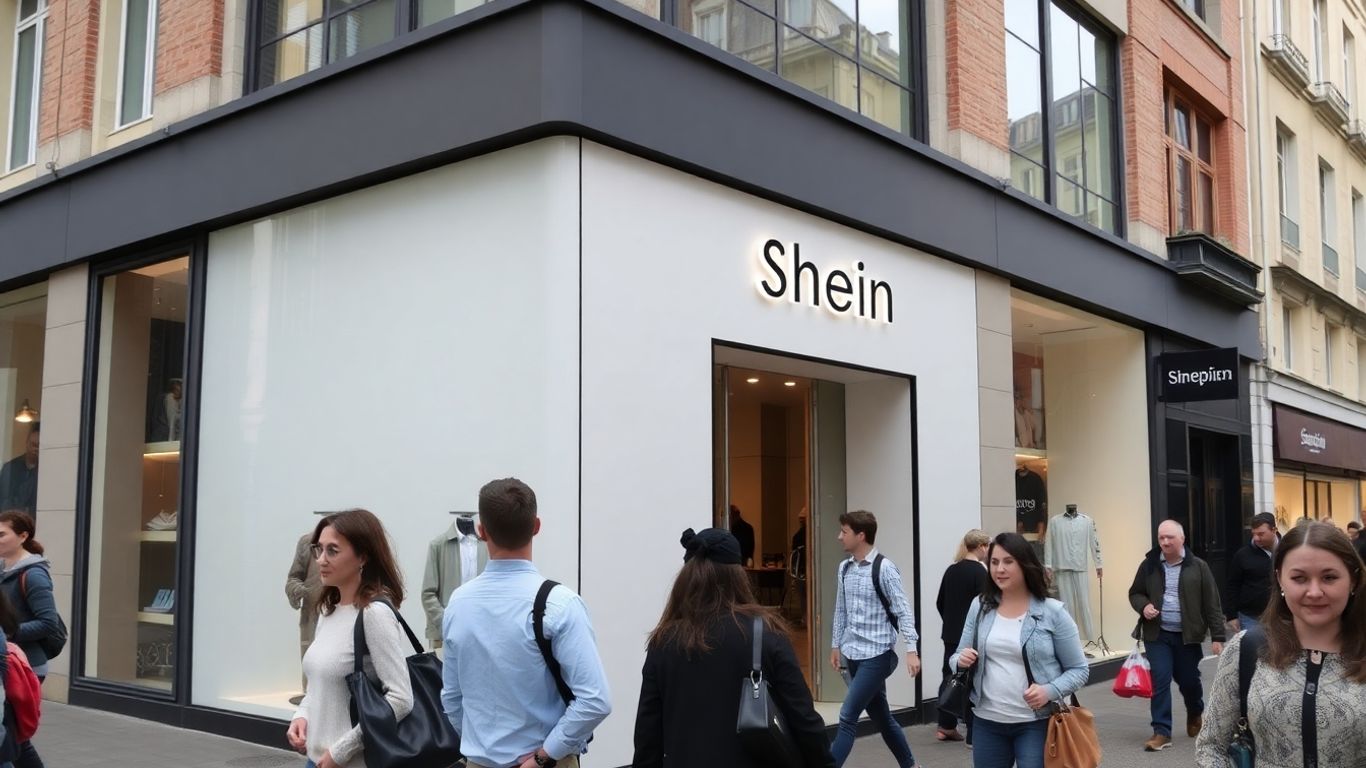
Strategies to Improve Brand Image
After years of operating somewhat under the radar, Shein is now making a concerted effort to shape its public perception. The company has been investing significantly in public relations, aiming to present a more favorable image. This includes hiring specialized firms and engaging with political figures, particularly in Europe. They've started talking more openly about their business model, trying to highlight what they believe makes them different and the value they offer. It's a clear shift from their previous rapid growth in the background.
Engaging with European Stakeholders
Shein has been actively reaching out to various groups across Europe. They've met with fashion industry representatives and political leaders to explain how their business works. The company has also brought on board some well-known former politicians and officials to help communicate their message. They often frame their discussions around four main points: social impact, economic effects on the fashion industry, innovation, and environmental considerations. This approach seems designed to address some of the criticisms they've faced.
Lobbying Activities in France and Beyond
In France, for instance, Shein has hired communications agencies to help them engage with policymakers. They've also been involved in public campaigns, sometimes running ads in local newspapers. These campaigns often link proposed regulations to potential impacts on consumer purchasing power, suggesting that new laws could make things more expensive for shoppers. The company also points to initiatives like their "Shein X" program, which supports young designers, as evidence of their positive contributions to the fashion ecosystem. They've even announced plans for a new office in Paris to support this program and integrate more brands.
-
Investment in PR Firms: Shein has reportedly spent millions of euros annually on public relations and lobbying efforts since around 2022.
-
Hiring Political Insiders: The company has recruited former government officials and advisors in key markets like the US and Europe.
-
Public Campaigns: Shein has launched advertising campaigns to influence public opinion and counter proposed legislation.
-
Industry Partnerships: Initiatives like the "Shein X" designer program are promoted to showcase support for creators.
The company is actively working to present its business model in a more positive light, emphasizing its economic contributions and efforts towards sustainability, while also engaging in direct lobbying to influence regulatory outcomes in key markets like France and the broader European Union.
So, What's the Takeaway on Shein in Belgium?
Alright, so we've talked a lot about Shein possibly showing up more in Belgium, whether through pop-ups or even permanent stores. It's clear they're a huge player, and their prices are hard to beat. But, as we've seen, there are definitely some big questions surrounding their business practices, from how they market things to concerns about the environment and worker conditions. The EU is looking closely at them, and that could mean changes down the line. For shoppers, it's a bit of a mixed bag. You get trendy clothes for cheap, but it's worth keeping those bigger issues in mind. Whether Shein becomes a bigger part of the Belgian shopping scene or not, it's a good reminder to think about where our clothes come from and how they're made.
Frequently Asked Questions
What is Shein and why might they open pop-up stores in Belgium?
Shein is a super popular online store that sells trendy clothes and accessories really cheap. They are known for always having new styles. While they mostly sell online, they sometimes open temporary stores, called pop-up shops, in different places. They might do this in Belgium to let people see and try on their clothes in person before buying them, and to create some buzz.
What are 'aggressive commercial practices' that Shein is accused of?
These are tricky ways stores try to get you to buy more stuff. For Shein, it includes things like using countdown timers that make you feel rushed to buy something, or sending lots of notifications to your phone. They also use things like games in their app that encourage you to keep scrolling and buying to win rewards. These tactics are designed to make people spend more money, sometimes without really thinking about it.
Is Shein in trouble with the European Union?
Yes, the European Union has warned Shein about some of its practices. They are looking into whether Shein follows the rules for selling to people in Europe. This includes checking if their sales tactics are fair, if they are honest about product information and customer rights, and if they are truthful about how eco-friendly their products are.
What is 'ultra-fast fashion' and why is it a concern?
Ultra-fast fashion describes companies like Shein that produce a huge amount of new clothing styles very, very quickly and sell them at very low prices. This is a concern because making so many clothes so fast can be bad for the environment. It also leads to a lot of waste and can put pressure on factory workers.
Are there any worries about the chemicals used in Shein products?
Some reports have found that certain products sold by Shein might contain hazardous chemicals. These chemicals could be harmful to both the people who buy the clothes and the workers who make them. There are also concerns that these chemicals might go against the rules set by places like the European Union.
How is Shein trying to improve its image?
Shein knows it has faced a lot of criticism. To make itself look better, the company is talking more with news reporters and government officials. They are also trying to show they care about the environment and workers by talking about new initiatives and investments. They also support young designers and try to position themselves as a company that helps the fashion industry innovate.