Ou Acheter Legumes Bio Pas Cher: Your Guide to Affordable Organic Produce
Finding good deals on organic produce can feel like a treasure hunt, right? It seems like every time you want to buy healthy, organic fruits and veggies, your wallet takes a hit. But don't give up! It's totally possible to eat well without spending a fortune. This guide will help you figure out where to buy organic produce without breaking the bank, focusing on smart shopping and savvy habits. We'll cover everything from store brands to farmers markets, and even how to grow some of your own.
Key Takeaways
- Look for store-brand organic items; they're often cheaper and just as good as name brands.
- Buying whole, unprocessed foods is usually more affordable than pre-packaged organic options.
- Farmers markets can offer deals, especially if you visit near closing time or build a relationship with growers.
- Shopping in season and prioritizing the 'Dirty Dozen' list helps you get the most bang for your organic buck.
- Consider growing your own herbs or vegetables, or cooking from scratch to save money.
Smart Shopping Strategies For Organic Produce
Buying organic doesn't have to mean emptying your wallet. It's all about being a bit more strategic with where and how you shop. You can definitely find good deals if you know where to look.
Leverage Store Brand Organic Options
Many grocery stores have their own lines of organic products. These store brands, like Kroger's Simple Truth or Whole Foods' 365 brand, are often significantly cheaper than national name brands. The USDA organic seal means they meet the same standards, so you're getting the same quality without the fancy packaging and marketing costs. It's a simple way to cut down your grocery bill without sacrificing your organic preference. Don't overlook these options; they're a real game-changer for budget-conscious shoppers.
Embrace Whole Foods Over Processed Alternatives
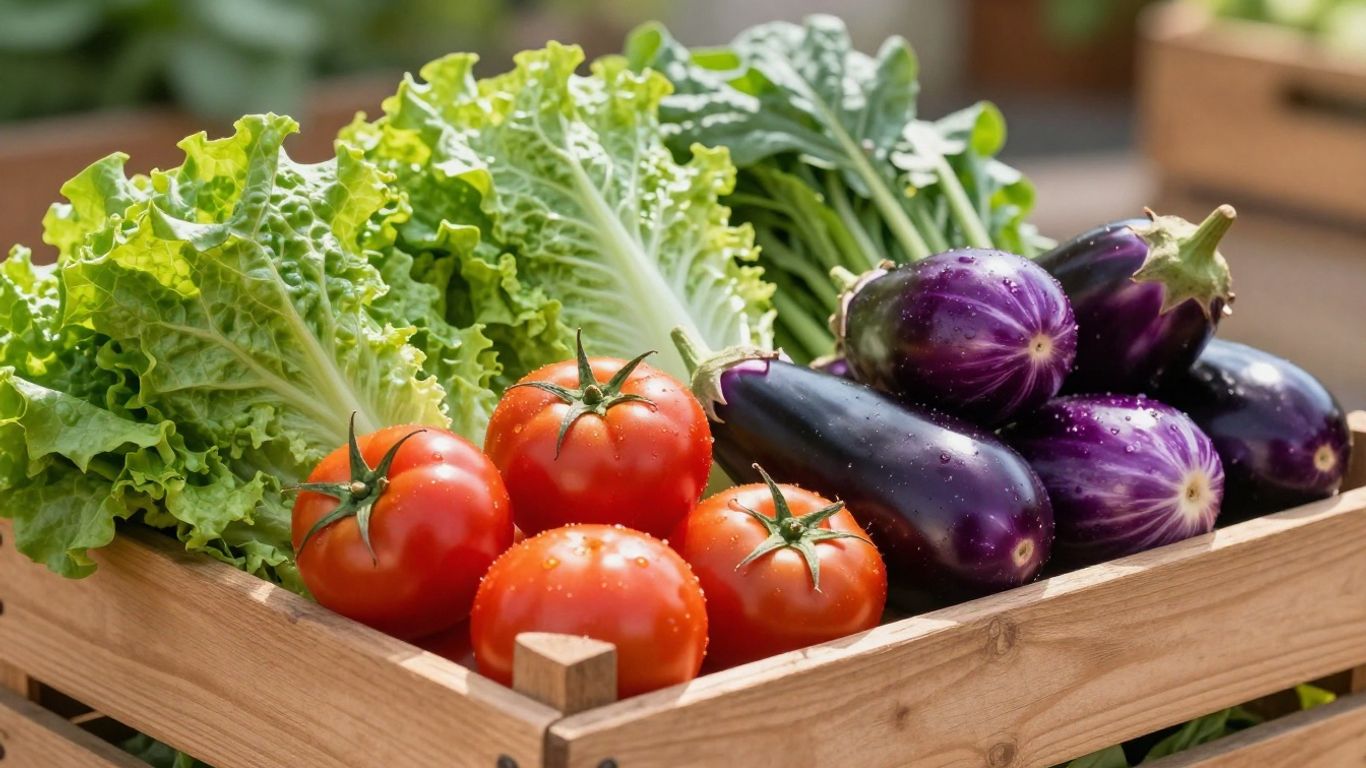
When you're aiming for organic on a budget, it's usually cheaper to buy produce in its natural state rather than in pre-cut or processed forms. Think about it: a whole head of organic lettuce is almost always less expensive than a bag of pre-shredded organic salad mix. The same goes for whole organic carrots versus baby carrots or organic potatoes versus pre-mashed potato flakes. You'll pay a premium for the convenience of pre-prepped items. Taking a few extra minutes to wash and chop your own vegetables can lead to noticeable savings over time. Plus, you often end up with less waste this way.
Discover Discounted Produce Sections
Keep an eye out for those marked-down bins or shelves in the produce department. Sometimes, stores will discount items that are perfectly good but might be slightly bruised, nearing their peak ripeness, or just overstocked. These are fantastic opportunities to grab organic fruits and vegetables at a fraction of the usual price. I've found amazing deals on organic berries and avocados this way. Just be sure to inspect them to make sure they're still usable for your planned meals. It's a great way to try new things too, without a big financial commitment.
Planning your meals around what's on sale is a smart move. If organic broccoli is a great price this week, build your dinners around that. It's a simple shift that can make a big difference in your overall food budget.
Finding Affordable Organic Groceries Online
Buying organic produce online doesn’t have to be expensive or overwhelming. With a little bit of planning and some savvy, you can save time and money while still getting organic fruits and vegetables delivered right to your front door. Here’s how you can stretch your budget and discover quality organic groceries online.
Explore Online Produce Delivery Services
Convenience is one of the best perks of online produce delivery—but prices can be just as competitive as your local stores. There are a range of fresh produce delivery sites, many with organic offerings. Look out for subscription boxes or curated selections that offer discounts if you agree to regular, recurring deliveries. Some services focus on "ugly" or surplus produce, giving you lower prices for fruits and vegetables that don’t meet grocery store standards in appearance, but have the same great taste.
- Many sites offer free shipping over a certain dollar amount—try bundling your orders.
- See if the box can be customized so you don’t get stuck with items your family won’t eat.
- Special promotions are common for first-time customers, so check before placing your order.
Even if the produce looks a bit odd, it’ll cook and taste just the same—your wallet won’t know the difference.
Utilize E-commerce Platforms for Deals
Just like brick-and-mortar stores, online supermarkets and organic-focused websites have store brands and flash sales. Sites like Lafourche’s organic shop are known for wide assortments and low prices across their catalog, especially for staples. Big online marketplaces let you filter by organic certification and sort by price or customer ratings, making it simple to spot bargains.
Here’s a quick rundown on why these sites often offer better deals:
| Platform Type | Typical Organic Deal | Additional Perks |
|---|---|---|
| Online Organic Markets | "Bulk buy" savings | Subscription price cuts, referrals |
| All-purpose e-commerce | Weekly flash sales | Coupons, membership points |
| Membership Clubs | Lower per-unit pricing | Free trials, welcome discounts |
- Sign up for their newsletters to get notified about flash deals.
- Use browser extensions or deal apps to check for coupon codes at checkout.
- Check if there’s a discount for recurring deliveries—sometimes you get 5-10% off.
Compare Prices Across Online Retailers
It’s easy to assume prices won’t vary much, but that's rarely the case. Take a little time to check prices on multiple sites before placing a big order. Services like eFarmz for Belgian organics or Lafourche in France may have dramatically different offers depending on the week, region, or product.
Here’s a simple approach that works:
- Decide on your top 5-10 produce items for the week.
- Compare unit prices on three major sites.
- Factor in delivery costs—sometimes a small extra order bumps you into free shipping or additional discounts.
- Note which platforms offer trial subscriptions or loyalty points, these can offset upfront prices.
Sometimes, splitting your orders between two retailers can end up being the most economical route overall.
With a few clicks and a comparison chart, you can easily spot which online store offers the best deal for your organic shopping list. It might take an extra ten minutes, but the savings add up over time.
Maximizing Savings At Local Markets
Shopping at local markets can be the way to go if you want affordable organic vegetables. It might take a bit more planning, but the benefits are worth it. You get fresh produce, a sense of connection to the people growing your food, and sometimes, even the chance to bargain a little. Let’s break down how to really stretch your dollars in these spots.
Visit Farmers Markets Towards Closing Time
If you go to the farmers market, consider showing up just before things wrap up. Many vendors would rather clear out their stock than haul it back to the farm, so those last minutes can be prime time for deals. The final hour is when prices often drop and vendors are more open to negotiation. Still, not every market is the same; in some places, sellers might not be as flexible, but it’s always worth a friendly ask. You can check out tips for late-day deals that might help boost your strategy.
- Arrive in the last hour of the market
- Ask politely if there are end-of-day discounts
- Be prepared to buy in bulk if vendors only discount larger quantities
Sometimes you’ll walk away with a bag full of veggies for just a few bucks—it really depends on the crowd and how much is left.
Build Relationships With Local Farmers
Getting to know the people who grow your food can lead to the best bargains. Small talk really does pay off. When farmers recognize you as a regular, they might set aside seconds (produce that’s slightly imperfect but still delicious) or let you know when big harvests are coming in.
Ways to build connections:
- Say hello and ask about their growing practices
- Show appreciation by coming back regularly
- Ask if they have bulk or “seconds” bags for less
- Respect their time—you’ll remember who gave you a good deal, and so will they
Inquire About Uncertified Organic Options
Not every farmer can afford official organic certification. Some follow organic methods, but skip the paperwork and high fees. Ask direct questions: "Do you use pesticides?" or "How do you fertilize your soil?"
A lot of times, their answer will tell you everything you need to know. Sometimes, that means you can get organic-quality produce at a lower price.
Here are questions you might ask:
- What do you use to control pests?
- Are any of your crops not sprayed?
- Is there a reason your food isn’t certified organic?
If you’re friendly and genuinely interested, most farmers are happy to explain their practices, and you might even hear about seasonal savings or special farm share programs.
In my experience, small markets are one of the few places where it’s not just about the price tag, but the story behind your food. When you add it all up, those little connections could leave you with extra veggies in your bag—and maybe a new friend or two at the market.
Budget-Friendly Organic Purchasing Habits
Buying organic doesn't have to mean emptying your wallet. It's all about being smart with your shopping and making conscious choices. Planning your meals around what's in season and on sale is one of the best ways to save money on organic produce. When fruits and vegetables are abundant, their prices naturally drop, and they usually taste better too. Think about it: buying strawberries in December is going to cost you more than grabbing them in June, and they probably won't be as sweet.
Here's a breakdown of habits that can really help your budget:
- Buy Organic Produce In Season: This is a big one. Seasonal produce is cheaper because it's readily available and doesn't need to be shipped from far away. Plus, it's at its peak flavor and nutritional value.
- Prioritize 'Dirty Dozen' Items: Not all produce is created equal when it comes to pesticide residue. The Environmental Working Group (EWG) publishes a list of the 'Dirty Dozen' – fruits and veggies that tend to have the highest pesticide levels. If you can't buy all organic, focus your budget on these items. You can then opt for conventional versions of the 'Clean Fifteen,' which have the lowest pesticide contamination.
- Take Advantage Of Sales And Coupons: Keep an eye on weekly ads and store flyers. Many stores also have apps that alert you to deals. Don't forget to look for coupons online or in coupon books. Sometimes, you can even find deals on organic food coupon sites.
It's also worth considering how you shop. Making a list and sticking to it can prevent impulse buys that add up quickly. And if you're really looking to cut costs, consider buying in larger quantities when items are on sale, especially for things you can freeze or store for a while, like onions or potatoes. You might even find that some stores offer their own brand of organic products, which are often less expensive than name brands but just as good.
Making your own snacks and staples, like granola bars or baked goods, can also be significantly cheaper than buying pre-packaged organic versions. Plus, you control the ingredients.
Don't forget about the power of loyalty programs. Many grocery stores offer rewards or points that can translate into discounts on future purchases. Even if the savings aren't directly on organic items, every little bit saved can be put towards your organic grocery budget. It's about making your money work harder for you so you can enjoy healthy, organic food without the financial strain.
DIY Approaches To Affordable Organic Eating
Making organic eating less pricey sometimes means rolling up your sleeves. When you do it yourself, you’re in control of what goes in (and what you spend). Here are some everyday ways to get started:
Cook And Bake From Scratch
- Homemade meals and snacks usually cost less than ready-made items, especially organic ones.
- Try prepping your own staples: granola bars, salad dressings, oat muffins, and veggie-rich broths all add up to big savings.
- Making batches lets you stretch ingredients and freeze leftovers for busy days.
| Homemade vs. Store-bought Cost Example | DIY (per serving) | Store-bought (per serving) |
|---|---|---|
| Organic Granola Bars | $0.55 | $1.30 |
| Broth (Veggie) | $0.40 | $1.10 |
| Hummus | $0.60 | $2.00 |
Cooking your own food lets you skip extra packaging and keep salt, sugar, and additives low.
Grow Your Own Organic Herbs And Vegetables
- Even with a tiny patio or kitchen windowsill, fresh herbs like basil and mint are easy to grow and use.
- Start small with container gardens: tomatoes, salad greens, even peppers work well in limited space.
- Seeds and starter plants are cheap—pay a few dollars upfront and harvest fresh organic produce all season long.
- If you’re feeling ambitious, set up a small raised bed or join a community garden for more variety. Want more ideas? Here’s how growing your own produce can make organic food more accessible (save money by growing your own).
Prepare Your Own Snacks And Staples
- Pre-packaged organic snacks add up fast. Swap them out for sliced veggies, homemade popcorn, roasted chickpeas, or simple trail mixes.
- Blend your own smoothies and freeze portions for grab-and-go breakfasts, using organic fruit you buy in bulk or in season.
- Make protein-rich dips, apple chips, or veggie crackers—all easy with simple recipes and basic tools.
- Make large batches and portion them into reusable containers for snacks at work or on the go.
- Invest in basic kitchen gear—a blender or food processor pays for itself in no time when used regularly.
Sometimes, the recipes won’t work out perfectly. The important thing: you’ll spend less than at the store and know exactly what’s in your snack.
Getting started doesn’t require major gardening skills or chef training. Anyone can save money and eat better with little changes. If you want more practical tips, including how reducing processed foods can help your budget, there are additional cost-effective strategies out there (embrace seasonal eating).
Loyalty Programs And Rewards For Organic Buys
It might seem like organic produce always costs more, but there are ways to make it fit your budget. One smart move is to really pay attention to loyalty programs and rewards. Most big grocery stores have them, and they can add up to some nice savings over time. Signing up is usually free and takes just a minute or two.
Join Grocery Store Loyalty Programs
Think of these programs as your secret weapon for cheaper organic food. When you sign up, you often get access to special member prices, which are usually lower than what everyone else pays. Plus, many stores give you points for every dollar you spend. These points can then be redeemed for discounts on future purchases, including those organic veggies you love. Some stores even have specific programs for organic items. For instance, a store might have a "tomato bank" where you earn a dollar back for every 100 points you accumulate – that's money you can put towards your next organic haul.
Utilize Rewards Cards For Savings
Beyond the store's own program, consider using a rewards credit card for your grocery shopping. Many cards offer bonus points or cashback on groceries. While this might not directly lower the price of organic items at the register, the extra money you earn back can be saved up and used to offset the cost of organic purchases later. It's like getting a little rebate on everything you buy, which can then be reinvested into healthier food choices. You can find great resources on maximizing these programs to help your budget, like those found at Milesopedia.
Seek Out Company-Specific Promotions
Don't forget to check the websites and social media pages of your favorite organic brands. Companies often run their own promotions, offer digital coupons, or announce special deals directly to their followers. Sometimes, you can find coupons for specific organic products that you use regularly. It's worth taking a few minutes each week to see what deals are out there. You might be surprised at how much you can save by simply being aware of these extra opportunities. Many retailers, like Target with its Target Circle program, also have specific discounts on organic items that can be stacked with other savings.
Conclusion
Finding affordable organic produce doesn’t have to be a headache. With a little planning and some flexibility, you can eat organic without blowing your budget. Try shopping at local farmers markets, look for store brands, and don’t forget about online options—they can surprise you with good deals. Buying in season, using coupons, and even growing a few things yourself can make a big difference. Remember, you don’t have to buy everything organic. Focus on what matters most to you and your family. At the end of the day, eating better is possible, even on a tight budget. It just takes a bit of creativity and a willingness to try new places and ideas. Happy shopping—and happy eating!
Frequently Asked Questions
Why is organic food often more expensive?
Growing food organically usually takes more work and doesn't use cheap chemical helpers like pesticides or artificial fertilizers. This means farmers spend more to produce it. Plus, organic farming often focuses on being better for the environment and animal welfare, which can add to the cost. Think of it as paying for a healthier planet and higher quality.
What are the 'Dirty Dozen' and 'Clean Fifteen'?
These are lists that help you decide which fruits and veggies are most important to buy organic. The 'Dirty Dozen' are the ones that tend to have the most pesticide leftovers, so it's best to get organic versions. The 'Clean Fifteen' have the least, so you might save money by buying those as regular, non-organic ones.
Are store-brand organic products as good as name brands?
Often, yes! Many stores have their own organic brands that follow the same strict rules as big name brands. You might not even be able to taste the difference, but the price tag is usually lower. It's a great way to save money while still getting organic food.
How can shopping at farmers markets help me save money?
Farmers markets can be cheaper, especially if you go near the end of the day. Farmers might lower prices to avoid taking unsold produce home. Also, building a good relationship with farmers can sometimes lead to better deals. Some farmers might even offer produce that's grown without official organic certification but is still pesticide-free, usually at a lower cost.
Is buying organic food online a good idea for saving money?
Yes, it can be! Many online stores and delivery services offer organic groceries, sometimes at good prices. You can compare costs easily between different websites. Some services even focus on selling 'imperfect' or leftover organic produce at a discount, which is a fantastic way to get great food for less.
Besides buying, how else can I eat organic without spending too much?
You can save a lot by cooking and baking from scratch instead of buying pre-made items. Making your own snacks, bread, or even soup stock is usually cheaper and healthier. Growing your own herbs or a few vegetables, even in small pots, can also cut down on grocery costs and give you super fresh organic ingredients.