Explore Social Promotions in Brussels: Your Guide to EPFC and Beyond
Moving to Brussels can feel like a lot, right? There's so much to figure out, from where to get help if you need it to how to actually meet people. This guide is here to break down some of the things you might be wondering about, especially when it comes to social promotions bruxelles and just generally settling in. Think of it as a friendly chat about making Brussels feel more like home.
Key Takeaways
- Understanding your rights and how to access social services is a big first step for anyone new to Brussels.
- The EPFC is a good place to start if you want to learn French or get some job training.
- Making friends in Belgium might take some time; joining groups or activities really helps.
- Workplaces can be a bit different here, with communication styles and expectations varying by region.
- Keep an eye on your budget, as Brussels can be pricier than other parts of Belgium, especially for housing.
Navigating Social Promotions in Brussels
So, you've landed in Brussels, and maybe you're wondering how to get a handle on things, especially when it comes to social stuff and making sure you're getting the most out of your new life here. It can feel a bit like a maze at first, right? But don't worry, it's totally doable. Brussels is a city with a lot going on, and understanding how to access its social benefits and rights is a big part of settling in.
Understanding Social Rights and Access
First off, knowing your rights is key. Belgium has a system in place to support its residents, and that includes newcomers. It's not always super obvious how it all works, but there are resources to help you figure it out. Think of it as getting your bearings in a new city – you need a map, and in this case, the map is understanding the social landscape.
- Know your residency status: This is the first step. Whether you're here for work, study, or family, your status affects what social services you can access.
- Public services are your friend: Don't shy away from official channels. Local government offices (like the maison communale or gemeentehuis) are where you can often get initial guidance.
- Information is out there: Look for official government websites or expat support organizations. They often have guides explaining social security, healthcare access, and other benefits.
Belgium has a reputation for being a bit bureaucratic, and sometimes things don't move as fast as you might expect. It's a good idea to be patient and persistent when dealing with official matters.
Key Registration Steps for Residents
Getting officially registered is pretty important. It's not just about paperwork; it's your ticket to many services. The process can vary slightly depending on your nationality and the type of permit you have, but there are common steps.
- Declare your arrival: Within a few days of arriving, you usually need to register with your local municipality. This involves showing your passport and proof of address.
- Obtain your residence card: After the initial registration, you'll go through a process to get your official residence card (the carte de séjour or verblijfskaart). This can take a few weeks.
- Register for social security: Once you have your residency sorted, you'll likely need to register with the national social security office (ONSS/RSZ) if you're working. This is how you contribute to and benefit from the social system.
Leveraging Social Services for Integration
Once you're registered, you can start to really use the social services available. These aren't just for emergencies; they're tools to help you build a life here. Think of these services as bridges connecting you to the community and helping you feel more at home.
- Language courses: Places like EPFC (École Provinciale des Langues Vivantes) offer French and other language classes, which are super helpful for daily life and work. Learning the local language opens up so many doors.
- Integration programs: Many municipalities and non-profit organizations offer programs specifically designed to help newcomers understand Belgian culture, find housing, and connect with people.
- Community centers: These hubs often host activities, workshops, and provide information on local resources. They're great places to meet people and get involved.
It might seem like a lot of steps, but taking them one by one makes it manageable. And honestly, the effort you put into understanding and using these social services will pay off in making your Brussels experience much smoother and more rewarding.
Educational Opportunities for Social Advancement
Brussels is a hub for learning, and taking advantage of educational chances can really help you settle in and build a good life here. It's not just about getting ahead professionally, though that's a big part of it. Learning new things and meeting people through education can also make you feel more at home.
Language Acquisition at EPFC
The European Parliament for Families and Citizens (EPFC) is a great place to start if you want to get a handle on the local languages. They offer a variety of courses, from beginner French and Dutch to more advanced levels. Being able to communicate in the local languages opens up so many doors, both socially and professionally. It makes everyday tasks easier and helps you connect with people on a deeper level. They also sometimes have classes in English, which is helpful if you're still getting comfortable with French or Dutch.
Here's a quick look at what you might find:
- French Courses: From basic greetings to conversational fluency.
- Dutch Courses: Similar levels available, catering to different starting points.
- English Workshops: Often focused on specific skills or professional contexts.
Learning a new language takes time and effort, but the rewards are huge. It's not just about words; it's about understanding a culture and connecting with its people.
Professional Training for Career Growth
Beyond language, Brussels has a lot to offer in terms of professional development. Many institutions, including EPFC and other local training centers, provide courses designed to boost your career. These can range from short workshops on specific software to longer programs that lead to certifications. Think about what skills are in demand in Brussels or what you've always wanted to learn. Taking a course can not only make you more marketable but also introduce you to colleagues in your field.
Enriching Activities and Workshops
Education isn't just about formal classes. EPFC and other community centers often host workshops and activities that are more about personal enrichment and social connection. These could be anything from cooking classes featuring Belgian specialties to art workshops or even sessions on understanding Belgian culture. These kinds of activities are fantastic for meeting people with similar interests in a relaxed setting. It’s a low-pressure way to expand your social circle and learn something new at the same time.
Building Connections and Social Life
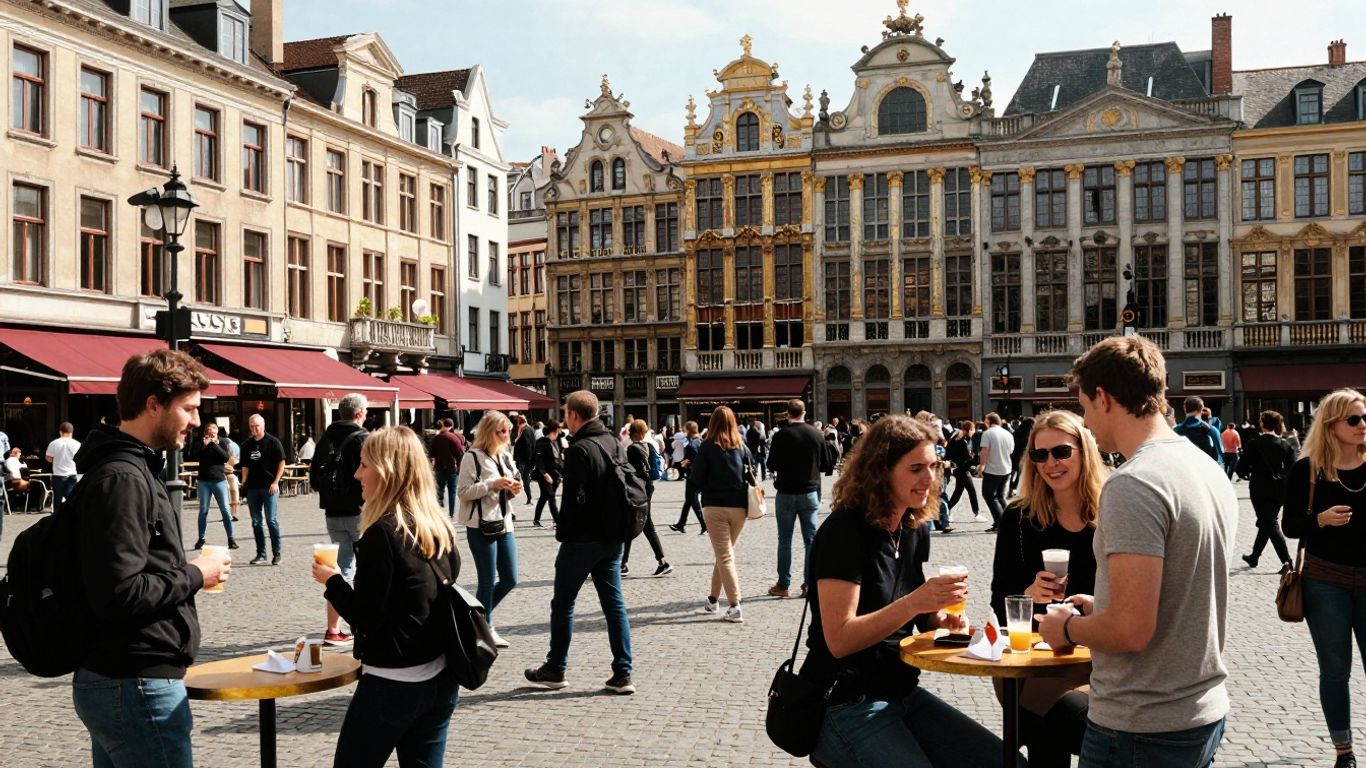
Making friends in a new city like Brussels can feel like a puzzle, especially when you're trying to balance work, life, and just figuring things out. It's not always as simple as just showing up; sometimes it takes a bit of effort and a plan. Many people find that Belgium's local population can be a bit reserved at first, which is totally understandable. They're not unfriendly, just maybe a little cautious until they get to know you. Patience and showing up regularly are key.
Strategies for Making Lasting Friendships
It takes time to move from being an acquaintance to a real friend here. Think of it like tending a garden; you need consistent watering and sunshine. Here are a few ways people have found success:
- Join a Group Activity: This is probably the most common advice, and for good reason. Whether it's a sports club, a book group, or a language exchange, doing something regularly with the same people creates natural bonds. You're all there for a shared interest, which is a great starting point.
- Be Consistent: Showing up week after week to your chosen activity really matters. It shows you're committed and interested in being part of the community, not just a fly-by-night visitor.
- Initiate: Don't wait for others to invite you. Suggest grabbing a coffee after your class, or ask someone about their weekend. Small gestures can go a long way.
- Learn a Bit of the Local Language: Even if everyone speaks English, making an effort in French or Dutch shows respect and can open doors to deeper connections.
Participating in Community Activities
Brussels has a lot going on, and getting involved is a fantastic way to meet people who share your interests. Think about what you enjoy. Are you into art? There are workshops and gallery openings. Love food? Cooking classes or wine tasting groups are popular. Sports are huge, too, from cycling clubs to amateur soccer leagues. Volunteering is another excellent avenue; helping out at local events or with charities connects you with like-minded, community-oriented individuals.
Belgium has a high number of expats, but locals can be a bit reserved initially. Building friendships often requires consistent effort and shared experiences over time. It's less about grand gestures and more about showing up, being present, and finding common ground through shared activities and interests.
Utilizing Online Platforms for Networking
While face-to-face interaction is super important, online tools can be a great starting point. Websites like Meetup are excellent for finding groups based on almost any hobby imaginable, from board games to hiking. InterNations is specifically geared towards expats looking to connect. Even local Facebook groups can be a goldmine for finding events, conversation partners, or people looking to start a new activity. Just remember to take those online connections offline and meet up in person to really build those friendships.
Workplace Culture and Professional Integration
Getting a handle on the work environment in Brussels can feel like a puzzle, especially when you're used to different ways of doing things. It's not just about the job itself, but how people interact, make decisions, and balance their time. Understanding these unwritten rules is key to feeling comfortable and productive.
Understanding Hierarchies Across Regions
Belgium's work culture isn't a one-size-fits-all situation. Things can shift depending on where you are. In Flanders, for instance, workplaces often feel more open, with a flatter structure. Managers tend to listen more, and decisions are often made together. It's more about competence than just being the boss.
Over in Wallonia, it can be a bit more traditional. The boss's role might be more formal, and titles can carry a bit more weight. But don't get me wrong, teamwork is still important. Brussels itself is a mix, with international organizations and local businesses all bringing their own styles. You'll find a blend of these approaches depending on the specific company or sector you're in.
Effective Communication in Meetings
Belgian meetings often have a different rhythm than what you might expect. Things move at a more considered pace. Big decisions usually come after a good amount of discussion, involving different people and departments. The goal is often to find a compromise that works for everyone, rather than rushing to a conclusion.
When you're in a meeting:
- Be on time, maybe even a few minutes early. Punctuality is respected.
- Try to follow the agenda that's usually set out.
- It's common to start with a bit of casual chat – talking about the weekend, the weather, or a recent sports game.
- When you make your points, back them up with facts and clear reasoning. Emotional arguments or strong opinions without evidence don't usually go over as well.
Belgians tend to value a logical and calm approach in professional discussions. Presenting your case with data and clear thinking is generally more persuasive than relying on strong emotions or assertive tactics.
Work-Life Balance Considerations
Work-life balance is a pretty big deal here. Most people work around 38 to 40 hours a week, and the standard office hours are usually respected. There's a strong appreciation for personal time, and this is reflected in the generous amount of paid vacation days – at least 20 days a year, plus public holidays. It's not uncommon for people to have even more time off depending on their contract or how long they've been with the company.
Calling a colleague outside of work hours for work-related matters is generally frowned upon. There are even laws in place to protect your right to disconnect, meaning you're not expected to be available 24/7. While some workplaces might have social events, they aren't always a daily or weekly thing, and forming close friendships with colleagues isn't always the norm. Many people find it easier to build their social circle through activities outside of work, like sports clubs, hobby groups, or community associations.
Cultural Nuances and Daily Life
Navigating Belgian Communication Styles
Belgians tend to be reserved when you first meet them. Don't expect to dive into deep personal conversations right away; they usually keep things more private until they know you better. This can sometimes make them seem a bit distant to newcomers, but it's just their way. When they do disagree, they tend to be direct but calm. A 'no' really means 'no,' and they prefer to settle things with logical arguments rather than getting loud. It’s a bit different from some other places where people might say 'yes' to be polite but mean 'no.'
When you're chatting, stick to safe topics like food (think waffles, chocolate, and local beers), sports (especially soccer and cycling), or cultural events. It's best to steer clear of politics, especially the regional tensions, and personal finances. Also, avoid making jokes based on stereotypes; they usually don't land well.
Punctuality is a big deal here. Whether it's a work meeting or a dinner with friends, being on time is seen as a sign of respect. If you're running late, a quick message or call is always appreciated. Spontaneous visits aren't really the norm either; most people prefer to plan get-togethers in advance, sometimes weeks ahead.
Understanding Tipping and Customer Service
In Belgium, tipping isn't as automatic as in some other countries. Service charges are usually included in the bill at restaurants and cafes, so you don't have to leave extra. However, if you received great service and want to show your appreciation, rounding up the bill or leaving a small amount (like 5-10%) is perfectly fine and always welcome. It’s more about acknowledging good service than a strict requirement.
Customer service itself is generally polite and efficient. Staff are usually professional and helpful, but don't expect overly effusive greetings or constant attention. They'll be there when you need them, but they also respect your space. It’s a more understated approach compared to some cultures.
Appreciating Local Holidays and Traditions
Belgium has a rich calendar of holidays and traditions that are worth experiencing. Beyond the major religious holidays like Christmas and Easter, there are national celebrations and regional festivals throughout the year. For instance, the National Day on July 21st is a big event, with parades and fireworks in many cities. Many towns also have their own patron saint days or local festivals that offer a glimpse into community life.
- Carnival celebrations: Especially in places like Binche, the pre-Lenten carnivals are vibrant and unique, featuring parades, costumes, and traditional music.
- Local food festivals: Throughout the year, you'll find festivals dedicated to specific foods or drinks, like the chocolate festivals or beer celebrations.
- Christmas markets: As winter approaches, cities transform with festive markets, offering crafts, food, and a cozy atmosphere.
Getting to know these traditions can really help you feel more connected to the local culture and provide fun opportunities to explore.
Cost of Living and Regional Variations
So, you're thinking about settling down in Brussels, huh? It's a great city, but like anywhere, you've got to get a handle on the money side of things. Belgium, as a whole, isn't exactly the cheapest place in Europe, but it's generally less pricey than some other big European capitals. What's interesting, though, is how much things can differ depending on where you are. Brussels tends to be a bit more expensive than other regions, especially when it comes to rent.
Budgeting for Daily Expenses
When you're just trying to get by day-to-day, you'll notice some differences. Brussels can feel a bit pricier than, say, a smaller town in Wallonia or Flanders. Think about your groceries, going out, and just general life stuff. It all adds up, and it's good to have a rough idea of what you're getting into.
Here's a general idea of what people spend monthly, not including rent, just to give you a ballpark figure:
| Region | Average Monthly Spending (per person, excl. rent) |
|---|---|
| Flanders | ~€1,692 |
| Wallonia | ~€1,628 |
| Brussels | ~€1,738 |
Understanding Housing Costs in Brussels
Housing is a big one, no doubt about it. Rent in Brussels is noticeably higher than in other parts of the country. If you're dreaming of a city-center apartment, be prepared for a higher price tag compared to living in a smaller town. The rental market here is pretty regulated, with common lease agreements like the "3-6-9" system. It offers good tenant protection, which is a plus, but it also means you need to be on top of the paperwork, like registering your lease and getting a proper inventory of the property condition.
| Region | Average Monthly Rent (all dwellings) |
|---|---|
| Flanders | ~€853 |
| Wallonia | ~€779 |
| Brussels | ~€1,188 |
Utilities like heating, electricity, and water can also be quite high, so keep that in mind when you're looking at your monthly bills.
Adopting Local Cost-Saving Habits
Don't worry, though, there are plenty of ways to make your money stretch further. Lots of people here shop at discount supermarkets like Lidl or Aldi, which can save you a good chunk of change. Hitting up the weekly markets is also a popular way to get fresh produce, often at better prices. For lunch, look for the 'plat du jour' – it's usually a good deal. And if you can, make use of public transport or a bike; it's way cheaper than owning and running a car in the city. You'll also find plenty of second-hand shops, known locally as 'De Kringwinkel', where you can find all sorts of treasures for less. It's all about finding those smart ways to live that fit the local rhythm. Understanding these regional differences is key to a successful integration, so it's worth looking into cost of living in Belgium before you make the move.
Belgium has a healthcare system where you often pay upfront for services, and then your health insurance fund, along with any private complementary insurance you might have, reimburses you. There are annual caps based on your income that limit how much you personally have to pay out-of-pocket for medical costs. Many people opt for extra private insurance to cover things like private hospital rooms or more extensive dental and vision care.
Wrapping Up Your Brussels Adventure
So, that’s a look at some of the ways to connect and get involved in Brussels. Whether you're looking to pick up a new skill at a place like EPFC, join a sports club, or just find a good conversation group, there are plenty of avenues. It might take a little effort to break the ice, and things here can sometimes feel a bit different from what you're used to, but putting yourself out there usually pays off. Keep exploring, stay open, and you'll likely find your rhythm in the city.
Frequently Asked Questions
What are social promotions in Brussels, and how do I access them?
Social promotions are basically ways to get help and opportunities in Brussels, like special programs or services. To access them, you usually need to register with your local town hall. This helps officials know you live there and can then connect you with things like healthcare, schools, and other social benefits. It's a key step for anyone new to the area.
How can I learn French or Dutch in Brussels?
Learning the local languages is a great way to connect! You can sign up for affordable language classes at places like EPFC (for French) or The House of Dutch. Many people who have moved to Belgium use these schools, and they're often geared towards helping international students.
What's the best way to make friends in Belgium?
Making friends in Belgium might take a little time because people can be a bit reserved at first. The trick is to be patient and show up regularly. Joining clubs, sports groups, or workshops based on your hobbies is a fantastic way to meet people who share your interests. Online platforms like Meetup or InterNations can also help you find groups and activities.
How does the workplace culture differ in Belgium?
Workplace culture can vary a bit, especially between Flanders and Wallonia. In Flanders, things tend to be more equal, with bosses often asking for opinions. In Wallonia, it might be a bit more formal with bosses having a clearer leadership role. Brussels mixes these styles. Belgians also tend to take their time with decisions, preferring discussions and compromise over quick choices.
Are there specific customs I should know about regarding tipping or customer service?
Customer service in Belgium is usually efficient but not overly enthusiastic, which isn't meant to be rude. Tipping isn't required because service is usually included, but you can round up the bill or leave a small amount if you're happy. For example, a few extra euros at a cafe or 5-10% for great restaurant service is appreciated.
How does the cost of living in Brussels compare to other areas?
Belgium, and Brussels in particular, can be more expensive than some other places in Europe, but often less than major world capitals. Housing in Brussels is generally pricier than in the Flanders or Wallonia regions. To save money, locals often shop at discount stores, visit weekly markets, take advantage of public transport, and use bikes.